Two new stick insect species emerge from Queensland forests
The two new species are in the same genus and are both winged and more than 10cm long.
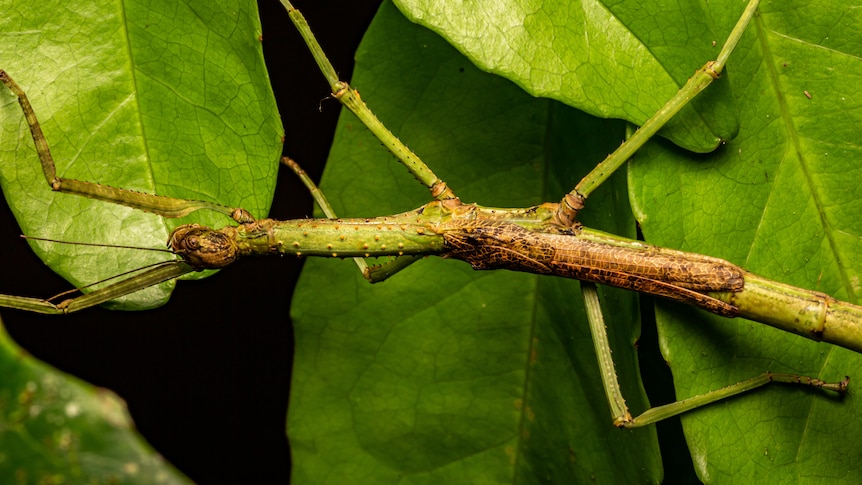
Researchers at the University of Sydney have discovered two new species of large stick insects in Australia, bringing the total number of recognized species to five. The findings reveal that two previously identified species are actually distinct, and one that had been overlooked for decades. The most significant discovery involves a large stick insect that was misidentified for years and is now recognized as Anchiale robusta.
Another new species, Anchiale mabiensis, was found in Queensland's critically endangered Mabi rainforest on the Atherton Tablelands. Its eggs contain a unique structural lid unlike any previously seen in stick insects or their close relatives. The study also clarified that a stick insect species notorious for forming large populations that can defoliate trees actually comprises multiple species, which will aid in better managing forestry and agricultural impacts.
Lead researcher Dr. Braxton Jones emphasized that despite extensive study and citizen science observations, Australia is still uncovering new insect species, underscoring the need to protect threatened ecosystems and document the country's biodiversity before losing species without discovery.
Written by urgent.news from Phys.org's reporting — not their text. Machine-written — may contain errors; check the original before relying on it.
This story
This is one outlet's version. Read the fullest account.