Tiny endangered black robin wins New Zealand’s Bird of the Year
WELLINGTON, Sept 21 — A record number of New Zealanders turned out at the polls this month, not for national elect...
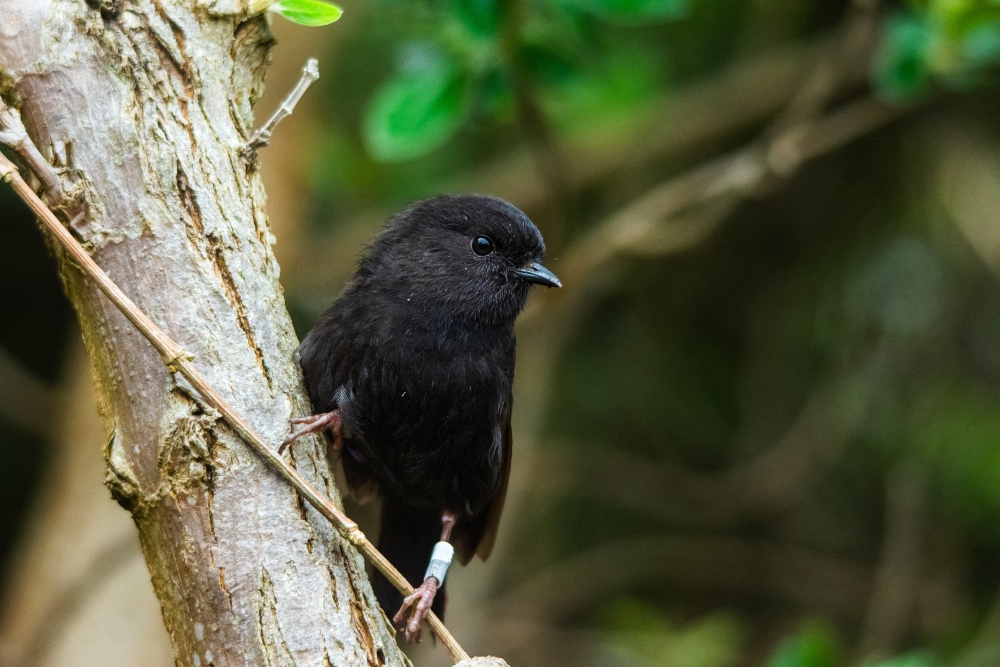
Wellington, September 21 - More New Zealanders than ever participated in the 2023 Bird of the Year vote, casting their support for the critically endangered black robin, a tiny native bird residing on the Chatham Islands, located 800 kilometers off the country's east coast. In 1980, there were only five black robins left, including a single breeding female.
Today, the population has grown to approximately 350. This year's winner outpaced the iconic flightless parrot, the kakapo, and the native karearea falcon, securing the top spot. The annual Bird of the Year competition, organized by the independent conservation organization Forest and Bird, has been a subject of controversy in recent years.
In 2019, accusations of Russian interference arose when hundreds of votes were traced to IP addresses in that country, though Forest and Bird maintained that most of those votes were legitimate and did not impact the black robin's victory. In 2023, the puteketeke, or lake dweller, secured the title after receiving the endorsement of comedian John Oliver.
Forest and Bird spokesperson Rebecca Hatch attributed this year's surge in participation to genuine enthusiasm for nature conservation, with roughly one in every 50 Kiwis casting a ballot. The black robin received more than 26,000 votes, leading the contest by a significant margin. The Chatham Islands Landscape Restoration Trust spearheaded the campaign for the black robin and is working to establish an additional habitat to bolster the species' population and biodiversity.
Written by urgent.news from Malay Mail's reporting — not their text. Machine-written — may contain errors; check the original before relying on it.