Textile Stocks Fall Up To 4% As US Russia Sanctions Law Raises Tariff Concerns For Indian Exporters
Shares of several textile companies declined on September 21 after US President Donald Trump signed the Lindsey O Graham Sanctioning Russia and Iran Act of 2026 into law, raising concerns over potential trade implications for countries purchasing Russian crude oil and natural gas. Gokaldas Exports shares fell 4.3% to Rs 696.5, while Vardhman Textiles and Arvind declined 3% and 2%, respectively.…
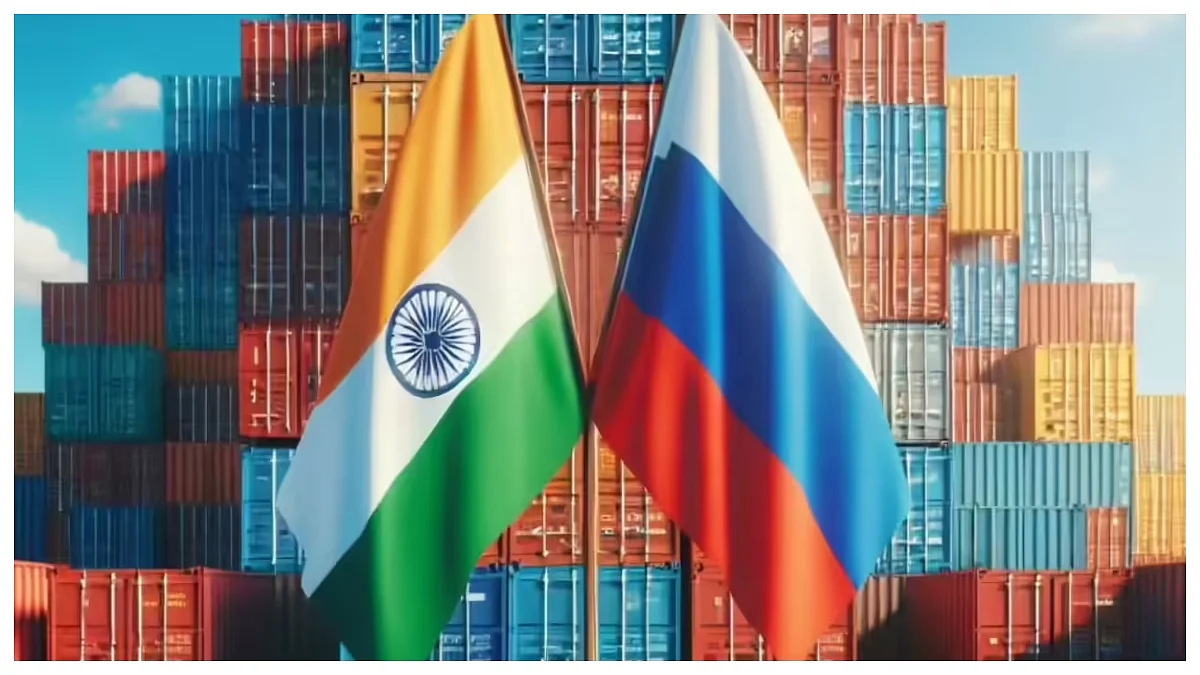
On September 21, textile stocks experienced a decline as high as 4% following the signing of the Lindsey Graham Sanctioning Russia and Iran Act of 2026 by US President Donald Trump. The legislation raises concerns about potential trade implications for countries, including India, that purchase Russian crude oil and natural gas. Shares of Gokaldas Exports dropped 4.3% to Rs 696.5, while Vardhman Textiles and Arvind experienced declines of 3% and 2%, respectively.
Other affected companies included Garware Tech Fibre and Indo Count Industries, which saw losses of 2.5% and 1.6%, respectively.
The act grants Washington the authority to impose tariffs of up to 100% on nations that continue to buy Russian energy, although the law does not automatically apply the highest tariff level upon enactment. The tariff powers create uncertainty for exporters, as the White House maintains flexibility to adjust, delay, or waive tariffs based on economic and strategic factors.
The legislation includes a national-interest provision that permits tariff suspension if enforcement is deemed detrimental to US economic interests or strategic partnerships. Additionally, tariff levels can be modified depending on whether countries take significant steps to alter their energy trade patterns.
The possible 100% tariff on Indian goods could pose challenges for both countries. Higher duties on consumer imports may increase costs for US buyers and contribute to inflationary pressures. India and the US are currently negotiating a broader bilateral trade agreement, and the tariff provisions may serve as a negotiating tool rather than immediately resulting in additional duties on Indian exports.
However, these restrictions raise concerns about global energy markets, as limiting India's access to Russian crude could affect refined fuel supplies in international markets, particularly in Europe and Asia. Market participants are closely monitoring the US administration's implementation of the new law and the potential impact on India's trade and energy ties with Russia.
Written by urgent.news from Free Press Journal's reporting — not their text. Machine-written — may contain errors; check the original before relying on it.