Tech leads shares higher in Asia, oil eases
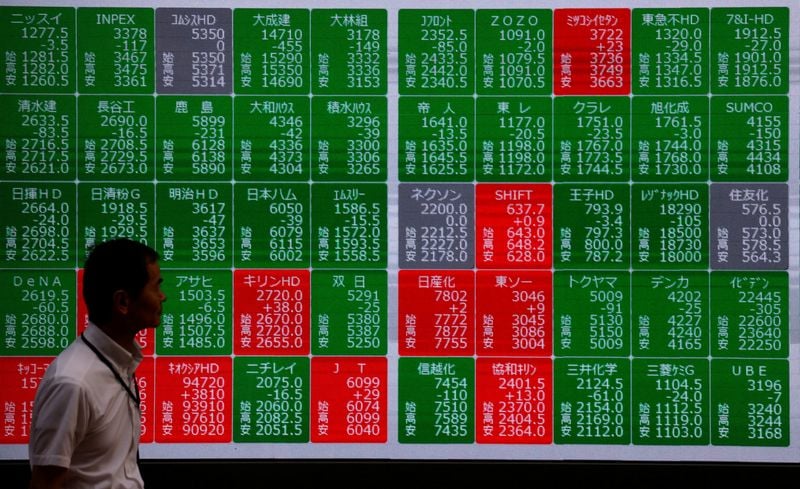
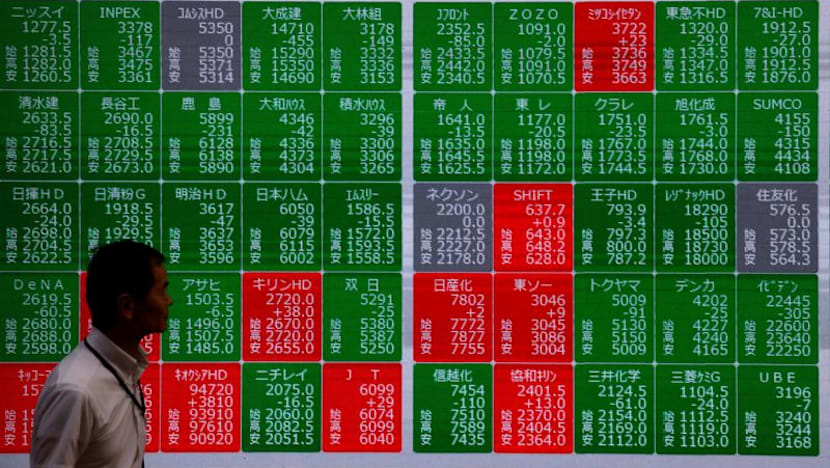
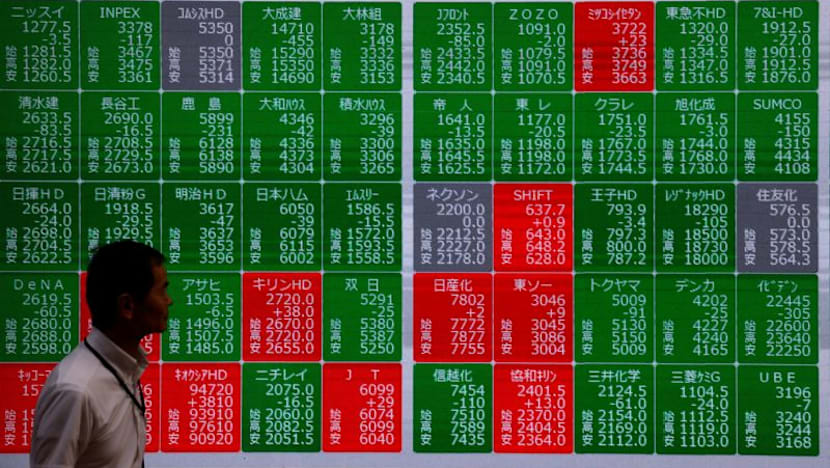
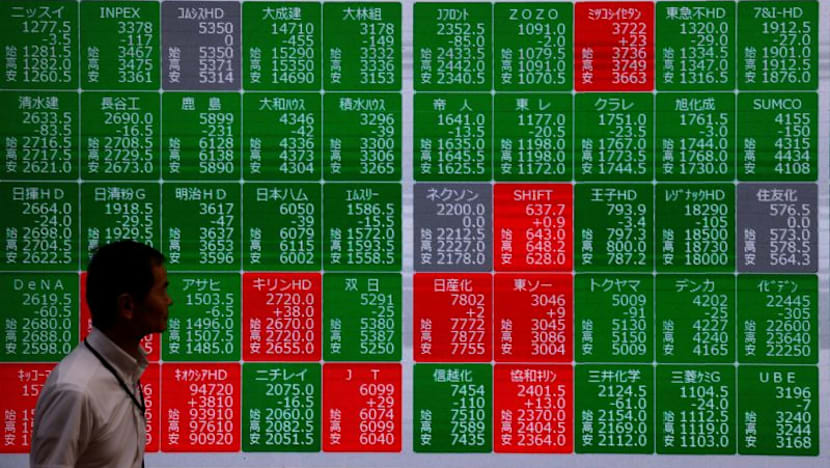
Asian share markets saw a modest rise on Monday as the demand for chips due to artificial intelligence drove up prices for chipmakers. Meanwhile, oil prices eased as hopes of increased supplies from Saudi Arabia offset concerns following a Houthi attack on Riyadh. Trading activity was limited, with Japan on its Silver Week holiday, leaving the dollar stable at 157.00 yen.
The yen appreciated after Japanese authorities conducted rate checks, while Japan's Nikkei futures rose 0.5% and South Korea's tech-heavy index gained 1.1%. MSCI's Asia-Pacific index outside Japan increased by 0.3%, and S&P 500 and Nasdaq futures both rose by 0.3% and 0.4%, respectively. In Europe, EUROSTOXX 50 and DAX futures climbed 0.2%, while FTSE futures remained unchanged.
Bond markets remained nervous after a sharp sell-off led US 2-year yields to soar to 4.7604% in the last two weeks, nearing levels last seen in mid-2024. Analysts at BofA noted that the Federal Reserve's hawkish stance last week has led to a 56% chance of another rate hike in October, with a year-end increase considered likely. The Fed's tightening cycle has usually started with multiple rate hikes, and it rarely stops after the first one.
With nominal consumer spending up 6.3% year-on-year, well above the 5% level historically associated with high core inflation, the Fed has little choice but to curb demand. Consequently, they are maintaining their view that only two more rate hikes are necessary, in October and December. Central banks across the EU, UK, Japan, Australia, and New Zealand are expected to tighten monetary policy further by the end of the year.
The Swiss National Bank, Sweden’s Riksbank, and Norges Bank are scheduled to meet on Thursday, but all seem set to stick with the current stance for now. Bond markets have also been influenced by concerns over budget deficits, with the risk premium on French debt surging to its highest level since the euro zone debt crisis. German debt may face pressure later on Monday following the conservative party of Chancellor Friedrich Merz's defeat in the recent election, which marked its worst performance since 1949.
The euro held steady at $1.1477, having dropped almost 1% last week as the dollar gained broadly. Oil prices remained above $100 as Iran and the United States exchanged further threats following the Houthis' attack on Riyadh. Brent crude was down 0.2% at $103.68 a barrel, while US crude slipped 0.3% to $100.02. Reports suggested that Saudi Arabia planned to restart oil flows via its main east-to-west pipeline soon after it was damaged in the Houthi assaults last week, though specifics were unclear.
The shutdown of the East-West pipeline has significantly impacted the oil market, according to Vivek Dhar, head of commodities at CBA. He estimated that global oil and refined product inventories could run out in 5 to 10 weeks, compared to the previous estimate of 15 to 20 weeks. This would heighten pressure on Washington to reach an agreement with Iran, at least to resume some flows through the Strait of Hormuz and keep the Bab el-Mandeb passage open.
US President Donald Trump is set to attend the United Nations General Assembly this week, followed by a meeting with Chinese President Xi Jinping on Thursday. In other commodity markets, gold prices fell 0.2% to $4,370 an ounce due to rising yields, which hinder non-interest-paying gold.
Written by urgent.news from Investing.com's reporting — not their text. Machine-written — may contain errors; check the original before relying on it.
This story
This is one outlet's version. Read the fullest account.
- Tech leads shares higher in Asia, oil eases freemalaysiatoday.com
- Tech leads shares higher in Asia, oil eases channelnewsasia.com
- Tech leads shares higher in Asia, oil eases nst.com.my
- Asia FX muted with U.S.-China summit in focus, dollar ticks higher investing.com