Taking a single photograph used to take several minutes or even hours… By accident, this Englishman discovered a solution that created a photograph in a minute or less
On this day in history, one of photography’s early pioneers discovered an essential step in analog photography that allowed photographs to be taken in seconds, rather than minutes
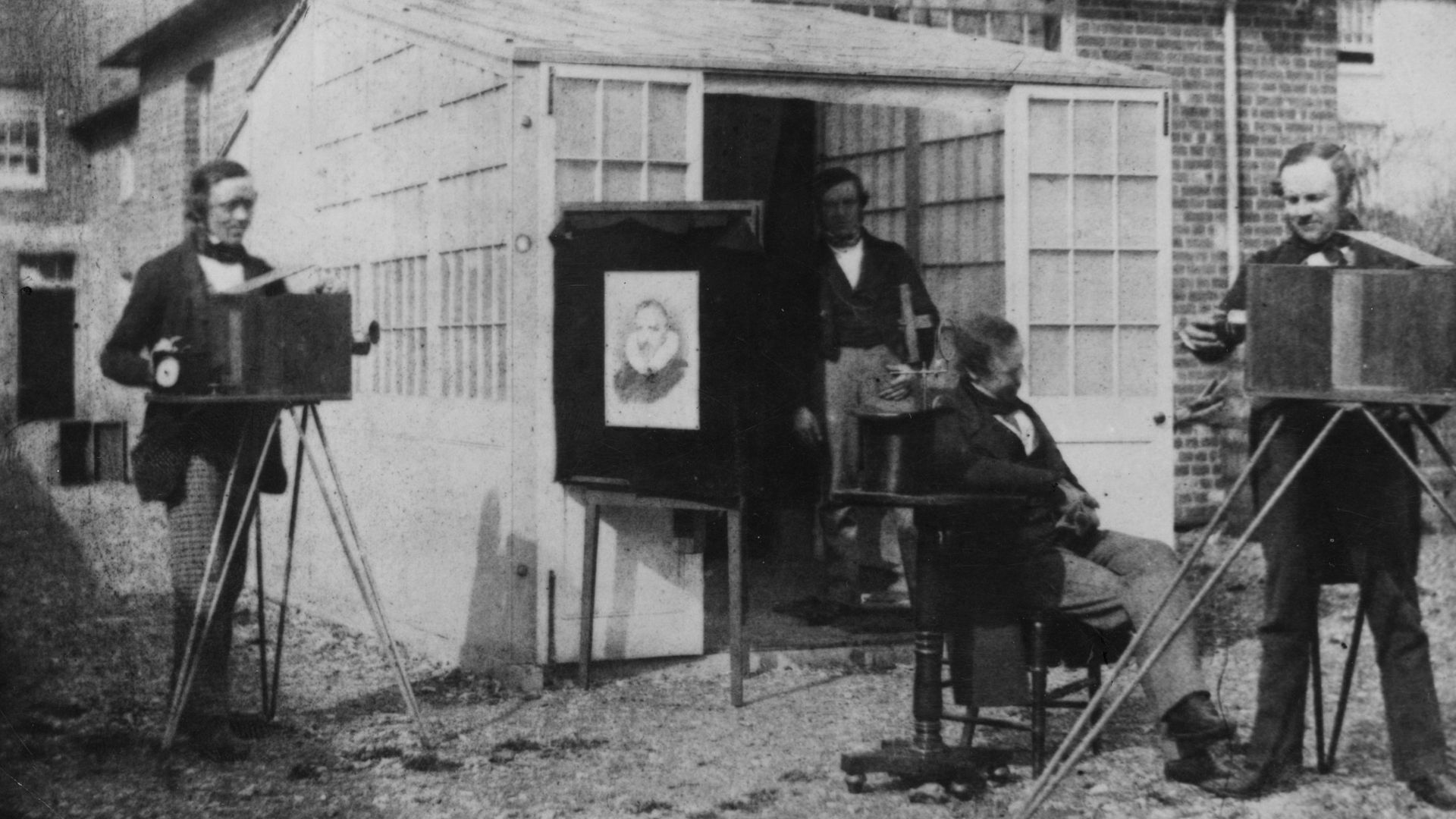
For centuries, capturing a single photograph required an eternity of time, from 15 minutes up to several hours. However, in 1840, English chemist William Henry Fox Talbot made a groundbreaking discovery that revolutionized photography. Talbot, one of the early pioneers of photography, had already been experimenting with light-sensitive paper using a salt and silver nitrate solution since the mid-1830s.
Although Talbot's early work, known as photogenic drawings, lacked the sharpness of Louis Daguerre's silver plates, he continued refining his process.
Talbot's breakthrough came when he discovered that a brief exposure to light followed by treatment with a gallic acid solution created a visible image on the paper. This accidental realization drastically reduced the photo-taking time from minutes to mere seconds. Talbot referred to this crucial step as the "exciting liquid." While contemporary photography no longer uses gallic acid, the developer used in film development today has its roots in Talbot's discovery.
Talbot's initial photographs, created using his calotype process, were delicate and faded quickly. In response, Sir John Herschel suggested the use of a hyposulfite solution to prevent further light sensitivity. This addition to the development process introduced the concept of a fixer, which remains a fundamental aspect of film photography. Talbot named his paper-based photographic process the calotype and patented it in February 1841.
While the calotype process did not yield as sharp images as daguerreotypes, its shorter exposure time made it possible to photograph subjects that were unable to remain still for the three to fifteen minutes required by daguerreotypes. The calotype introduced three essential concepts that continue to underpin film photography: developing, fixing, and printing or reproducing from negatives.
However, despite its advantages, the daguerreotype remained more popular due to its superior sharpness and lack of licensing fees for its use.
Written by urgent.news from Digital Camera World's reporting — not their text. Machine-written — may contain errors; check the original before relying on it.