Southeast Asia supports multilateralism, wary of US or China leadership: survey
Southeast Asia remains comparatively confident in international cooperation even as scepticism grows over whether the United States or China should take a leading global role, a new survey has found. Analysts said the findings reflected a long-standing regional preference for keeping strategic options open, particularly among smaller and middle powers wary of an international order dominated by…
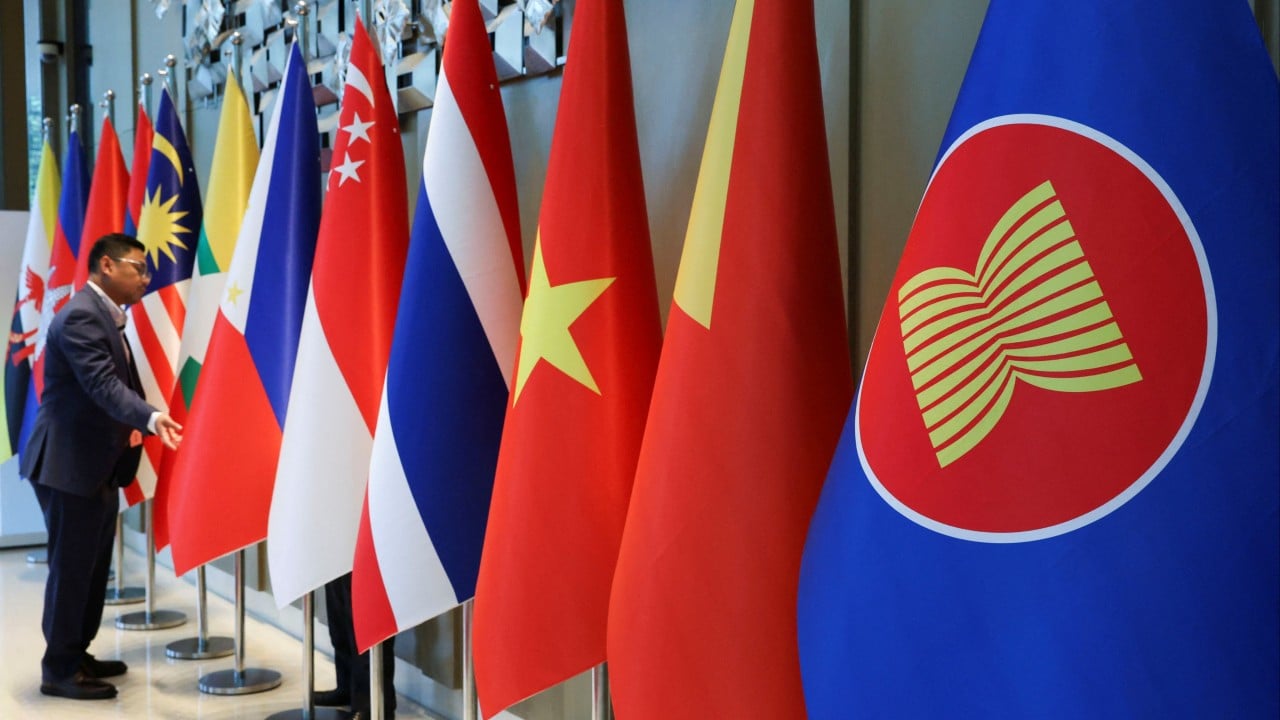
Southeast Asian nations remain optimistic about multilateral cooperation, despite growing doubts about which superpower should lead the global stage, according to a recent survey. The Rockefeller Foundation's "Seeking Security and Opportunity in a Stormy World" surveyed over 35,000 people across 34 countries, including Indonesia, the Philippines, and Singapore.
Southeast Asia scored highest in perceived effectiveness of global cooperation, with 63% positive sentiment, compared to 37% for the US and Canada, 32% for Oceania, and 31% for western Europe.
However, the survey revealed limited enthusiasm for either the US or China taking a leading role globally. Only 39% and 37% of respondents were comfortable with the US and China respectively assuming that role, while 61% favored countries working together to address global issues without either superpower leading. Senior fellow Alejandro Reyes of the Centre on Contemporary China and the World at the University of Hong Kong noted a "more fragmented global order," with both nations acknowledged as powerful players but not as natural or dominant leaders.
Joanne Lin, a senior fellow and coordinator of the Asean Studies Centre at ISEAS-Yusof Ishak Institute, explained that while both the US and China remain influential, their dominance is not always welcomed. She added that these countries' economic and military weight can limit choices for smaller states, creating unease about an international order where "might makes right."
Charmaine Misalucha-Willoughby, an international relations professor at De La Salle University in Manila, noted that this inclination towards multilateralism aligns with the structural position of smaller and middle powers, who prefer cooperation and norms like territorial integrity.
The US-China divide was evident in the country-level results, with Indonesians more likely to view the US as a threat (73%) than China (31%), while Filipinos and Singaporeans had a nearly reversed pattern. This preference for strategic space led to a more nuanced regional view of the superpowers, with several countries balancing relationships with both nations on different issues.
Lin emphasized that these differences reflected national concerns, including Jakarta's apprehensions over US policies and Manila's territorial disputes in the South China Sea. Singapore maintained close security ties with the US while keeping substantial economic connections with China.
Written by urgent.news from South China Morning Post's reporting — not their text. Machine-written — may contain errors; check the original before relying on it.