South Korea steps up to plug Europe’s jet fuel deficit
Europe faces a fourth-quarter jet fuel deficit, even as it turns to far-flung suppliers including South Korea, which is set to boost its jet exports to Europe to a four-year high in September, according to analysts and shipping data. The continent has been importing more jet fuel from nations including Nigeria, the United States and Canada since the outbreak of the Iran war over half a year ago,…
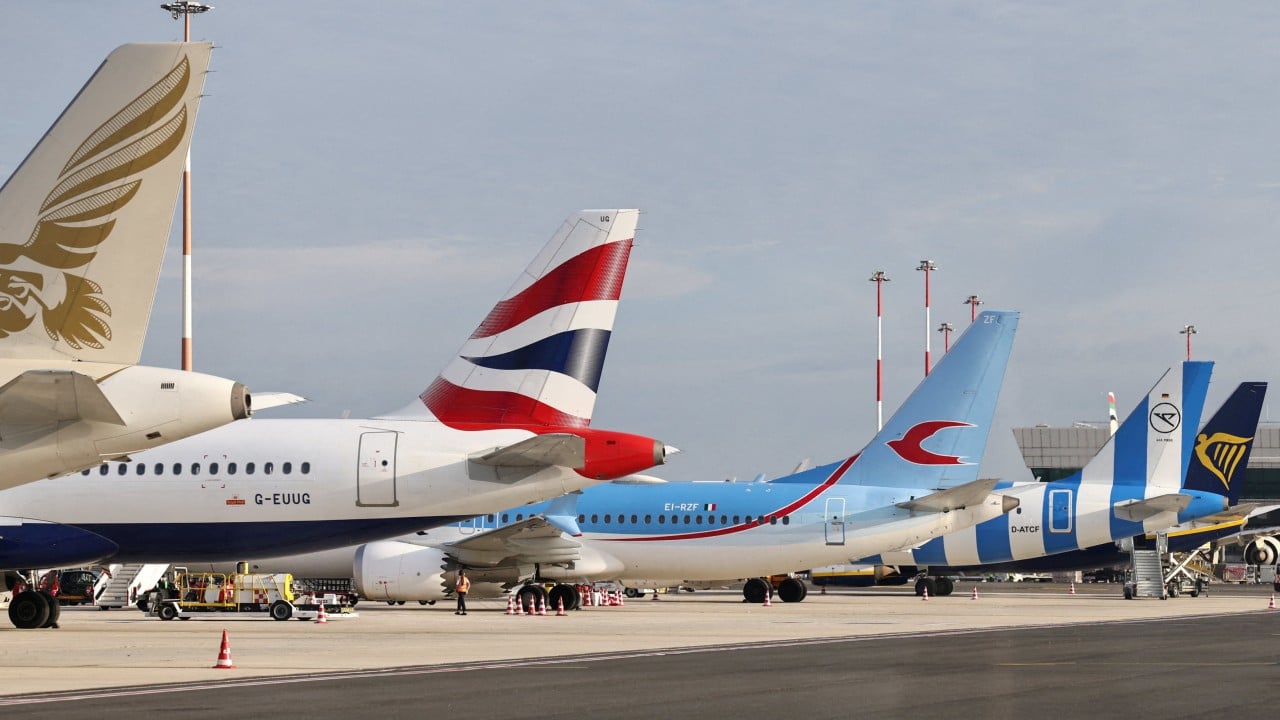
Europe is experiencing a fourth-quarter jet fuel deficit, despite diversifying its sources of supply, including South Korea. The European Union has been importing more jet fuel from countries like Nigeria, the United States, and Canada since the start of the Iran conflict, which disrupted Middle Eastern supplies and cut off about half of Europe's jet imports. Analysts predict Europe will face a 510,000 barrel per day shortfall in September, the highest since October 2022.
South Korea is set to increase its jet fuel exports to Europe to a four-year high in September, according to analysts and shipping data. In September, European imports of jet fuel from South Korea stand at 129,000 barrels per day, the highest level since October 2022. The widening price gap between Asian and European diesel has made it more profitable to export barrels into Europe, as noted by James Noel-Beswick, head of commodities at Sparta Commodities.
Jet fuel, a type of middle distillate, is also helping the profitability of exports to Europe, as the difference between Asian and European benchmarks has widened. Low inventories in the Amsterdam-Rotterdam-Antwerp oil refining and storage hub, which hit their lowest in seven years in the week to September 10, have also contributed to the increased imports from South Korea.
South Korea's jet fuel output for July hit a seven-year high of nearly 13.89 million barrels, while exports reached a 3.5-year peak. This rise in output is attributed to an increase in refinery crude processing rates, with traders expecting crude runs for August to be stronger than July. July refining runs were recorded at 2.7 million barrels per day, a 16% increase from June.
Written by urgent.news from South China Morning Post's reporting — not their text. Machine-written — may contain errors; check the original before relying on it.