Singapore's solar investments saved $97M in fossil fuel costs
Singapore's investments in solar energy saved an estimated US$97 million in power-related fossil fuel import costs over five months earlier in 2026, as energy prices surged amid the crisis in the Strait of Hormuz, according to a recent report.
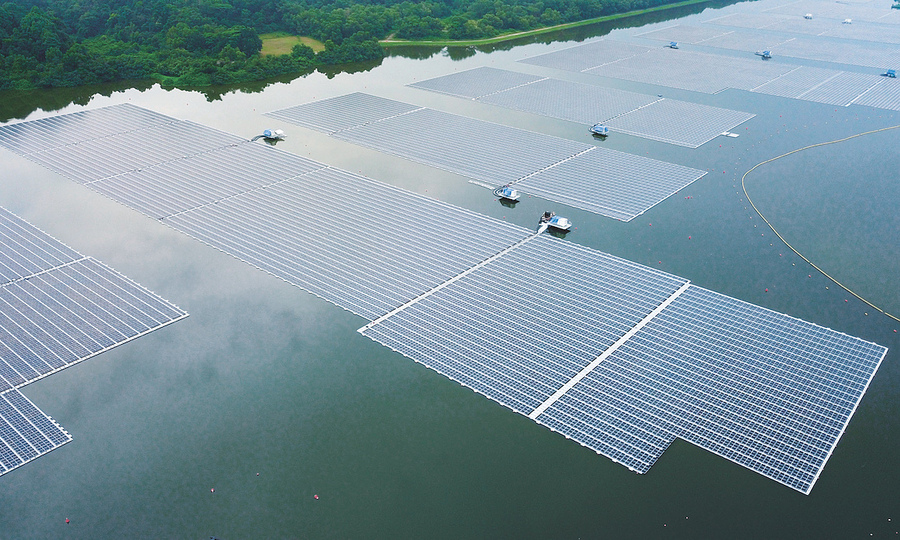
Singapore's solar investments have resulted in $97 million in savings on fossil fuel costs, according to a report by the Centre for Research on Energy and Clean Air (CREA). The majority of these savings came from avoiding the need to import gas, as solar energy has become an increasingly viable source of electricity for the country.
However, Singapore's reliance on fossil fuels still led to an additional $8.1 billion in gross fossil fuel costs during the six months following the U.S.-Iran war. Isaac Levi, CREA's Europe-Russia policy and energy analysis team lead, explained that China, India, and the U.S. faced the largest financial burdens. The country's electricity generation is primarily dependent on imported natural gas, with prices surging due to the conflict.
Strikes in the region disrupted shipments through the strategic Strait of Hormuz, a critical maritime chokepoint that carries approximately 20% of the world's oil and liquefied natural gas. In response to the crisis, Singapore has increased its solar deployment target from 2 gigawatt-peak to 3 GWp by 2030, having reached its initial goal in 2025.
Currently, solar energy accounts for only about 2% of Singapore's electricity needs. Fuel prices in the country have been rising, with the price of 95-octane petrol increasing to between $3.48 and $3.49 per liter following a series of increases by Chinese state-owned Sinopec.
Written by urgent.news from VnExpress Business's reporting — not their text. Machine-written — may contain errors; check the original before relying on it.