Shackling prisoners giving birth should be a last resort – but it’s happening around Australia anyway
Senator Lidia Thorpe has introduced a bill to prohibit the practice in Australian prisons that advocates say violates the human rights of both mother and child Get our new political email , free app or daily news podcast “She was pregnant with twins,” Tahlia Isaac says. “She was meant to be released in 10 days, but she went into labour early.” Isaac says officers handcuffed her fellow prisoner in…
A bill introduced by Senator Lidia Thorpe aims to prohibit shackling prisoners who give birth in Australian prisons, a practice that advocates argue violates the human rights of both the mother and the child. Tahlia Isaac, a former prisoner, recounted the traumatic experience of witnessing a fellow inmate handcuffed during labor and delivery, unable to hold her newborn.
Thorpe emphasized that no one giving birth should ever be at risk of running away, considering the act to be violent and terrifying. While some states and territories have laws stating that shackling should only be used as a last resort, critics maintain that it still occurs despite these regulations. Heather Calgaret, a mother of four, gave birth while shackled in Victoria in 2019, leading to her baby's removal and her subsequent death in 2021.
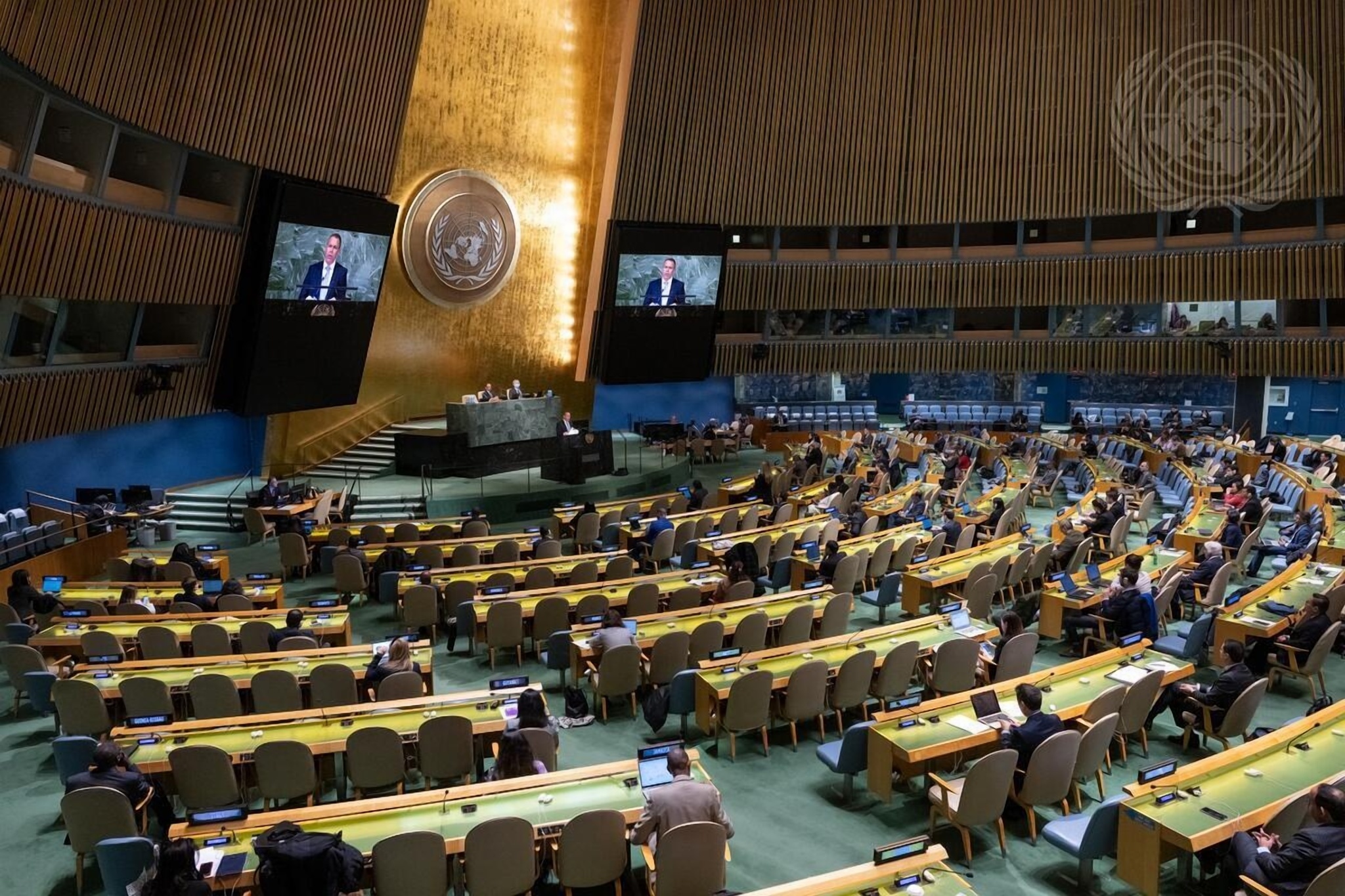
The coroner found that Calgaret's daughter's removal was pivotal to her death. According to the Australian Institute of Health and Welfare, about one in ten Australian prisoners are women, and at least half of them have a history of mental illness or childhood abuse. The UN General Assembly adopted the Bangkok Rules in 2011, which state that prison should be a last resort for pregnant women, with instruments of restraint never to be used during labor, birth, or immediately after birth.
The Australian College of Midwives and the National Justice Project also oppose shackling during childbirth, deeming it an unsafe and unnecessary practice that violates human rights standards.
Written by urgent.news from The Guardian Australia's reporting — not their text. Machine-written — may contain errors; check the original before relying on it.