Saudi Arabia facing Iranian proxies alone as US opts out of strikes - analysis
Targeted by Iraqi militias and pressured by Houthi advances, Riyadh must restore deterrence on two fronts as critical infrastructure comes under renewed threat from Iranian proxies.

On September 11, an Iranian-backed militia mounted an attack on a crucial Saudi East-West pipeline. Simultaneously, the Houthis moved closer to the Bab al-Mandeb Strait. Saudi Arabia has experienced a potential two-sided conflict over the past ten days.
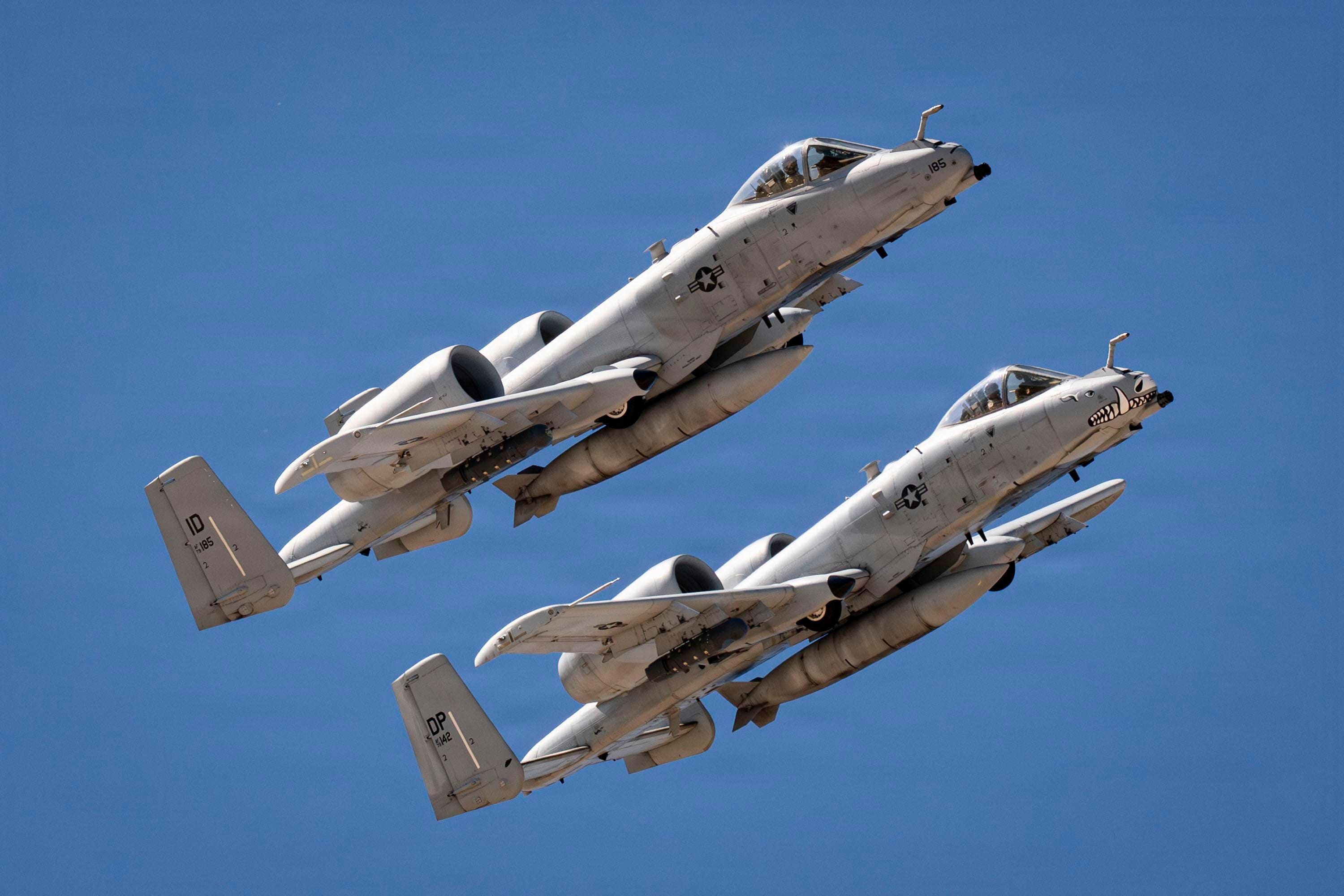
Saudi Arabia has dispatched officials to the UN General Assembly, pondering whether US military support will materialize. The US has announced plans to sell F-35 jets to Saudi Arabia, but these combat aircraft won't reach Riyadh for years, leaving the Kingdom to confront the situation alone.
The Houthis continue their threats, fortifying their captured territories near Bab al-Mandeb and launching attacks on Yemeni and Saudi governments. They have even threatened the holy city of Mecca. Meanwhile, Saudi Arabia's allies, Pakistan and Turkey, seem unwilling to step up their support.
Saudi Arabia fears facing a situation where it must tackle the conflict alone. Reports indicate that the Armed Forces have destroyed several Houthi vehicles during recent clashes. Saudi Foreign Minister Prince Faisal bin Farhan arrived in New York on Saturday to represent the Kingdom at the 81st UN General Assembly session, accompanied by other key officials.
Saudi Arabia also postponed its Red Sea International Film Festival to 2027. The US has long been a partner in Saudi security, supplying billions of dollars worth of weapons and maintaining close ties with American administrations. However, when Crown Prince Mohammed bin Salman reached out to US President Donald Trump for military assistance against the Houthis, the US ultimately declined.
Both times, during the 2015 Yemen conflict and the recent September 11 attack on the East-West pipeline, Saudi Arabia has found itself in a dilemma.
The US has declined to retaliate on Saudi Arabia's behalf, leaving Riyadh to ponder its options. Saudi Arabia's military response has previously halted militia attacks in Iraq for several weeks. The key question for Riyadh at the UN General Assembly is whether it can garner support and collaborate with Washington on the next steps in Yemen. The Houthis appear to be gaining ground, and Saudi Arabia must find a way to prevent a two-front conflict and restore deterrence.
Written by urgent.news from Jerusalem Post's reporting — not their text. Machine-written — may contain errors; check the original before relying on it.
Also reported by 8 other outlets
- President instructs expediting further measures concerning Sivarasa Anojan, sentenced to death in Saudi Arabia island.lk
- Report: UK prepared to support Saudi Arabia against the Houthis israelnationalnews.com
- UN condemns continued Houthi attacks on Saudi Arabia, urges de-escalation english.ajel.sa
- UK to provide Saudi Arabia with 'defensive' military support, says Burnham bbc.co.uk
- UK agrees support for Saudi Arabia in struggle with Houthis freemalaysiatoday.com
- UK agrees to support Saudi Arabia with air-to-air refueling in midst of Houthi attacks jpost.com
- UK to offer Saudi Arabia aerial refueling to counter Houthi attacks winnipegfreepress.com
- UK to offer Saudi Arabia aerial refueling to counter Houthi attacks gulfnews.com