‘Rustout’: Japan’s other workplace problem
Japan must address both burnout and rustout to ensure workplaces use employees' abilities meaningfully rather than merely keeping them busy.
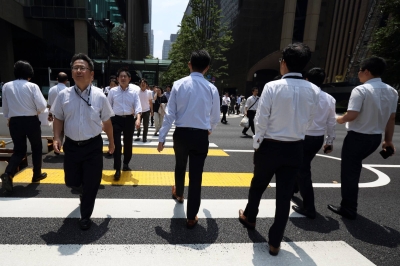
Japan has made significant strides in acknowledging the detrimental effects of burnout in workplaces. Companies, educational institutions, hospitals, and other organizations are now acutely aware of the risks associated with excessive workloads, prolonged hours, persistent stress, and deteriorating mental health. However, one workplace issue that garners considerably less attention is "rustout," a phenomenon that arises when individuals' skills and abilities are consistently underutilized.
Rustout refers to a range of issues such as boredom, disengagement, insufficient challenge, lack of autonomy, and a diminished sense of purpose that can stem from inadequate opportunities to contribute. While not classified as a medical diagnosis, the term encapsulates the adverse outcomes that can occur when employees are not adequately challenged or engaged in their work.
For Japanese organizations genuinely committed to preventing burnout, it is crucial to examine the possibility of rustout among their workforce. By doing so, these organizations can identify employees who may be experiencing stagnant progress, diminished motivation, and a lack of fulfillment due to insufficient engagement and challenge in their roles.
Addressing rustout is an essential complement to efforts aimed at combating burnout, as it ensures that employees are not only protected from excessive work demands but also provided with meaningful and stimulating work experiences that foster growth and job satisfaction.
Written by urgent.news from Japan Times's reporting — not their text. Machine-written — may contain errors; check the original before relying on it.