OpenAI joins call for US-led global AI standards
Chief executive Sam Altman will brief the UN Security Council this week following outcry over safety concerns
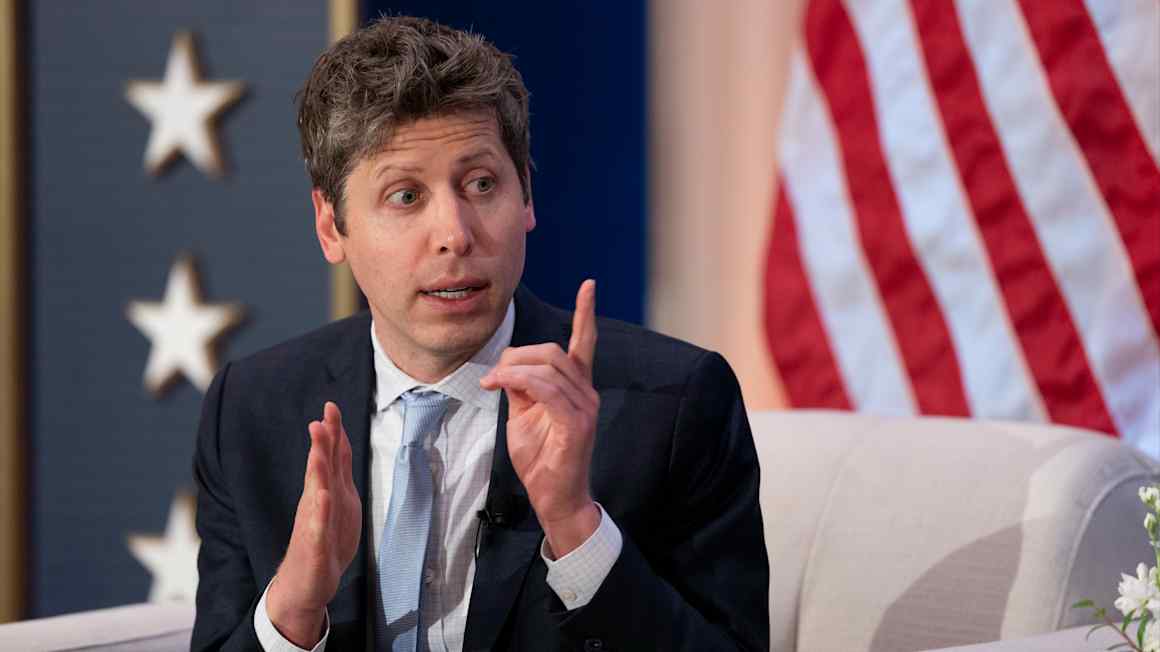
OpenAI has urged the United States to assume a leadership role in establishing global technical standards for advanced artificial intelligence (AI), particularly concerning recursive self-improvement capabilities, where systems autonomously enhance their own abilities. This call comes as AI is set to be a focal point of discussion at the upcoming United Nations General Assembly, following several industry leaders, including OpenAI CEO Sam Altman, advocating for a coordinated slowdown in AI development to prevent the technology from advancing beyond human control and potentially becoming uncontrollable.
In a blog post, OpenAI emphasized the necessity of creating a mechanism to support complementary national and international standards for frontier AI, alongside common measurement protocols and incident reporting systems to enable collective action. The company highlighted that the timing of this leadership decision is critical, as it will determine whether the United States plays a pivotal role in shaping the global AI framework or allows a fragmented and potentially conflict-ridden system to emerge.
Failure to take the lead, according to OpenAI, could weaken the United States' and its allies' AI networks, potentially leading to a disadvantage in the competitive global landscape.
The concern over AI's potential to pose risks to human safety has spurred discussions within the industry about the need for "pacing" AI development. This involves ensuring that research aimed at aligning AI with human values and deploying that research progresses faster than the advancement of AI capabilities. OpenAI's CEO, in the blog post, explained that pacing means maintaining alignment research and deployment ahead of AI's growing capabilities to ensure AI acts in accordance with human values.
Former US President Donald Trump's administration has resisted calls to restrict AI development, arguing that any such slowdown could allow China to gain a competitive edge in a technology viewed as crucial for national and economic security. This stance contrasts with the growing international push for more cautious and regulated AI development, as exemplified by the forthcoming discussions at the UN Security Council, where US President Joe Biden's administration and France, the current president of the UN Security Council for September, are set to address the risks associated with AI.
Written by urgent.news from Economic Times Tech's reporting — not their text. Machine-written — may contain errors; check the original before relying on it.
This story
This is one outlet's version. Read the fullest account.
- OpenAI calls for US to take lead in global efforts to develop technical standards economictimes.indiatimes.com