Oil prices slide on hopes of diplomacy in Iran war
Oil prices slid to their lowest in more than a week on Monday as investors hoped for diplomatic progress on the US-Israeli war on Iran due to this week’s UN meeting and eyed a partial recovery in shipments from Saudi Arabia despite ongoing attacks by Yemen’s Houthis. Brent crude futures and US West Texas Intermediate (WTI) crude touched their lowest since September 10 earlier on Monday. The Brent…
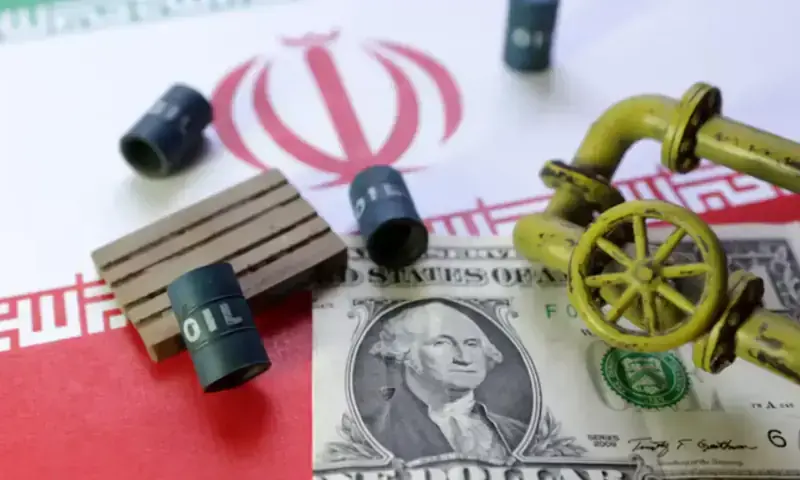
Oil prices plummeted to their lowest in over a week on Monday, as traders anticipated diplomatic progress in the US-Israeli conflict with Iran following the UN assembly this week. Brent crude futures and US West Texas Intermediate (WTI) crude reached their lowest since September 10 earlier on the day. Brent's November contract settled at $102.09 a barrel, a 1.71 percent decrease, while WTI October fell $1.97, a 1.96 percent decline, to $98.33 a barrel.
Analysts suggested that a portion of the risk premium was being removed from oil prices due to hopes for a diplomatic resolution to the US-Iran war. However, the future remains uncertain. WTI breached a crucial psychological barrier at $100 a barrel, prompting some investors to shift their positions from the expiring October contract to the upcoming November contract.
Tensions between Iran and the US intensified over the weekend, with Iran issuing new threats. President Donald Trump expressed willingness to meet Iranian President Masoud Pezeshkian, who is expected to attend the UN General Assembly in New York this week. Iran's security chief, Mohsen Rezaei, indicated that Tehran had conveyed its conditions to mediators for re-engaging in negotiations aimed at ending the conflict.
However, the region remained volatile, with Yemen's Houthis launching missile and drone attacks on sensitive Saudi sites, including Aramco facilities in Riyadh and Yanbu. In response, Iran's Revolutionary Guards warned of potential retaliation with new weapons and previously untargeted locations if the US launched a new offensive.
China urged Iran to assist in containing the Houthis, following Saudi Arabia's appeal for help after the attacks. Despite the disruptions, Middle East oil flows remained strong, averaging 17.1 million barrels per day in the past 10 days, slightly below the 2025 average. Saudi Arabia's oil exports through the Strait of Hormuz increased to an average of 2.9 million barrels per day over the past six days, up from 700,000 bpd in August.
Written by urgent.news from Dawn Business's reporting — not their text. Machine-written — may contain errors; check the original before relying on it.
This story
This is one outlet's version. Read the fullest account.