Nobody Wants to Inherit a Villages Home. Here’s What It Costs the Kids When They Do
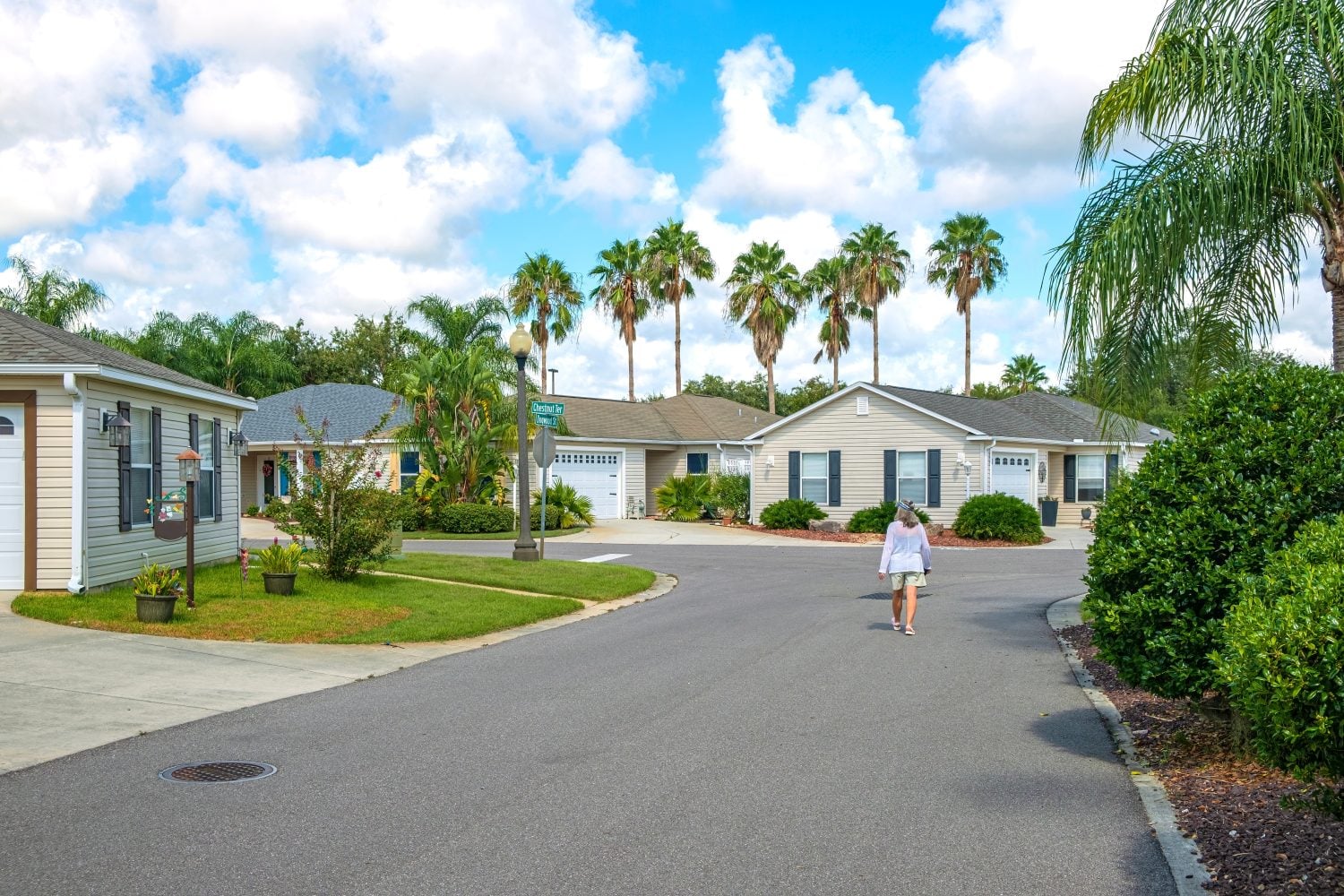
When an heir inherits a home in The Villages, Florida, they face unexpected expenses that many overlook. Due to Florida's Save Our Homes cap removal at death, a property tax bill can double or triple for non-spouse heirs. Federal law forbids anyone under 55 from living in the inherited home, forcing heirs to choose between selling or renting to age-qualified tenants.
For six to twelve months, empty-house costs like reset taxes, amenity fees, bond assessments, and vacant-dwelling insurance accrue before the home can be sold. Two retirees with the same $1 million, following the 4% rule, saw drastically different outcomes: one saw their home's value rise to $1.4 million, while the other stayed at $0 in 12 years.
This discrepancy is due to how the assessed value is calculated after the homestead exemption ends, causing a significant jump in property taxes. Moreover, the district's amenity fee, bond assessment, and vacant-dwelling insurance all adjust with CPI, further increasing costs. Standard HO-3 policies also exclude most losses once a home has been vacant for 30 or 60 days, so heirs must purchase a vacant-dwelling policy that typically costs more.
Utilities, lawn service, pest control, and other maintenance tasks continue until the house is sold, adding to the financial burden of uninterested heirs. When deciding whether to sell or rent the inherited home, heirs must consider their income gap after accounting for guaranteed income sources like Social Security and pensions.
The free estate guide, "The 4% Rule Is Broken," provides a detailed breakdown of how to set up a home's inheritance to minimize empty-house costs.
Written by urgent.news from Yahoo Finance's reporting — not their text. Machine-written — may contain errors; check the original before relying on it.