My night trapped in Nagoya’s flood: what do you do when Japan’s trains shut down?
Here is essential advice for surviving sudden disaster in Japan. On September 8, 2026, the regions of Chubu, the center of Japan, were struck by an aggressive autumn front that unleashed a sudden and immense downpour, resulting in one of the highest levels of rain the area has seen since records began. The streets of […]
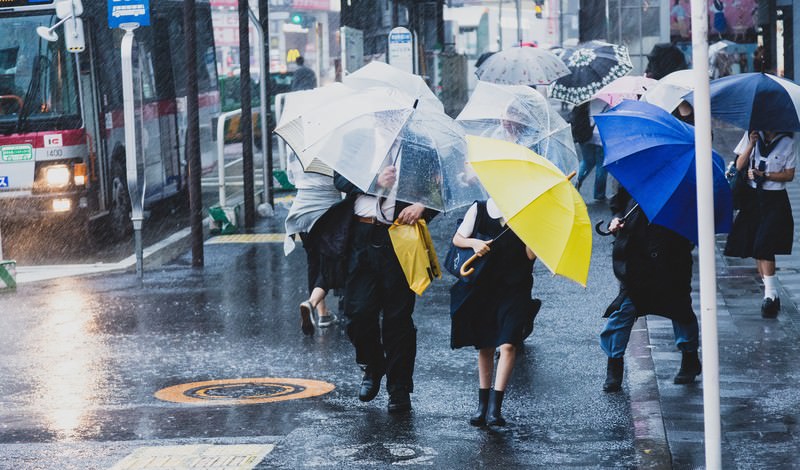
On September 8, 2026, parts of Chubu, Japan, were hit by a powerful autumn storm that caused torrential rains, flooding streets and railways, including the subway system in Nagoya. Commuters and travelers were stranded without means to return home, but fortunately, there were no severe injuries or fatalities. As someone living and working in Nagoya, the reporter experienced the disruption firsthand.
At 4:13 p.m., the reporter received an alert on their phone, indicating a landslide warning, despite being in an urban area. The alert escalated to Level Five, signifying an imminent or ongoing disaster requiring immediate action, such as evacuating to higher ground. The Shonai and Yada rivers, which run through Nagoya, were at risk of overflowing, endangering the city.
Public transport was shut down for the day, leaving the reporter without a way to get back home. Considering the potential for crowded emergency shelters, the reporter chose to stay at their workplace, where they constructed a makeshift bed and spent the night. By the next morning, trains had resumed operation, allowing the reporter to return home.
Japan uses a five-level disaster alert system, with Level Five signaling an imminent or ongoing disaster that requires immediate action. The reporter emphasized the importance of understanding local warning protocols and transportation disruptions when faced with sudden disasters in Japan. In case of rising floodwaters, evacuation should be vertical, moving to the second floor or higher of a concrete building, rather than attempting to evacuate horizontally. If shelter is unavailable, moving to an open space like a park or school grounds is recommended.
Written by urgent.news from SoraNews24's reporting — not their text. Machine-written — may contain errors; check the original before relying on it.