Moonshot’s Kimi K3 lands on Amazon in key test for Chinese open-source AI revenue
Chinese artificial intelligence start-up Moonshot AI has begun supplying its flagship Kimi K3 model to Amazon Web Services (AWS), one of the world’s largest cloud services providers, in a major test case for how open-weight AI models can generate higher revenue from third-party platforms. The model is now available on Amazon Bedrock, AWS’s tool for building generative AI applications, offering “a…
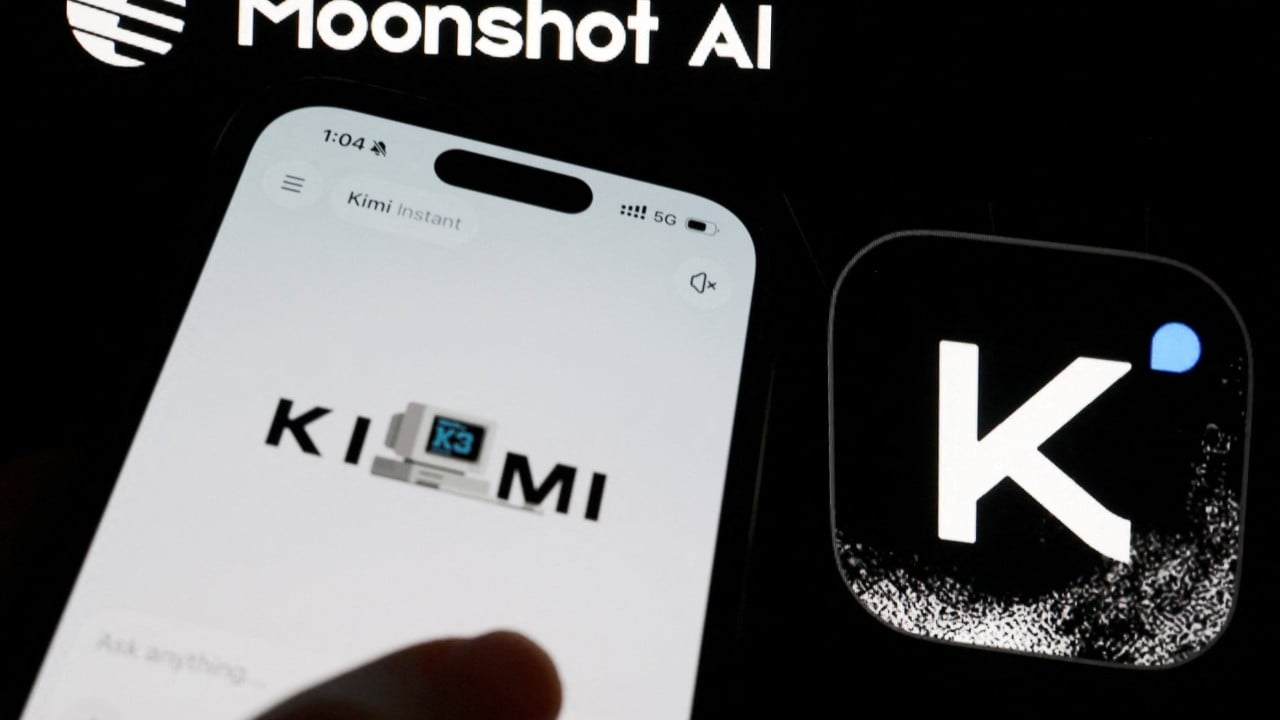
Chinese AI startup Moonshot AI has partnered with Amazon Web Services (AWS) to offer its flagship model, Kimi K3, on Amazon Bedrock. As a result, the open-weight AI model is now accessible to developers building generative AI applications, offering a powerful alternative for coding and knowledge work. Although financial terms have not been disclosed, the agreement likely led to Moonshot's updated commercial licensing terms.
These terms stipulate a paid arrangement if firms or their affiliates host the model as a service and generate over $20 million in aggregate annual revenue. Amazon reported a $25 billion annual revenue run rate for its AI business in July. Moonshot did not immediately comment on the revenue-sharing arrangement. Open-weight models like Kimi K3 allow users to use, modify, and distribute the software without paying the model developer.
However, companies such as Moonshot, Alibaba, and MiniMax have modified their commercial terms with select entities. Alibaba required a separate deal for businesses generating over $50 million in annual revenue, while MiniMax requested separate commercial agreements for businesses surpassing $20 million in annual revenue. The Moonshot-AWS partnership underscores Chinese AI labs' struggle to monetize compared to US rivals.
Chinese AI developers together generate only about 10% of OpenAI and Anthropic's revenue, according to a Rhodium Group report. Kimi K3 is also available on Microsoft's Foundry platform through Fireworks AI, and Moonshot had talks with Microsoft and Google over revenue-sharing agreements, seeking up to 30% of revenue.
Written by urgent.news from SCMP Tech's reporting — not their text. Machine-written — may contain errors; check the original before relying on it.
This story
This is one outlet's version. Read the fullest account.