Microsoft Patent Describes Freezing Games To Show Players Ads
Ads in videogames have always been seen as a negative, but it’s often justified in free-to-play titles because the developers have to make money in some other way. So it’s always a little worrying when there’s news about new ad tech appearing in the videogames space. Microsoft appears to have a new patent describing just […] The post Microsoft Patent Describes Freezing Games To Show Players Ads…
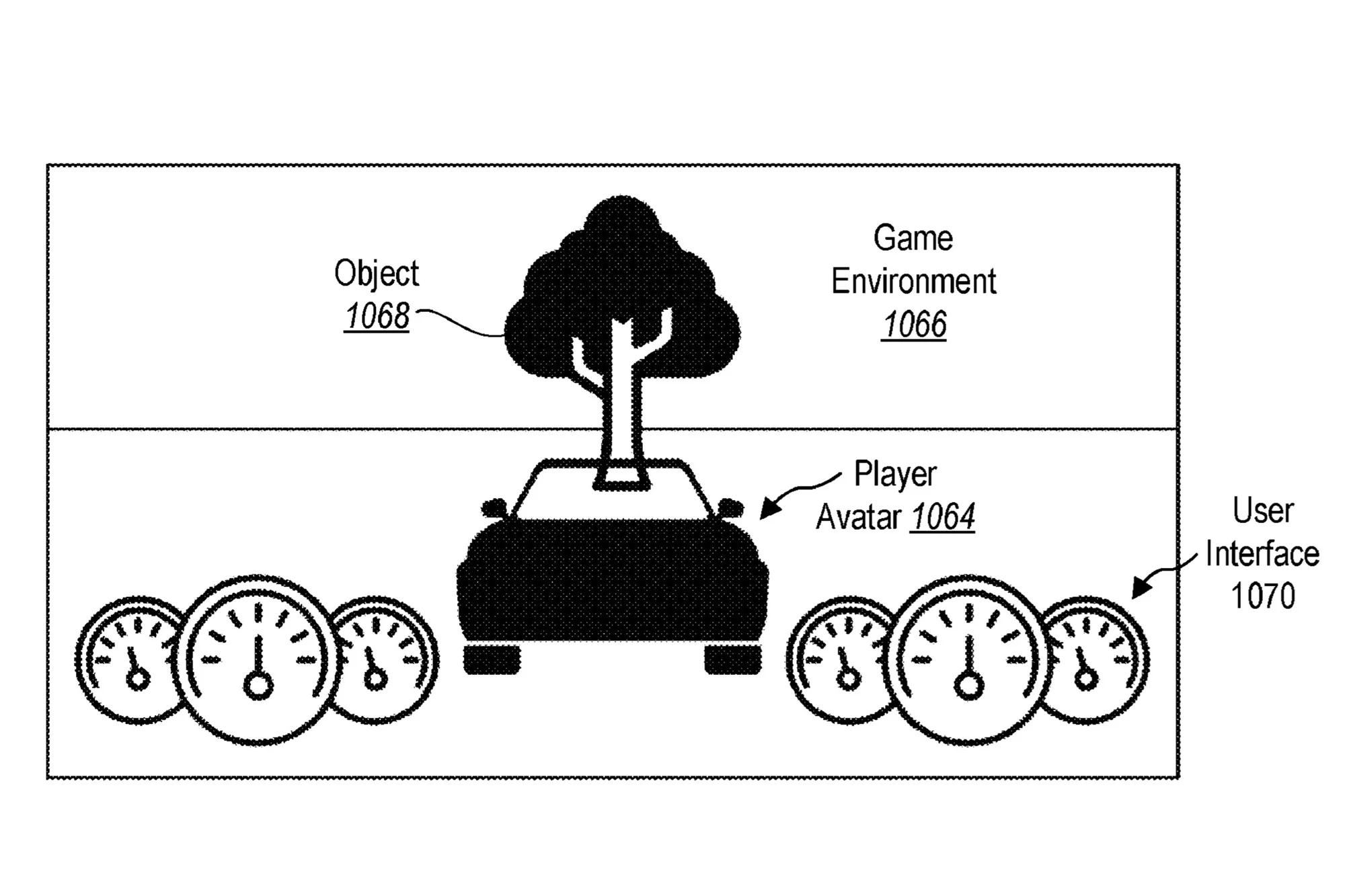
Video gaming ads have generally been viewed negatively, but they are often justified in free-to-play titles as a means of generating revenue for developers. Microsoft has recently filed a patent describing a method to display ads in games by freezing them. The patent, titled "Contextually Aware Management of Interactive Software Application Access," does not explicitly specify whether it applies to free-to-play or paid games, but it is likely intended for the former.
The patent mentions the use of gameplay credits, with durations ranging from 30 minutes to an entire level, without specifying an exact time frame. When the credit nears expiration, the technology checks if the game is in a high-intensity moment or if the player is in a safe location. During such safe moments, ads are displayed and watching them grants another credit.
The game is frozen, ensuring the player does not miss any content while the ad plays. This concept is not entirely novel, as it mirrors the standard practice of displaying ads in mobile and free-to-play games where players can either endure ads for longer playtime or pay to bypass them. Microsoft's innovation lies in integrating ads directly into the gameplay instead of requiring players to seek out ad windows.
Given the videogames division's existing limits on Xbox Game Pass, which can be extended by paying, it is plausible that this ad technology could also be applied to the subscription service.
Written by urgent.news from Lowyat.NET's reporting — not their text. Machine-written — may contain errors; check the original before relying on it.