Mapping the relay stations of human consciousness
By mapping the communication networks of healthy human brains, researchers have identified deep subcortical hubs that act as major relay stations for the cerebral cortex, revealing targets that could help awaken patients with severe brain injuries.
Researchers have identified key deep brain regions that act as communication hubs between the brain's outer layer and its central structures, potentially aiding patients with severe brain injuries. Published in Human Brain Mapping, the study reveals how specific areas in the brainstem and thalamus connect to various cognitive networks responsible for maintaining human wakefulness.
The findings show that when pathways between these regions are damaged, patients may enter a coma or suffer from consciousness disorders. Current medical therapies attempt to reactivate these dormant connections using electrical pulses, ultrasound, or targeted medications. To enhance treatment effectiveness, scientists need to pinpoint the exact deep brain locations to stimulate.
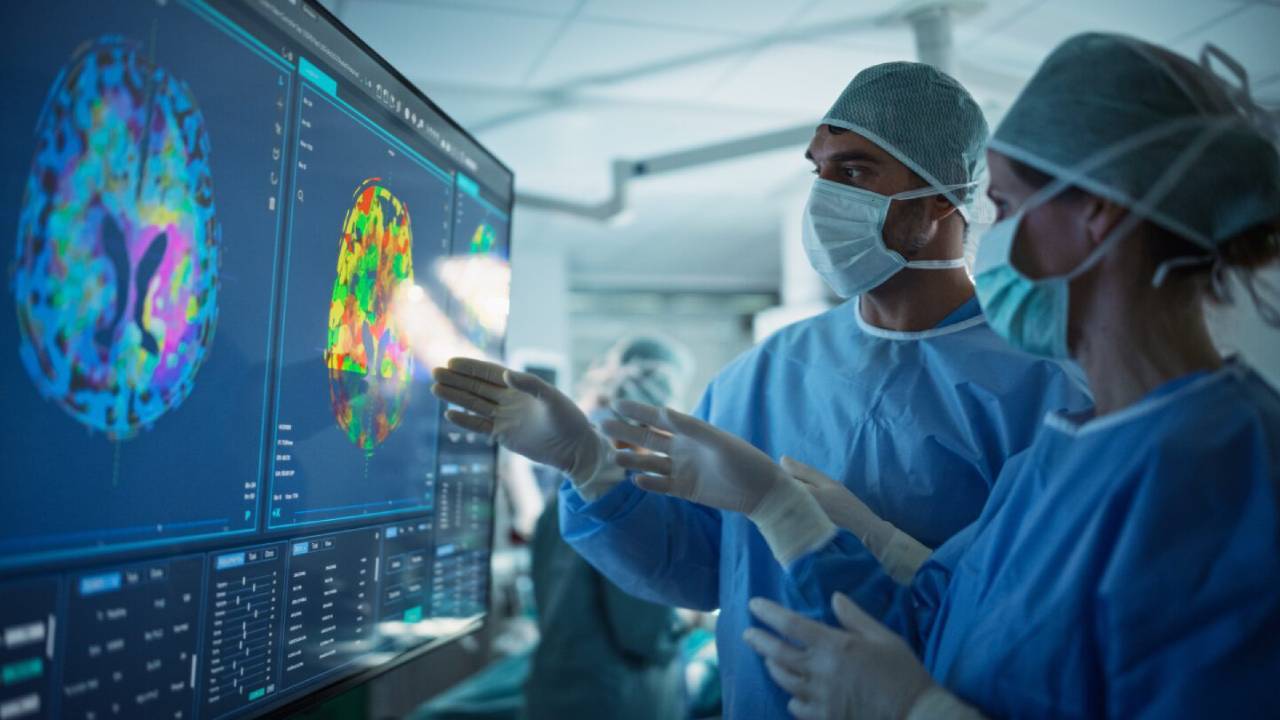
A team led by Morgan K. Cambareri from Massachusetts General Hospital and Boston University mapped these connections in healthy brains, aiming to find central relay stations that link to multiple cortical networks simultaneously. They analyzed brain scans from 168 subjects using functional magnetic resonance imaging (fMRI) to measure brain activity.
The researchers focused on six major networks in the cerebral cortex, including networks for daydreaming, decision making, attention, visual processing, and movement. By employing a tensor decomposition method, they were able to map overlapping functional networks in the brain, revealing subcortical hubs that synchronize with multiple cortical networks.
These hubs were found in regions historically targeted for treating disorders of consciousness, such as the ventral tegmental area in the midbrain, central lateral and parafascicular nuclei in the thalamus, and the pontomesencephalic tegmentum. The brainstem and thalamic hubs showed significant connections with both the default mode network and the salience network, indicating their crucial role in waking up and paying attention.
Additionally, the study mapped hubs involved in memory, emotion, and movement, such as the amygdala, hippocampus, and parts of the basal ganglia. One structure, the bed nucleus of the stria terminalis, was uniquely connected to all six cortical networks, acting as a highly integrated junction box. While the study provides valuable insights into the functional relationships between brain regions, it acknowledges limitations, such as the inability to determine the direction of electrical signals due to the nature of functional MRI.
Written by urgent.news from PsyPost's reporting — not their text. Machine-written — may contain errors; check the original before relying on it.