Madlanga Commission: Correctional Services acknowledges lifestyle-audit weakness, seeks SIU help
Correctional Services commissioner Makgothi Thobakgale told the Madlanga Commission that lifestyle audits are not conducted routinely and that the department is discussing an agreement with the SIU to strengthen vetting and financial scrutiny.
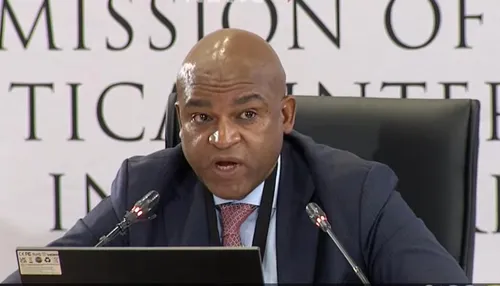
Correctional Services is seeking assistance from the Special Investigating Unit (SIU) to enhance lifestyle audits, acknowledging the department's current approach lacks effectiveness. National Commissioner Makgothi Thobakgale explained during the Madlanga Commission hearing that lifestyle audits are typically initiated due to financial disclosures, vetting concerns, or other issues, rather than being conducted regularly.
He emphasized the need for capacity and resources to implement these audits consistently. Thobakgale stated that security vetting is typically valid for five years, with renewal at the end of that period, and that promotions do not automatically trigger fresh vetting unless the higher-ranking position requires a greater security clearance.
Financial-interest disclosures are submitted annually by specific employee groups, who submit forms and supporting documents to the Public Service Commission for verification, followed by the disclosure of findings and any recommended sanctions to the department. A notable concern was brought to light when it was revealed that suspended KwaZulu-Natal Regional Commissioner Mnikelwa Nxele was the sole senior manager who had not submitted the necessary annual financial-interest disclosure.
Thobakgale ordered a lifestyle audit, which will be incorporated into disciplinary proceedings against Nxele, who faces fraud and money-laundering charges related to Bosasa-related allegations. Thobakgale highlighted the limited scope of vetting requirements as problematic, particularly in Correctional Services, where officials could be susceptible to undue influence, conflicts of interest, corruption, and improper financial relationships.
He advocated for extending disclosures and vetting to lower-level officials who may interact with inmates, and suggested that lower-ranking officials undergo suitability checks when information about alleged activities comes to light or upon promotion. These checks could involve criminal records, pending disciplinary matters, and potential associations with criminal networks or syndicates.
Thobakgale also identified slow vetting processes for officials in sensitive positions, such as deputy commissioners, directors, area commissioners, heads of correctional centers, and unit managers, as a systemic constraint within the department. Public Service Commission Chairperson Somadoda Fikeni reportedly suggested that frontline personnel across the criminal justice system should also undergo vetting, emphasizing the vulnerability of lower-ranking officials to financial inducements and the need to address their conditions of service.
Thobakgale acknowledged that limited resources often lead Correctional Services to focus primarily on immediate security issues rather than preventive measures.
Written by urgent.news from IOL's reporting — not their text. Machine-written — may contain errors; check the original before relying on it.