London cannot afford an ‘Autumn of Discontent’ of Tube strikes
The RMT has voted for further Tube strikes because TfL has offered them the wrong kind of four day week. It's normal Londoners that suffer.
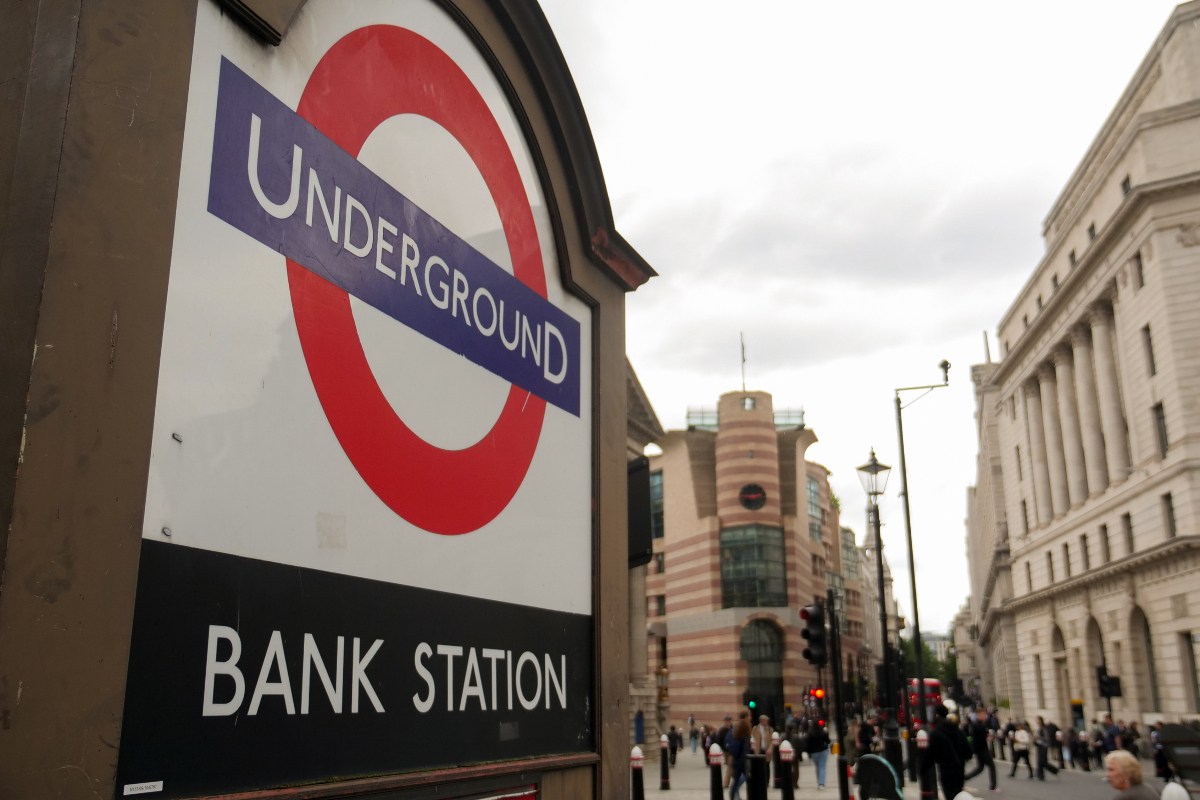
The Transport and General Workers' Union (TGWU) has voted to continue striking on London's Tube system, citing the Transport for London (TfL) offering them an unsuitable four-day workweek. This dispute is more than a simple protest; it represents significant disruption to millions of commuters and a substantial financial burden on the London economy.
Since 2016, there have been approximately 160 days of strikes on the Tube, indicating a pattern of recurring labor disputes. The RMT union believes they have been presented with an inadequate four-day workweek, while another Tube union, Aslef, views the offer as a major improvement in working conditions for train drivers. The Mayor of London, who promised to prevent Tube strikes during his tenure, has seen a tripling of strikes compared to previous administrations.
The current Labour government has even overturned a law from the previous administration aimed at addressing strike-related issues. The financial impact of these strikes is substantial, with estimates suggesting the London economy lost £230 million in business during a September 2025 strike, and a further £760 million in hospitality-related losses.
Hospitality bookings fell by up to 67%, and walk-ins decreased by nearly 70%. These strikes have cost the UK economy an additional £760 million and resulted in 320,000 to 630,000 lost working days. The rise of anti-strike legislation and the potential introduction of driverless trains may gain public support as the issue of Tube strikes becomes a pivotal debate in the upcoming 2028 City Hall elections.
Written by urgent.news from City AM's reporting — not their text. Machine-written — may contain errors; check the original before relying on it.