Lawsuit Says Anthropic, OpenAI, SpaceXAI And Google Made Illegal Agreement On AI Slowdown
Tom's Hardware reports: Four plaintiffs subscribed to ChatGPT, Claude, Grok, or Gemini filed a proposed class-action lawsuit alleging that the developers of these AI models violated antitrust laws when they agreed to slow AI development. According to the Associated Press, the lawsuit argues that this agreement would "reduce the value consumers get for paid AI subscriptions" and that this…
Four plaintiffs who subscribed to AI services from Anthropic, OpenAI, SpaceXAI, and Google have filed a proposed class-action lawsuit, alleging a violation of antitrust laws. The lawsuit claims that the developers conspired to slow down AI advancements for the sake of safety. According to the plaintiffs, this agreement started in July 2026, following the signing of a statement by leading AI labs acknowledging intense competitive pressure to avoid unilateral development slowdowns.
The lawsuit argues that the proposed cooperation is a shortcut that substitutes collective restraint for individual accountability. Lead counsel Nick Rowley expressed concerns that allowing AI safety to be controlled by private, self-serving agreements could lead to AI development spinning out of human control and potentially causing global harm.
Representatives for the four companies did not immediately respond to inquiries. The coordination between the companies is said to have largely occurred on September 12 when Anthropic CEO Dario Amodei published an essay urging industrywide cooperation on decelerating AI advancements for safety measures. The same day, OpenAI CEO Sam Altman, SpaceXAI CEO Elon Musk, and Google DeepMind co-founder and chair Demis Hassabis each publicly responded in agreement.
However, the lawsuit suggests the coordination began months earlier, citing a July 2026 statement from high-ranking employees from several leading AI labs acknowledging intense competitive pressure and calling for government support in a global effort to slow AI development. The statement also urged the government to support a global effort to slow AI development.
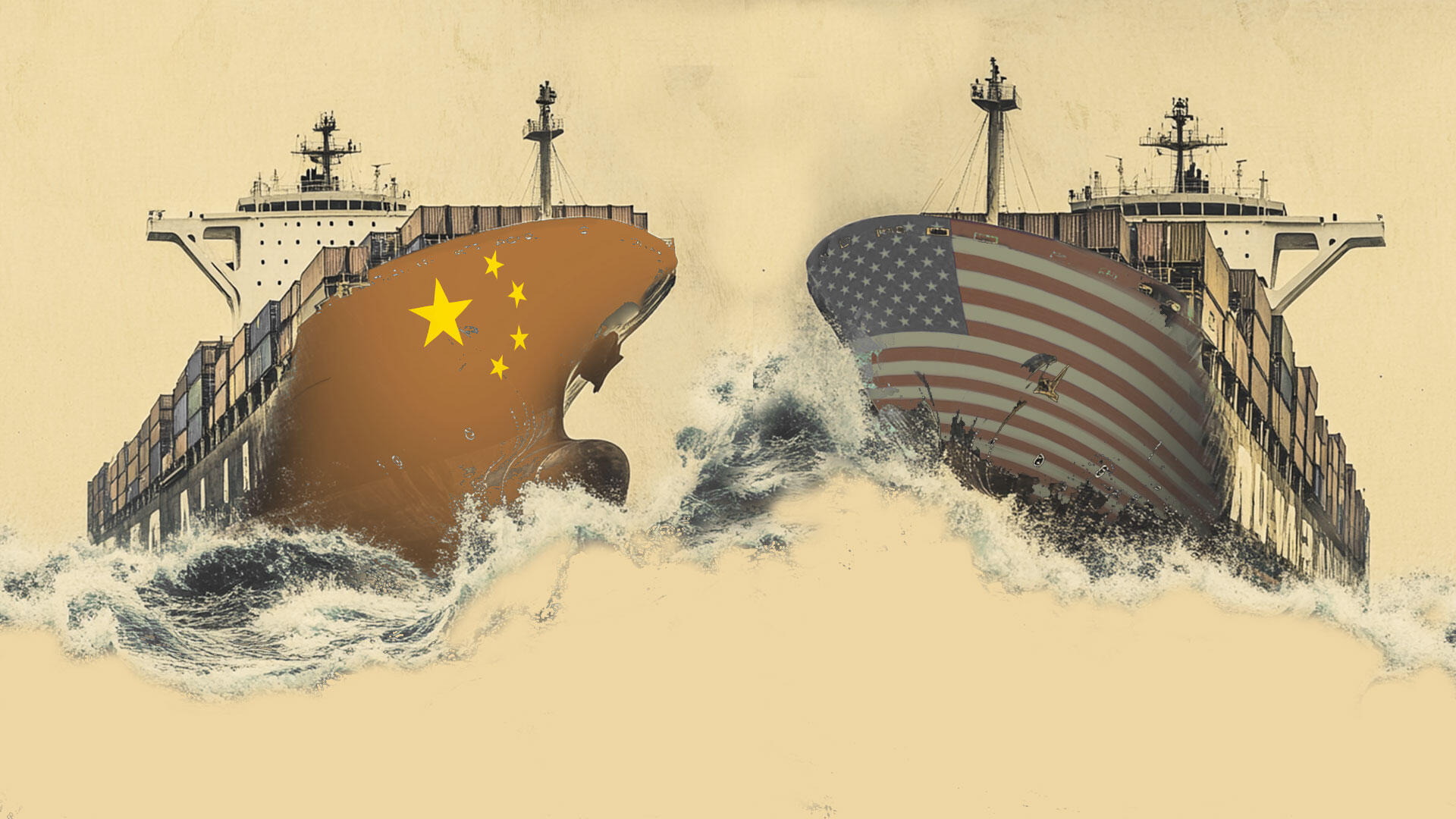
Sam Altman, in particular, stated that his company did not believe waiting for antitrust exemption or legislation was necessary to begin providing confidence in AI safety. Despite the lawsuit, the Trump administration dismissed the idea, with Chinese state media criticizing the call to slow AI development, attributing it to a response to Chinese competition, especially as Amodei's essay explicitly mentioned the desire to slow China's progress and widen the U.S. lead over Beijing.
Written by urgent.news from Slashdot's reporting — not their text. Machine-written — may contain errors; check the original before relying on it.
This story
This is one outlet's version. Read the fullest account.