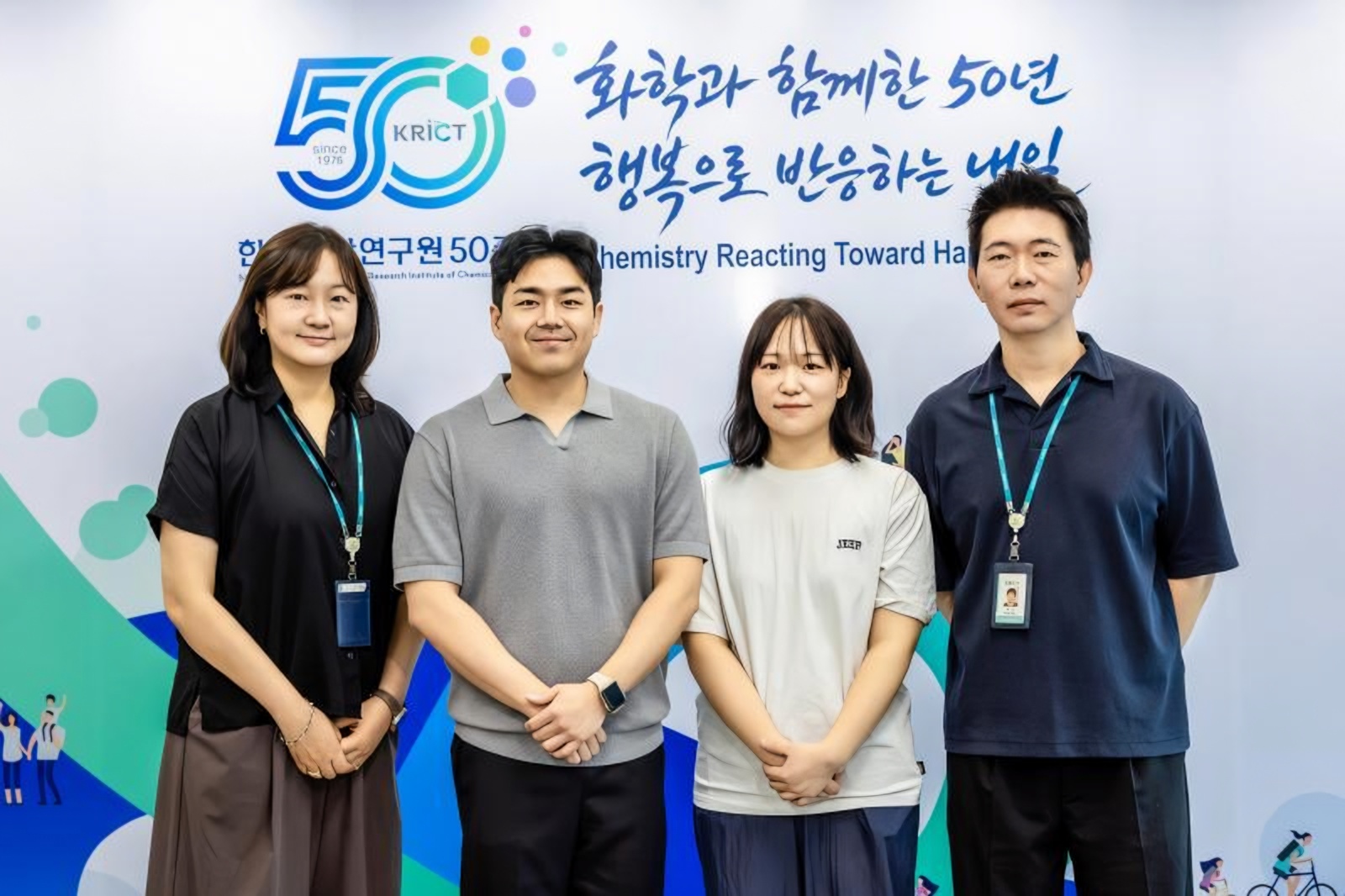
KRICT researchers develop cathode technology for high-capacity batteries
A research team at the Korea Research Institute of Chemical Technology (KRICT) has developed a new cathode technology that could help batteries store more energy without increasing their size or weight, the institute said Monday. The team, led by senior researchers Moon San and Suk Jung-don, developed a new dry thick cathode technology that improves the movement of lithium ions inside electrodes.…
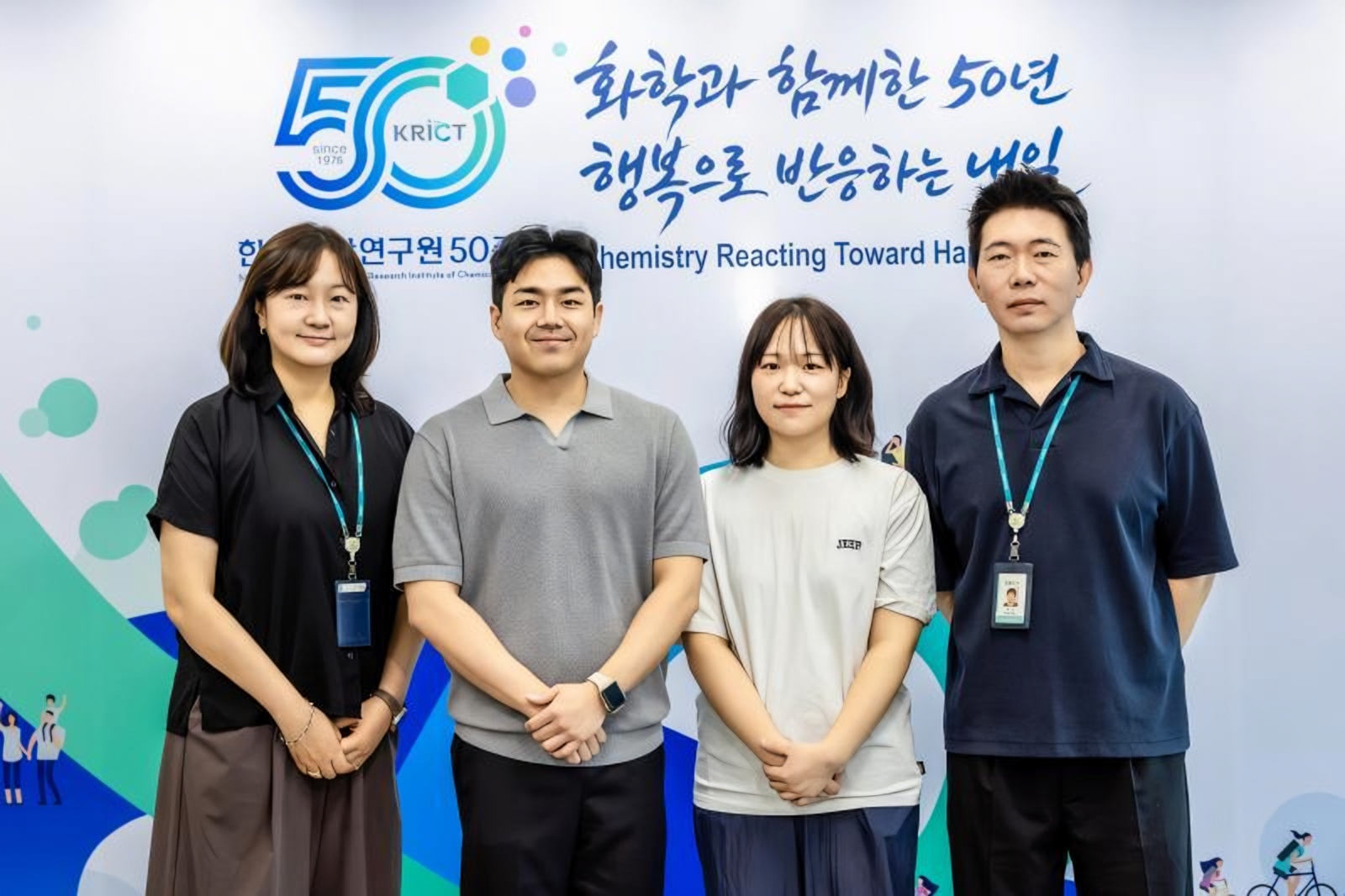
A research team at the Korea Research Institute of Chemical Technology (KRICT) has developed a new cathode technology that could significantly enhance battery energy storage capacity without increasing size or weight, according to a report by The Korea Times. Led by senior researchers Moon San and Suk Jung-don, the team's innovation involves a dry thick cathode technology that facilitates the movement of lithium ions within electrode materials.
This advancement, highlighted in the August cover article of the international academic journal Exploration, utilizes graphitic carbon nitride as an additive in dry cathodes for the first time. This novel approach enhances the electrolyte's penetration into the electrode, thereby reducing the energy needed for lithium ions to enter the cathode material.
The development of high-energy-density batteries often involves making electrodes thicker to accommodate more active material, but this can hinder lithium ion mobility, limiting the battery's efficiency. KRICT's breakthrough addresses this challenge, potentially paving the way for more powerful and compact energy storage solutions.
Brief written by urgent.news from The Korea Times's own syndicated text. Machine-written — may contain errors; check the original before relying on it.
This story
This is one outlet's version. Read the fullest account.