KP govt unmoved by doctors’ 2-week strike
PESHAWAR: The Khyber Pakhtunkhwa government seems unmoved by the protest of trainee medical officers and house officers, who have been on strike at medical teaching institutions (MTIs) for the past two weeks to demand 30 per cent hike in stipends. Provincial Health Minister Khaliqur Rahman said that their pay was increased in July 2026 after cabinet’s approval. He said that he had asked about…
Peshawar - The Khyber Pakhtunkhwa government appears unconcerned by doctors' two-week strike at medical teaching institutions (MTIs). Provincial Health Minister Khaliqur Rahman indicated that trainee medical officers and house officers have been protesting for a 30% increase in stipends, which he claims were raised in July 2026 after cabinet approval.
Rahman sought to compare the stipends of doctors in other provinces with those in Khyber Pakhtunkhwa. He stated that he was in contact with agitating medics, as the strike initiated without reason and disrupted patient care. Rahman stressed that the strike was impacting patients, urging the protesting doctors to understand the situation instead of disrupting medical services.
The government claims that the stipend was raised by 15% on September 10, with arrears from June. However, trainee medical officers argue that their colleagues in Punjab receive higher stipends. Khyber Pakhtunkhwa has 600 doctors, 53% female, enrolled for five-year training in 74 different specialties across its MTIs and other recognized provinces.
The Postgraduate Medical Institute (PGMI) manages the training of trainee doctors, with 98% of its Rs8.6 billion annual budget allocated to stipends, and the remaining 2% used for operational costs. PGMI has long recommended a 15% increase in stipends but increased it mid-protest, failing to satisfy the trainee medics. If the stipend had been raised a few months earlier, the MTIs would not have been brought to a standstill.
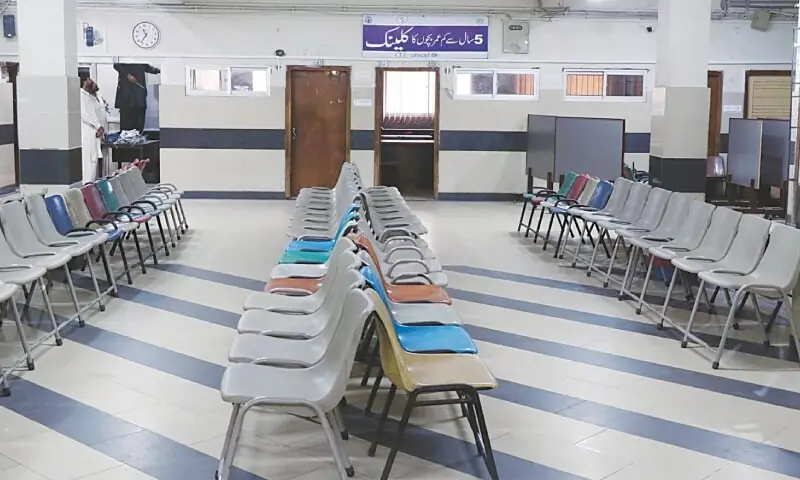
The strike has left outpatient departments, wards, operation theatres, diagnostic departments closed, with only accident and emergency departments operating to provide uninterrupted services to critically-ill and injured patients. Dr Khalid Kamal, a member of the council formed by trainee medics and house officers, emphasized the crucial role these professionals play in the provincial tertiary-care teaching hospitals.
He stated that they have been managing wards, responding to emergencies, assisting in surgeries, attending calls, and providing round-the-clock medical care to patients. Dr Khalid highlighted that due to their full-time hospital commitments, they had no opportunity for additional income through private practice. The protesting doctors, including those in Swabi, boycotted duty to demand a stipend increase, threatening to continue their boycott if their demands were not met.
They argued that while prices of commodities and other expenditures had increased significantly over the past decade, their stipends remained unchanged. Dr Shakoor Ahmad noted that the price of commodities had risen about 300%, while trainee medics and house officers received the same salary. The protesting doctors demanded an increase in their monthly stipends, stating that the government had not taken any steps to address their concerns.
When asked about the next step, the protesting doctors said that they would decide soon but their target was to close outpatient departments in all hospitals across the province. They threatened to close emergency and accident departments if their demands were not met, criticizing the government's lack of interest in resolving their issues.
Written by urgent.news from Dawn - Pakistan's reporting — not their text. Machine-written — may contain errors; check the original before relying on it.