Kissht, Ola Electric & More: Why Listed Startups Keep Going Back To The Well
Barely four months after making its stock market debut, digital lending platform Kissht is back in the public markets for…
Just months after listing on the stock market, digital lending firm Kissht is seeking more funds. Its parent company, OnEMI Technology Solutions, secured shareholder approval to raise up to ₹832 crore through a preferential issue of equity shares. This follow-up comes after the company raised around ₹926 crore in its initial public offering (IPO), including a fresh share issue.
The new funds will primarily be used to support Kissht's lending arm, Si Creva, with the remainder intended for general corporate purposes. The relatively short time frame between the IPO and the follow-on raise has drawn some attention from market observers. However, Kissht is not the only startup returning to the capital markets after going public.
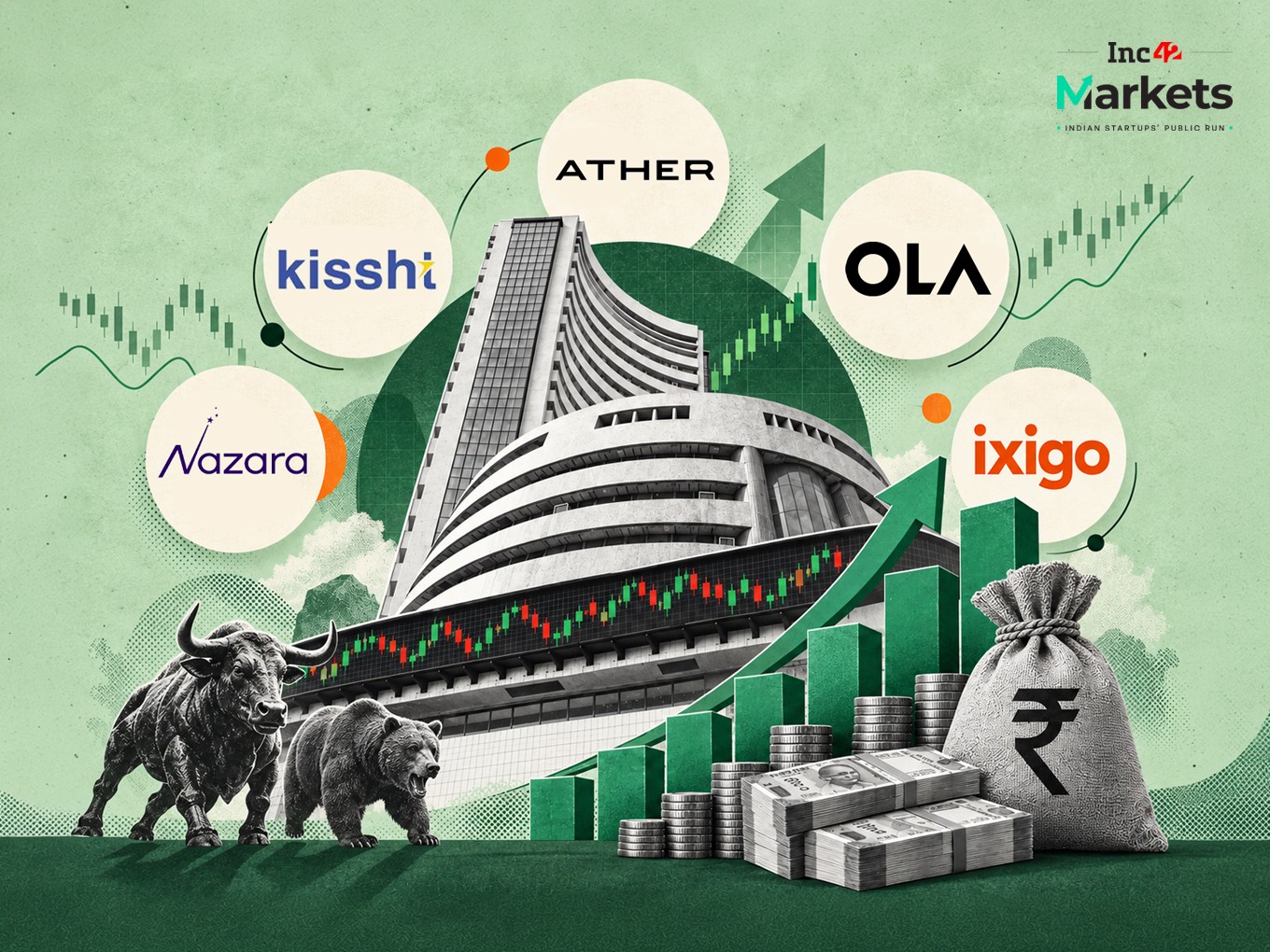
In the past couple of years, several tech companies have turned back to the equity markets after listing. While most have opted for Qualified Institutional Placements (QIPs), others have utilized preferential or rights issues. Thus far, new-age listed companies have not resorted to follow-on public offers (FPOs). Companies like Swiggy, Ather Energy, Ola Electric, Zaggle, RateGain, Nazara, and ixigo have tapped into institutional investors through QIPs.
Travel tech firm ixigo raised around $146 million through a preferential issue roughly 16 months after its listing. Market analysts suggest that the quick gap between an IPO and a subsequent equity raise raises questions about capital requirements, dilution, and how companies are deploying public market funds. Is the need for fresh capital that was a common characteristic of Indian startups before their IPOs now trickling into their post-listing lives?
The analysts point to two possible reasons behind the early return to the capital markets. First, startups may have used a significant portion of their IPO proceeds, leaving limited capital for growth. They may need to raise fresh equity to fuel further expansion, especially in sectors where capital is required to upgrade manufacturing, technology, or expand into new product areas.
Second, companies may raise equity to avoid the obligations and restrictions associated with debt, which can limit flexibility and increase servicing requirements. For a company like Kissht, raising fresh equity can strengthen its lending business while allowing it to scale up its other verticals, such as its payments vertical. The timing of the raise can also be influenced by the stock price.
Kissht is raising funds at ₹314.11 per share, compared to its IPO price of ₹171. The higher share price means the company can raise capital with less dilution. Analysts believe that the valuation logic applies to many other new-age companies when business growth outpaces the assumptions made during the IPO. Companies may also pare down their initial IPO fundraising targets to improve the chances of a successful listing.
If growth accelerates after listing, the money raised during the IPO can be absorbed faster than initially planned, leading to an earlier return to the market. While it may appear that a company turning to the market for new capital did not adequately plan its IPO, the opposite could be true. Business plans may change based on market conditions even after a company becomes public.
If growth outpaces expectations, the funds from the IPO may be depleted faster than management had anticipated, necessitating a return to the market for additional capital. Investors and institutions should carefully consider whether companies are raising equity out of choice or necessity when assessing preferential issues or QIPs issued shortly after an IPO.
Written by urgent.news from Inc42's reporting — not their text. Machine-written — may contain errors; check the original before relying on it.