Japan asks for US$43 million to weed out cherry tree-devouring longhorn beetle
Japan’s Environment Ministry is stepping up measures against longhorn beetles that are devouring cherry trees, with a request for 6.7 billion yen (US$43 million) to counter invasive species in the next financial year’s initial budget. According to the ministry, the requested amount, which is an increase of 11 times the initial budget of 600 million yen for the 2026 financial year, will be used to…
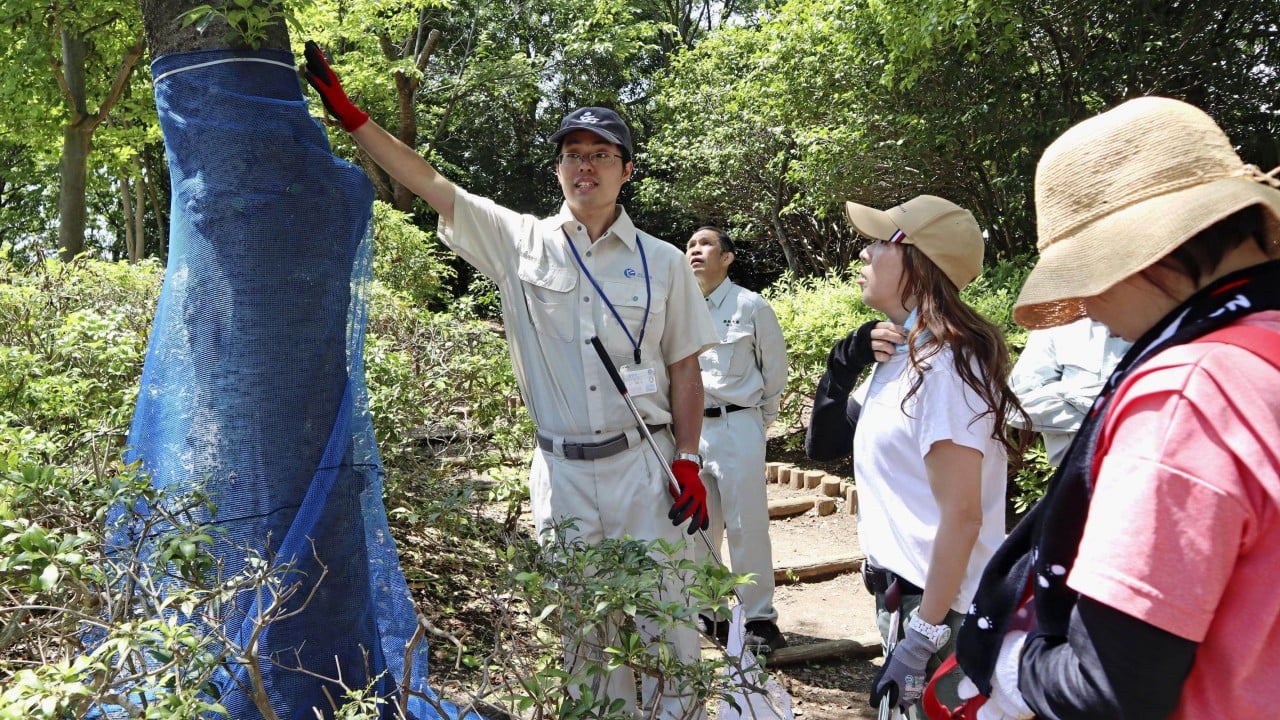
The Japanese Environment Ministry is requesting US$43 million to combat the invasive longhorn beetle that is damaging cherry trees, as reported in their initial budget for the upcoming fiscal year. This request marks an 11-fold increase from the initial 600 million yen allocation for 2026, aimed at eradicating the red-necked longhorn beetle and bolstering tree protection measures.
The beetle, native to countries like China and Vietnam, measures 2.5cm to 4cm, and was first identified in Japan in 2012. It is most active from May to August, with larvae burrowing into trees for two to three years before pupating.
The ministry emphasizes that unchecked beetle growth could lead to agricultural losses, hinder cherry blossom viewing, heighten tree fall risks, and disrupt ecosystems. In response to the issue, a task force was formed in July, and a strategy was adopted earlier this month, offering local governments technical and financial assistance. The longhorn beetle is classified as an "invasive alien species," making it illegal to breed, keep, import, sell, or release it into the wild.
Local governments are taking matters into their own hands, with some offering bounties for beetle captures. Kawajima in Saitama prefecture pays 100 yen per beetle, while Oyama in Tochigi prefecture pays 500 yen for 10 beetle carcasses. For the 2026 fiscal year, the ministry has allocated an additional 600 million yen from international tourist tax revenue to safeguard cherry trees, an "important tourism resource." The exact sum for the next financial year remains undetermined.
Written by urgent.news from South China Morning Post's reporting — not their text. Machine-written — may contain errors; check the original before relying on it.