iPhone 18 Pro Max storage can drop lower than a hard drive at 1.1 MB/s during heavy writes — QLC NAND offers higher capacity but reportedly suffers 38% drop compared to TLC-based Pro
Apple's use of QLC NAND allows the iPhone 18 Pro Max to offer higher storage capacity, but Homolab's testing highlights the potential performance trade-off under sustained writes.
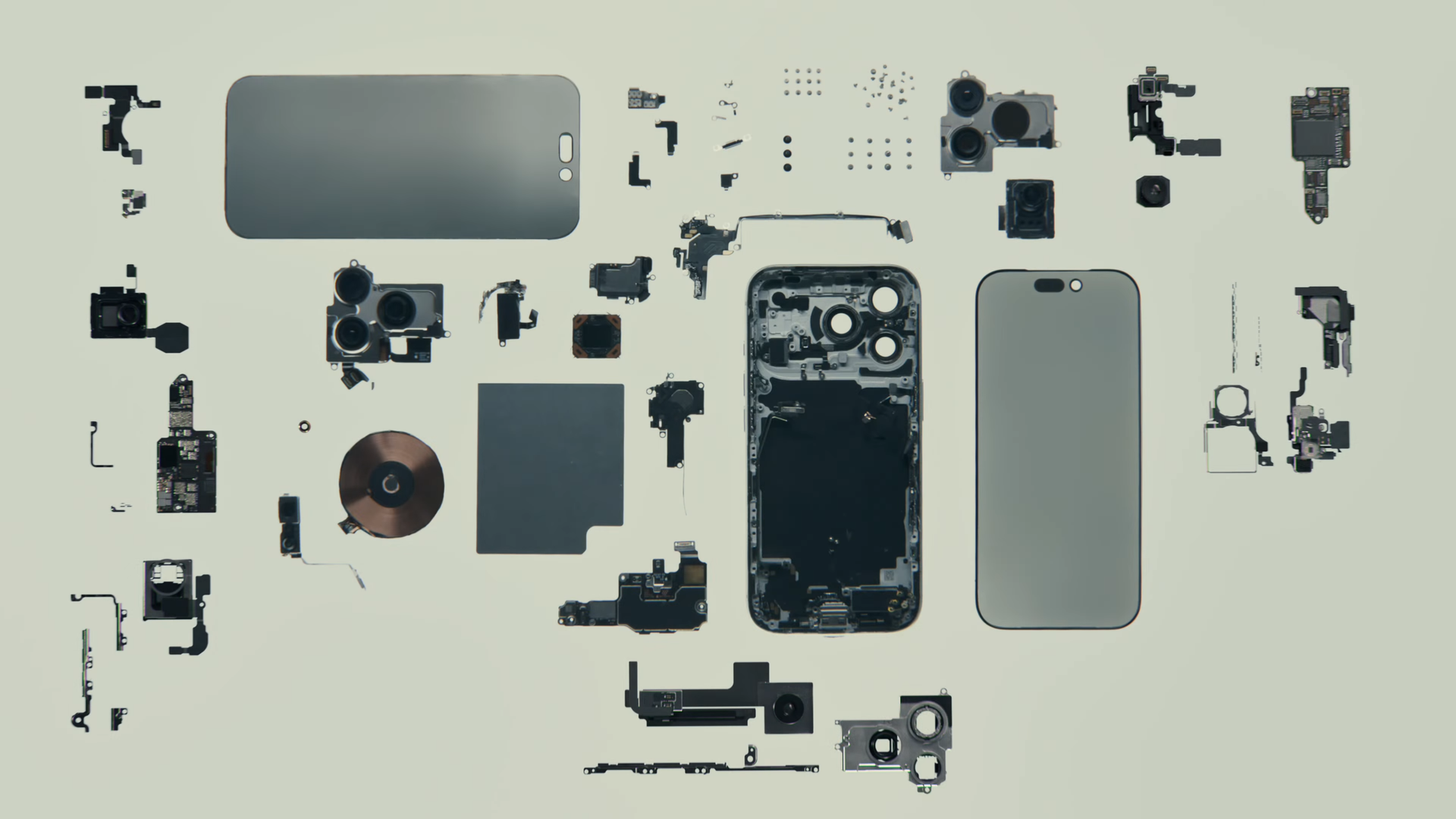
Apple's new iPhone 18 Pro series hit stores last week, and their choice to employ QLC-based NAND for larger storage capacities has its drawbacks. A recent test by Bilibili channel Homolab on a 1TB iPhone 18 Pro Max showed a decline in storage speed when subjected to continuous heavy usage. QLC storage enables manufacturers to provide more capacity within the same physical space, as it stores four bits of data per memory cell compared to three bits with TLC.
However, this higher storage density entails slower performance, especially when dealing with large data sets. On the other hand, TLC offers similar performance in 4K read tests to QLC, but the QLC model lags behind by 38% in a mixed workload with low queue depth, scoring 8,168 versus 11,285 for the TLC model. During heavier tasks, the performance gap narrows, while the TLC storage model still outperforms QLC by 12%.
When performing sustained write tests, the iPhone 18 Pro Max's SLC cache, which can reach speeds of up to 3,000 MB/s, depletes, and is replaced by a secondary TLC buffer, averaging around 578 MB/s. Once both caches are depleted, the device must write directly to the QLC NAND, leading to a significant drop to 79.4 MB/s, with occasional drops to 25.6 MB/s.
This is an unnaceptably slow speed, comparable to many budget microSD cards. The situation worsens as storage fills up—60% capacity reduces the SLC cache from 250GB to 58GB, causing the secondary buffer to slow down to 396 MB/s, while QLC writes average 45 MB/s and occasionally drop to 1.1 MB/s. These findings are based on synthetic benchmarks, representing worst-case scenarios.
Users should not encounter performance issues while browsing the web, messaging, gaming, or taking photos, as they are unlikely to experience noticeable slowdowns during typical tasks.
Written by urgent.news from Tom's Hardware's reporting — not their text. Machine-written — may contain errors; check the original before relying on it.