Investing overseas? Watch your tech exposure
Adding international diversification to an investment portfolio is more than just including additional countries. In India, most investors hold core equity exposure domestically through indices like the Nifty 500, and are now looking at adding the United States, Taiwan, South Korea, China, and other emerging markets. However, this may create concentrated exposure even if it seems geographically diversified.
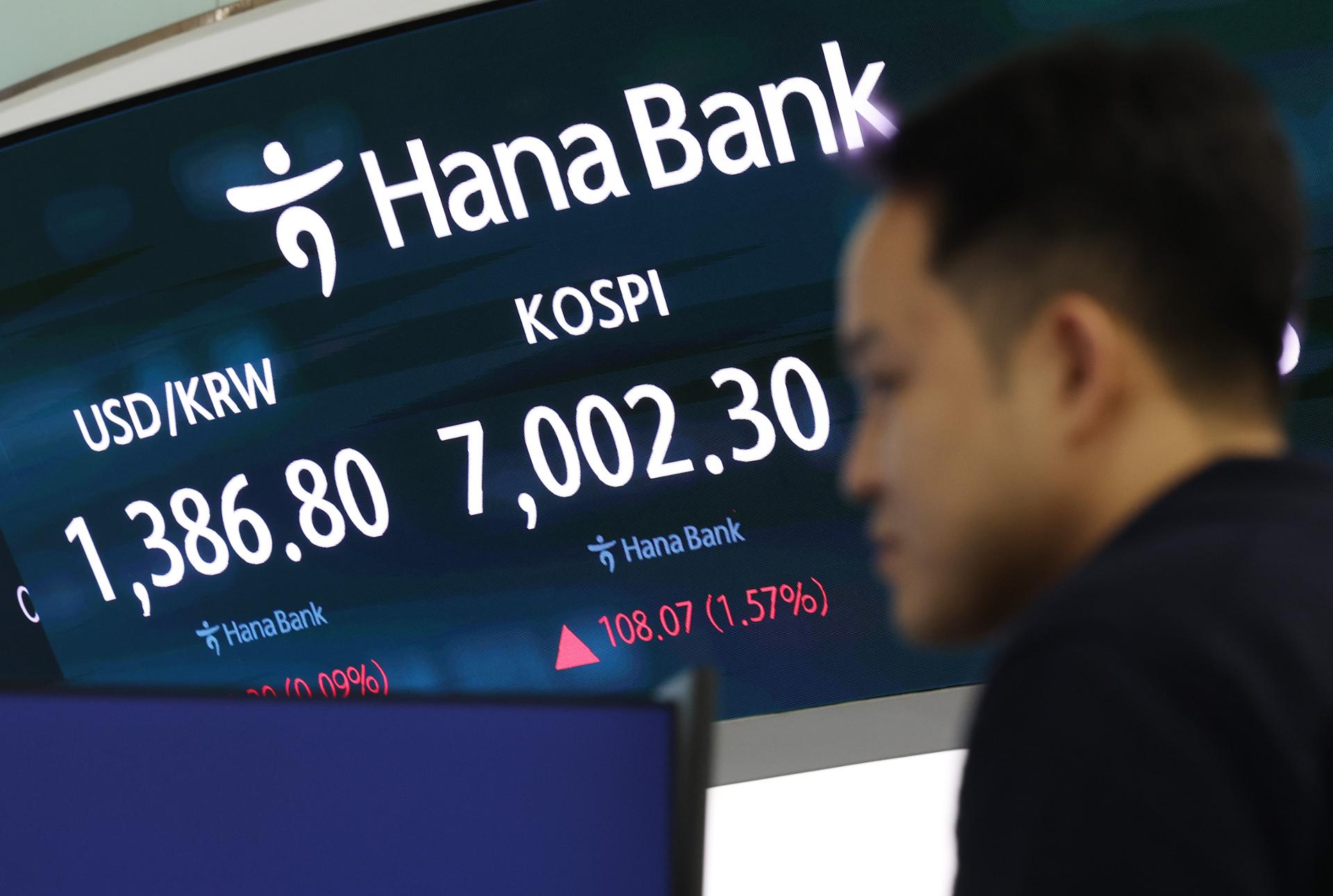
For instance, Taiwan is dominated by Taiwan Semiconductor Manufacturing Company (TSMC), while South Korea has significant weights in Samsung Electronics and SK Hynix. Emerging market indices also have notable exposure to Taiwan and South Korea, leading to overlap across funds.
The objective should be adding different businesses, sectors, and growth drivers to a portfolio, such as global technology, semiconductors, healthcare, or global consumer companies. The focus should be on what drives the earnings of the companies rather than simply the geography they are listed in.
A key point to consider is the disparity in sector representation between India and other markets. For instance, in the Nifty 500, information technology accounts for just 6.5%, while in the S&P 500, it makes up 37.9%. This gap highlights the different economic engines of the two markets – India's engines are domestic demand, infrastructure, and manufacturing, while the S&P 500 is driven by technology, digital platforms, and global innovation.
Similarly, when comparing the S&P 500 to the Nasdaq 100, the former is more balanced across various sectors, whereas the latter is heavily weighted towards technology-led, large-cap growth companies. So, adding the Nasdaq 100 to an already diversified portfolio may not provide additional diversification benefits.
Written by urgent.news from The Economic Times's reporting — not their text. Machine-written — may contain errors; check the original before relying on it.