Indonesia doing ‘everything’ but struggling to curb fires
Dozens of planes and thousands of personnel are struggling to contain huge forest fires in Indonesia while Malaysia steps up efforts against toxic haze.
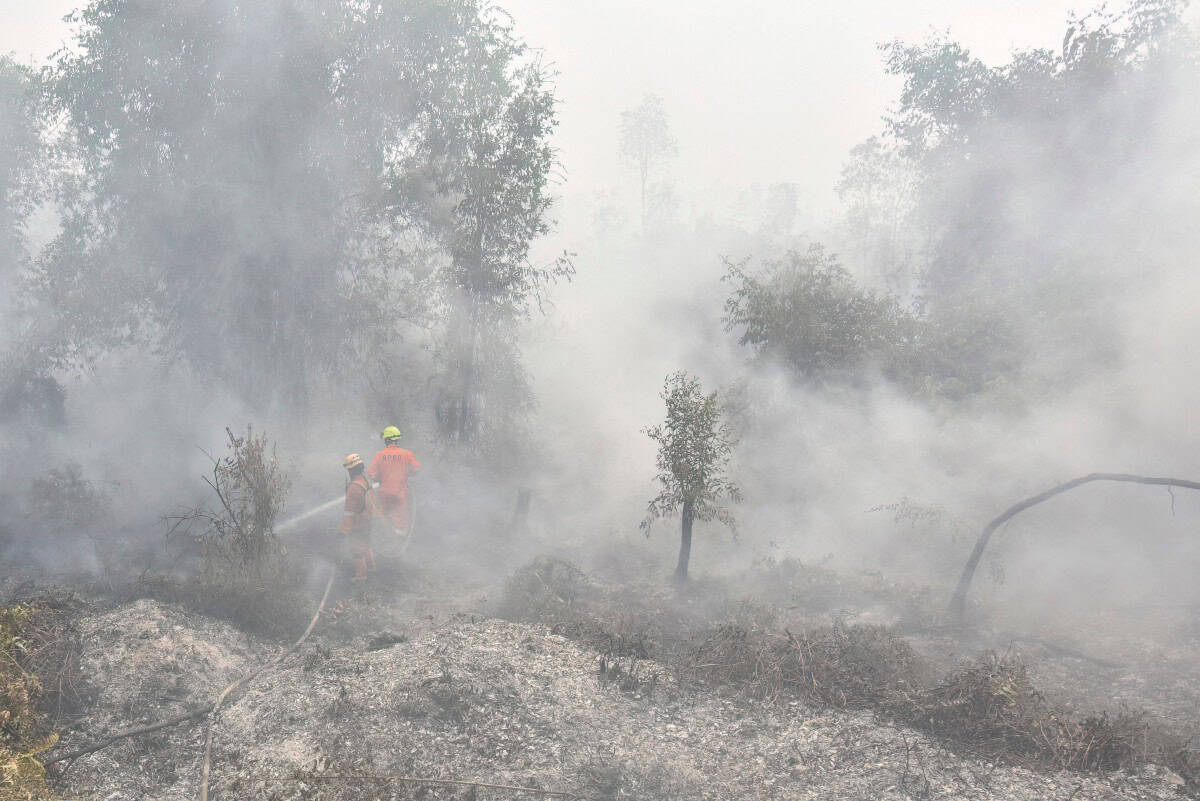
Indonesia is employing every available resource to tackle a devastating forest fire crisis, but authorities admit the challenge is immense. Cabinet Secretary Teddy Indra Wijaya reported that 64 aircraft and 54,000 personnel have been deployed on the islands of Borneo and Sumatra since last month to battle the infernos through water bombing. However, the sheer scale of the affected territory and the treacherous peatland conditions are making containment efforts extremely difficult, Wijaya explained.
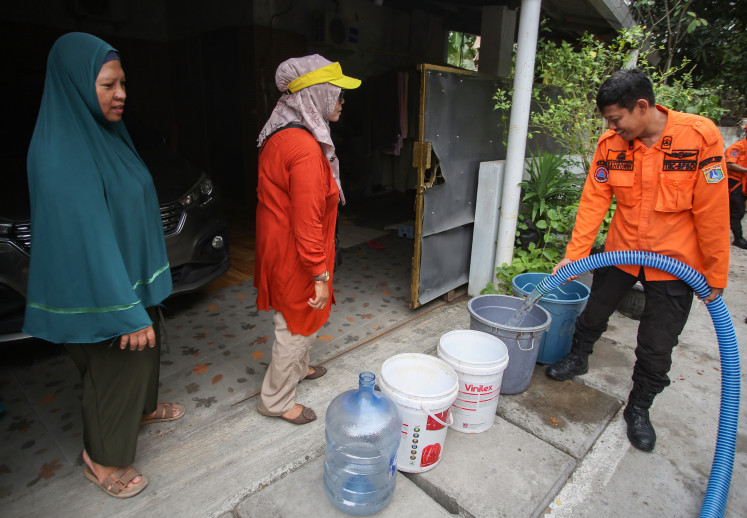
Smoke from the infernos has settled over various parts of the country, along with neighboring Malaysia and Singapore for weeks. In West Kalimantan, one of the hardest-hit regions on Borneo, the disaster mitigation agency highlighted the challenge posed by the fires' varying depths in peat soils and the limited water sources for ground crews.
Indigenous and civil society groups in West Kalimantan recently filed a lawsuit against the government, including President Prabowo Subianto and the governor, alleging negligence in preventing the disaster. They argue that the recurring pattern of such fires proves that those in power were aware of the risks from forest and land fires.
Japan's Self-Defense Forces have arrived in West Kalimantan to support the firefighting efforts. Indonesian President Prabowo has also indicated willingness to accept assistance from Malaysia, where air pollution from the fires has reached hazardous levels. The Malaysian capital, Kuala Lumpur, recorded an Air Pollution Index reading of 156, classified as unhealthy, while Kuching on Borneo island registered 157.
Indonesia typically contends with wildfires during the dry season, which runs from July to October. However, this year's blazes are particularly intense, coinciding with the anticipated strongest El Nino climate phenomenon in four decades. Experts attribute the severity to climate change, decades of forest degradation, and slash-and-burn land-clearing practices that have altered the landscape's natural fire resistance.
Between January and July, more than 202,000 hectares of land were scorched, with the Nusantara Atlas estimating close to 300,000 hectares, and nearly 896,000 hectares including August.
Written by urgent.news from The Citizen's reporting — not their text. Machine-written — may contain errors; check the original before relying on it.
Also reported by 1 other outlet
- Indonesia doing 'everything' but struggling to curb fires thejakartapost.com