In Defense of Guilt by Association
The wisdom of judging politicians by the company they keep
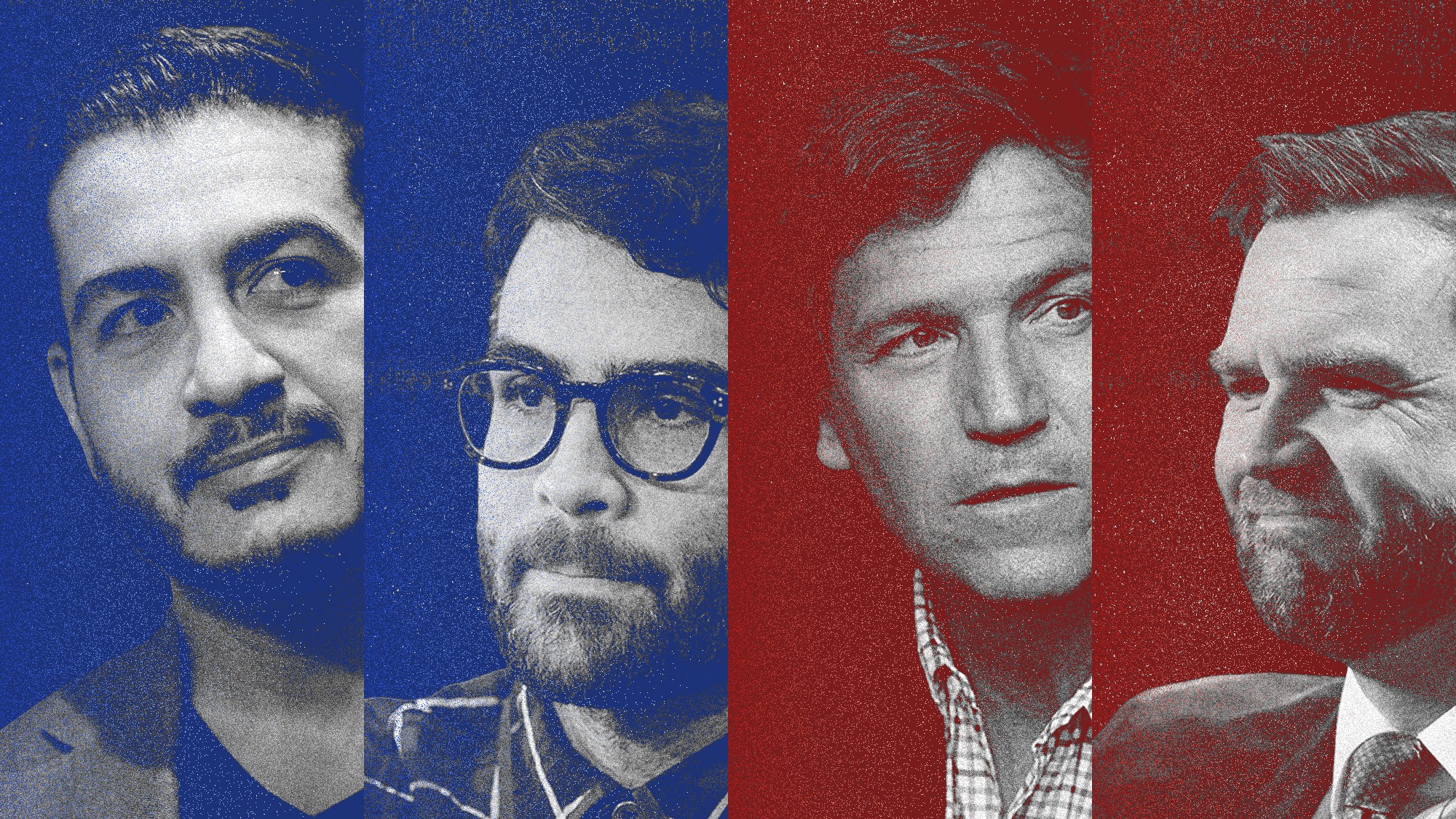
J.D. Vance and Abdul El-Sayed hold few ideological similarities, and their relationship seems strained. During a contentious campaign period, El-Sayed suggested Vance’s grandfather might disapprove of the vice president’s Indian American spouse. Vance responded with sharp personal attacks, calling El-Sayed "very, very evil" and warning him to keep his wife's name out of his mouth.
Despite their animosity, both men agree that using guilt by association as a cheap political tactic is reprehensible. El-Sayed has defended his decision to campaign with Hasan Piker, a controversial internet figure who has expressed anti-Semitic views and praised Mao Zedong as a great leader. Vance, meanwhile, is facing scrutiny over his friendship with Tucker Carlson, who has defended Holocaust deniers and made inflammatory comments about Jews.
Both men insist they are not willing to abandon their friends despite their differences. While El-Sayed and Vance argue that their friends are no different from those in their personal lives, they are public figures whose choices have broader implications. The practice of "guilt by association" echoes the infamous Senator Joe McCarthy, whose tactics led to the persecution of suspected Communists.
Politicians like Vance and El-Sayed face a dilemma in balancing their friendships with a responsibility to uphold truth and integrity. While avoiding harsh witch hunts, they must also be cautious about associating with individuals who espouse harmful viewpoints. The controversy surrounding their associations highlights the complex nature of political relationships and the challenges of maintaining objectivity in the face of strong personal bonds.
Written by urgent.news from The Atlantic's reporting — not their text. Machine-written — may contain errors; check the original before relying on it.