How BRICS seeks reform of global economic governance
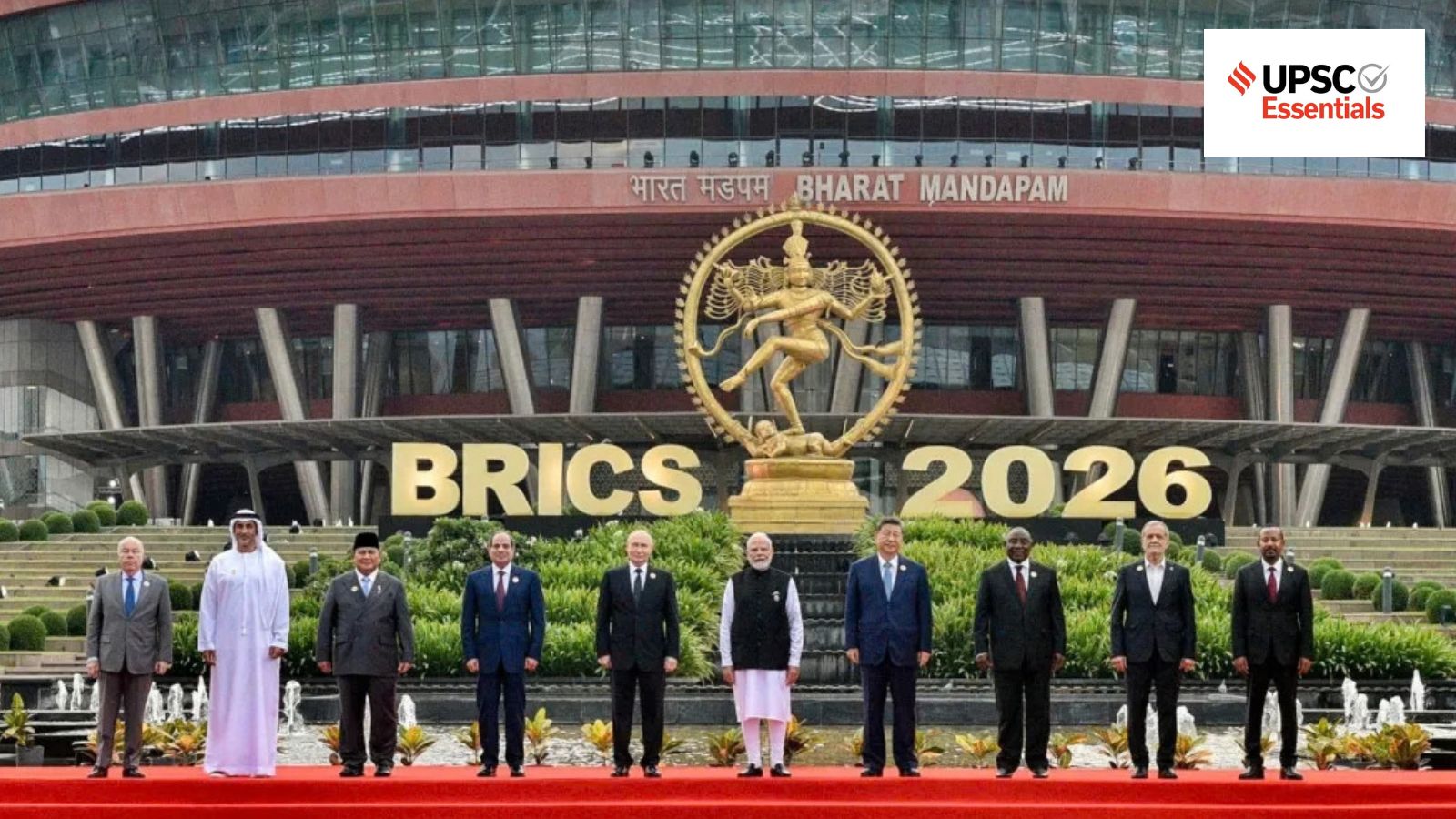
BRICS, a geopolitical grouping, is increasingly recognized for its focus on economic reform. During the 18th BRICS Summit in Delhi, the members reaffirmed their commitment to the 2030 Agenda for Sustainable Development and the multilateral trading system. They emphasized the need to reform global economic governance, condemn unilateral coercive measures, and cooperate on the new industrial revolution, digital transformation, resilient global value chains and efficient cross-border payment mechanisms.
A BRICS Task Force on Growth and Development was established under the Indian presidency, focusing on resilience, innovation, cooperation and sustainability.
Despite economic disparities, BRICS collectively outperformed the global average growth rate in the past two decades. They accounted for 42% of global income in 2024, up from 17% in the 1970s, and 28% of global GDP. BRICS members also contributed 53% of the Global South's trade. However, intra-BRICS trade remains modest, making up only 20% of South-South trade.
While some members, like China and India, have increased their dependence on BRICS markets, others remain less reliant. The Jaipur Consensus aims to advance trade, digital services, and sustainable economic partnerships, but a comprehensive trade agreement among BRICS members has yet to be established.
Written by urgent.news from The Indian Express's reporting — not their text. Machine-written — may contain errors; check the original before relying on it.