Funeral mask: A 2,000-year-old gold face covering designed to confuse the deceased's spirit so it didn't torment the living
This death mask is a spectacular example of goldwork from prehistoric Java, Indonesia.
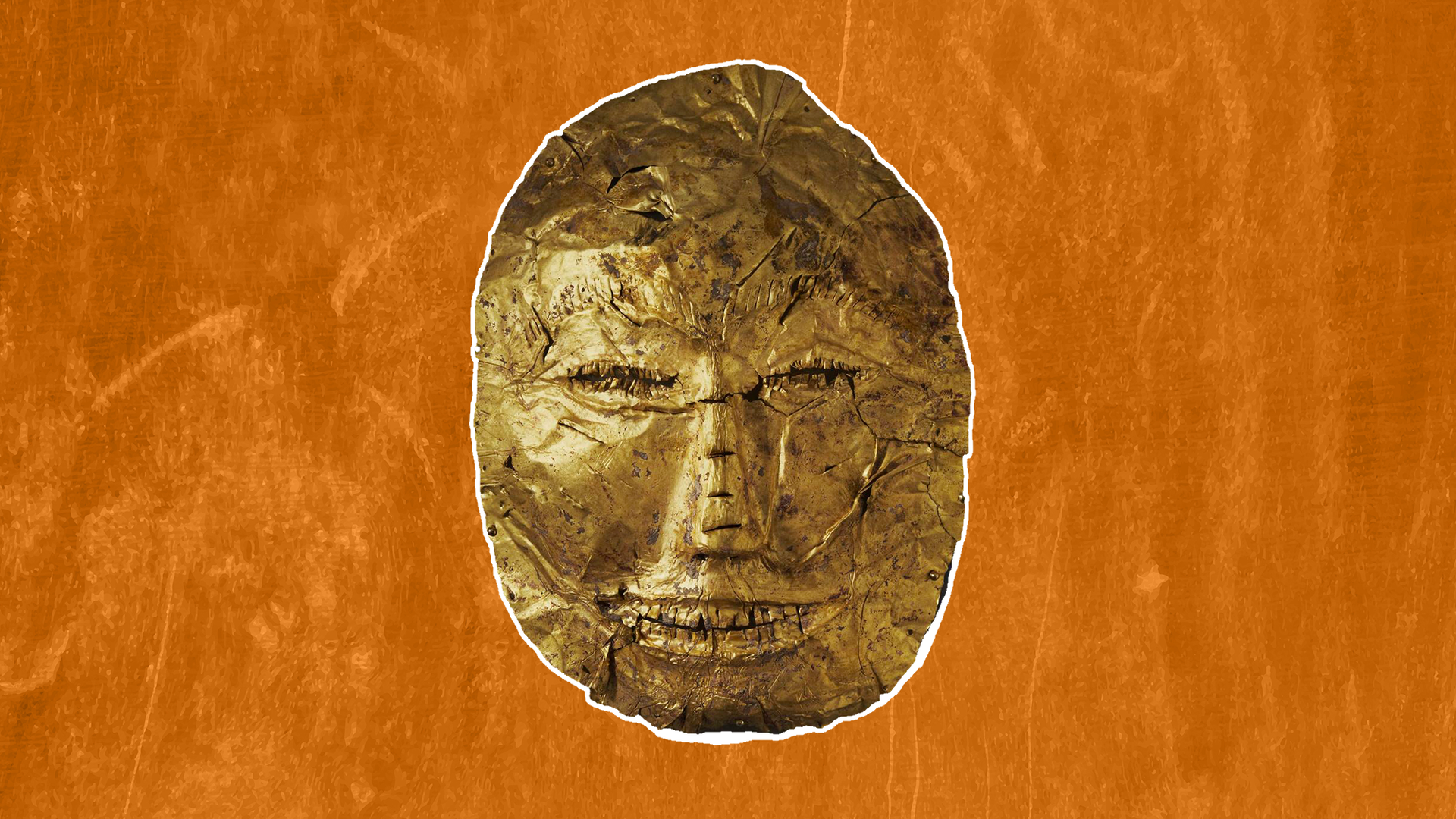
A 2,000-year-old gold funeral mask from Java, Indonesia, has been unearthed by archaeologists. This prehistoric artifact, measuring approximately 8.9 by 6.7 inches and weighing around 2.1 ounces, was crafted with intricate details, including openings at the mouth, eyes, and nostrils, as well as slits for eyebrows, eyelashes, and teeth.
The mask is believed to have been placed over the face of a corpse, possibly to confuse the deceased's spirit and prevent it from tormenting the living. The mask was likely created using gold sourced from nearby Sumatra or Borneo islands, hammered into a thin sheet, and then cut with a chisel. The creation of such masks was a part of prehistoric Javanese burial traditions, which were predominantly inhumation practices before the shift to cremation in subsequent periods.
These gold face coverings were prevalent in other parts of Southeast Asia, such as India and China, during similar burial customs. The purpose behind the creation of these masks remains a subject of debate among scholars, with theories suggesting that they were either realistic or idealized representations of the deceased, or that they were reserved for high-status individuals to distinguish them from commoners in the afterlife.
Additionally, ethnographic accounts propose that the masks may have been used to appease hostile spirits of the dead during funeral processions. This remarkable artifact is part of a larger collection of nearly 500 gold objects from Java, donated to the Yale University Art Gallery by collectors Hunter and Valerie Thompson in 2007.
Written by urgent.news from Live Science's reporting — not their text. Machine-written — may contain errors; check the original before relying on it.