From disaster to microchips: Pinatubo’s silicon-rich ash can power a semiconductor future, says study
Manila: For decades, Mount Pinatubo has symbolised catastrophe in the Philippines. The volcano, about 100km north of Manila, had been dormant for roughly 500 to 600 years. This long "sleep" lulled nearby communities into thinking the mountain was inactive. When it erupted on June 15, 1991, it unleashed one of the largest volcanic explosions of the 20th century. The blast was so powerful the cloud…
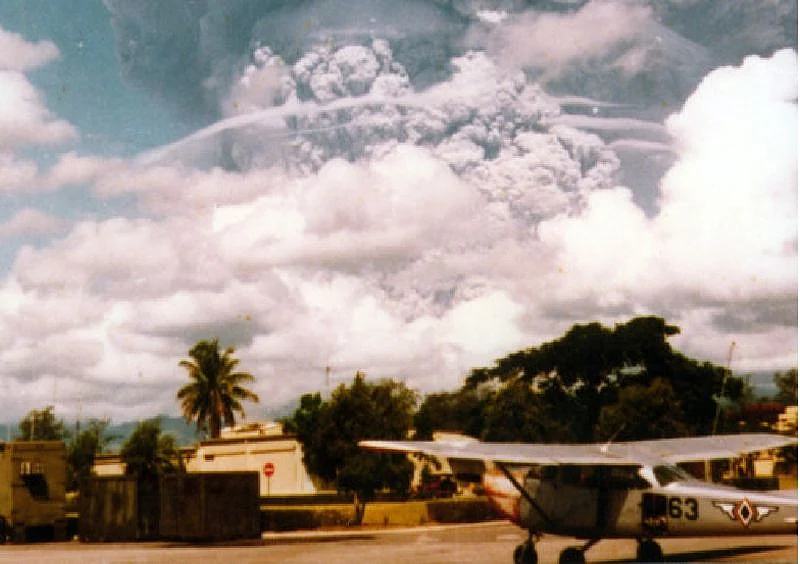
Mount Pinatubo's eruption in 1991 was one of the largest volcanic explosions of the 20th century, killing over 800 people and displacing more than 1.2 million. The ash and lahar deposits from the eruption are rich in silica, which could potentially be used for semiconductor manufacturing. However, the silica in the volcanic ash contains impurities that make it unsuitable for chip-grade silicon without extensive purification.
Studies have shown that silica extracted from Pinatubo's lahar could reach mid-90% purity through acid treatments and solvent extraction, but would still need further refinement to meet the 9N purity standard required for semiconductor manufacturing. While the idea of using Pinatubo's ash as a source of silica for the semiconductor industry is promising, the process of purification is technically challenging and capital-intensive.
Additionally, the dispersed location of the lahar deposits and existing mining activities present logistical and environmental challenges. Despite these hurdles, using existing lahar deposits could potentially reduce pressure on natural quartz reserves and offer a form of "productive remediation," turning a disaster into an economic asset for affected communities.
Written by urgent.news from Gulf News's reporting — not their text. Machine-written — may contain errors; check the original before relying on it.