ECB’s Lane says energy shock could delay inflation’s return to 2%
The European Central Bank (ECB) Chief Economist Philip Lane stated that the European economy will expand steadily at a moderate pace if the energy shocks ease, according to Le Temps.
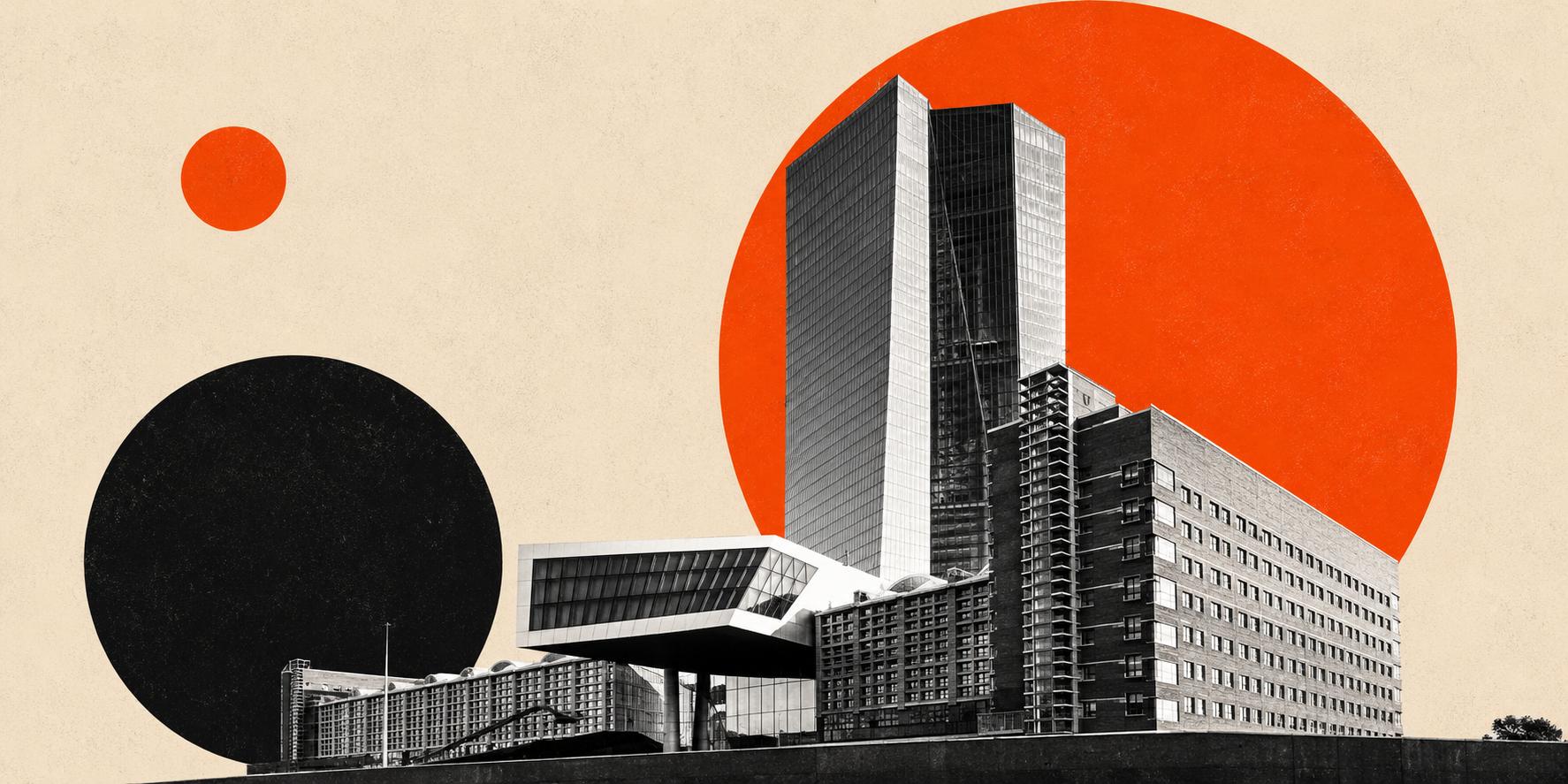
ECB Chief Economist Philip Lane indicated that the European economy is expected to grow steadily at a moderate pace if the energy shocks subside, reported Le Temps. According to Lane, a second increase in energy expenses will lead to inflation rising before it stabilizes towards the ECB’s 2% objective, beginning mid-2027. Currently, financial markets have anticipated around 35 basis points of rate tightening by the end of the year, but have fully expected a rate hike by the December 17 meeting, as per Prime Terminal.
The provided table displays the percentage change of Euro (EUR) against major currencies today, with the Euro demonstrating the strongest performance against the Canadian Dollar. The heat map illustrates percentage changes of major currencies relative to each other, with the Euro serving as the base currency. The European Central Bank, headquartered in Frankfurt, Germany, is the monetary authority for the Eurozone, responsible for setting interest rates and managing monetary policy.
Its primary goal is to maintain price stability, aiming for inflation to remain close to 2%. The ECB primarily achieves this objective through adjusting interest rates.
Written by urgent.news from FXStreet's reporting — not their text. Machine-written — may contain errors; check the original before relying on it.