ECB deploys Pontes platform to settle wholesale tokenized assets in central-bank money
The EU central bank's new wholesale platform connects DLT market infrastructure to its payment rails, separate from the retail digital euro pilot planned for 2027.
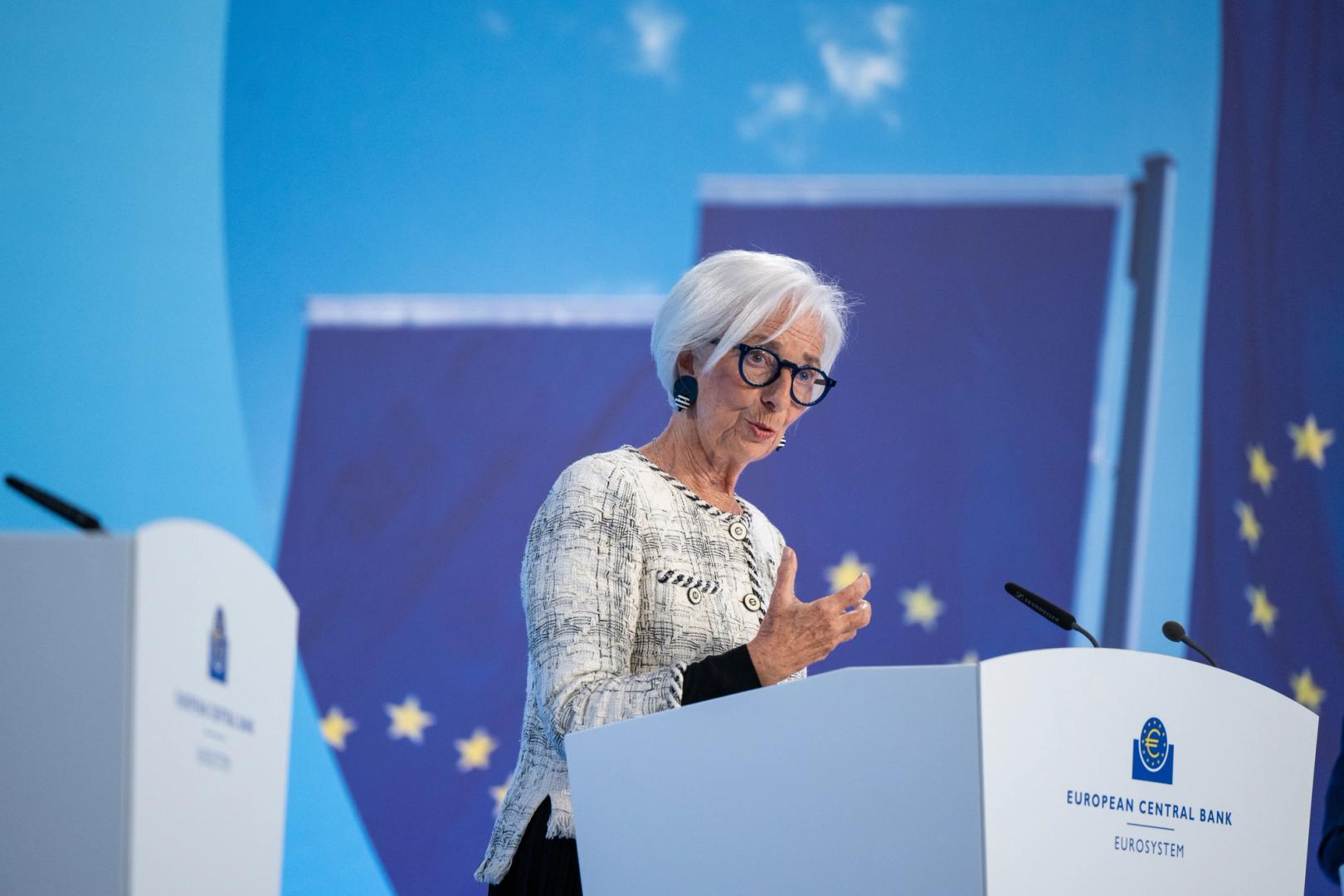
The European Central Bank (ECB) has introduced Pontes, a system designed to facilitate tokenised asset settlements in central bank money. Pontes enables wholesale transactions involving stocks, bonds, and other digital tokens recorded on distributed ledgers to settle directly in central bank reserves. This development addresses the lack of a risk-free settlement asset, which has historically hindered blockchain technology adoption.
The Eurosystem aims to create a more integrated, innovative, and resilient European financial market in the digital era.
Thirteen institutions, including Deutsche Bank, Santander, Société Générale, KfW, and the European Investment Bank, have onboarded Pontes and are prepared to utilize the system immediately. Additionally, four ledger operators, such as Clearstream, are also ready to participate. The ECB intends to become a user of Pontes as well, having started preparatory work to invest a portion of its own funds in tokenised securities.
These purchases will be settled through Pontes, with the initial focus on euro-denominated debt issued by euro area governments, regional authorities, agencies, and European supranational institutions.
Richard Baker, founder and CEO of Tokenovate, highlighted that Pontes brings tokenised markets closer to the core of Europe's financial infrastructure. While Pontes initially operates within existing market hours, the long-term objective is to support continuous, potentially 24/7 settlement. American markets, on the other hand, have advanced more rapidly, with the New York Stock Exchange developing a blockchain-based venue for trading tokenised shares and funds around the clock, and BlackRock running a tokenised money market fund since 2024.
Pontes will reach its full capability, including longer operating hours and enhanced features, by 2028. The European digital currency, the digital euro, is a separate project aimed at retail users, allowing them to make everyday payments directly in central bank money. Although further from reality, the European Parliament's economic committee approved the project in June, launching negotiations with member states.
Final legislation is expected by the end of 2024, with a pilot involving 36 payment providers commencing in September 2027 and first issuance possible in 2029.
Written by urgent.news from Euronews's reporting — not their text. Machine-written — may contain errors; check the original before relying on it.
This story
This is one outlet's version. Read the fullest account.