Dangote’s IPO heralds Nigeria’s $100 billion energy, mobility capital
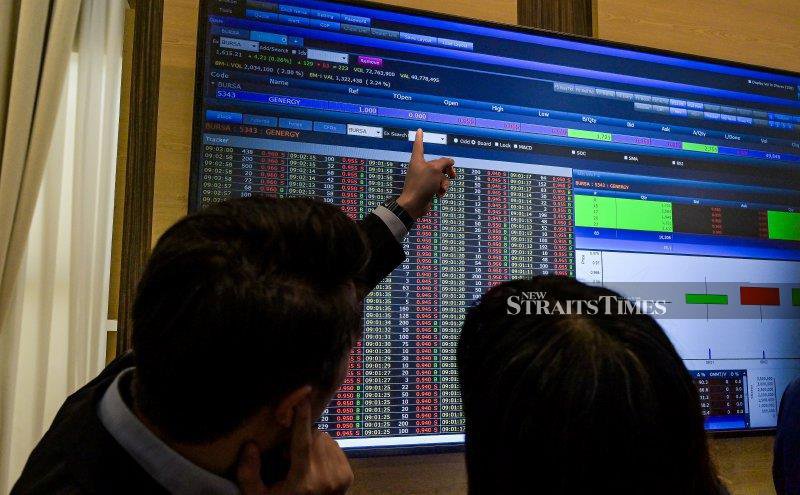
On September 14, 2026, Dangote Petroleum Refinery and Petrochemicals opened what is being described as Africa’s largest Initial Public Offering (IPO), offering 4.1 billion shares at N525 apiece to raise roughly N2.15 trillion, about US$1.6 billion at an implied valuation of nearly US$47.6 billion. That number is extraordinary. But its real significance has little to […]
On September 14, 2026, Nigeria witnessed its largest Initial Public Offering (IPO) with the opening of the Dangote Petroleum Refinery and Petrochemicals. The IPO saw the issuance of 4.1 billion shares at N525 each, raising an estimated N2.15 trillion, or roughly US$1.6 billion, with an implied valuation of nearly US$47.6 billion.
While the IPO's size is impressive, its true impact lies in how it demonstrates that Nigerian infrastructure can be transformed into an investable asset class, attracting billions of dollars from domestic and international investors.
The real opportunity, however, lies in Nigeria's renewable energy sector, particularly in solar power, battery storage, and electric mobility. The Dangote Refinery, which currently generates around 700,000 barrels a day, is expected to expand to 1.4 million barrels a day. In July 2026, additional US$2.5 billion was invested through a private placement led by the Africa Finance Corporation.
This shows that large capital investments lead to the creation of large, productive assets, which in turn generate cash flow and attract more capital, fueling further infrastructure development.
Nigeria's renewable energy potential is vast. The country receives approximately 5.5 kWh of solar irradiation per square meter daily, with solar installations growing by 45% in 2024. The theoretical solar resource is estimated at around 427 gigawatts, yet solar currently provides less than two percent of the country's electricity mix. This gap between potential and actual usage presents a significant financing and scaling opportunity for private capital.
A more immediate opportunity lies in utilizing existing infrastructure. Nigerian businesses already spend heavily on diesel, petrol, and unreliable grid power. By transitioning to solar, these businesses can convert an operating expense into an infrastructure cash flow, making the investment more attractive than simply purchasing panels.
Integrating storage solutions completes the picture, turning solar generation into a reliable service that can meet the energy demands of factories, hotels, hospitals, malls, telecom sites, and warehouses, effectively turning these assets into infrastructure cash flow generators.
Nigeria's electric mobility market is also burgeoning. The Rocky Mountain Institute estimated around 20,000 electric vehicles (EVs) in Nigeria by the end of 2025, with a projected need for 1,500 to 35,000 charging or battery-swapping installations by 2040. Each charging or battery-swapping station combines solar generation, battery storage, hardware, software, payments, and fleet contracts into a single asset, creating a new infrastructure opportunity layered on top of the renewable-energy one.
Picture a network of solar-powered mobility hubs stretching from Lagos to Abuja, Ibadan to Benin, and Abuja to Kaduna, each site generating recurring revenue from passenger cars, logistics fleets, buses, and motorcycles.
Capital should follow utilization, focusing on high-demand areas such as commercial vehicles, which generate more charging demand than parked private cars. Early investments in ride-hailing, logistics, corporate transport, and electric buses will lay the foundation for an entire ecosystem, including charging infrastructure, battery capacity, financing, insurance, maintenance, and fleet management.
This opportunity extends well beyond vehicle sales, presenting a $50 billion question: can Nigeria's renewable and mobility assets collectively reach such a valuation? The transition will be driven by the mobilization of patient capital and its efficient deployment across thousands of distributed, modular, and scalable assets, rather than by whoever installs the most panels.
Written by urgent.news from Daily Trust's reporting — not their text. Machine-written — may contain errors; check the original before relying on it.
This story
This is one outlet's version. Read the fullest account.