Beyond vehicle age: Why Ghana needs a smarter vehicle import policy
The Ghana Standards Authority’s decision to strengthen enforcement of vehicle import standards from October 1, 2026, including restrictions on used vehicles above 15 years old, deserves serious national discussion. The objectives—safer roads, cleaner air, better consumer protection and a more responsible automotive industry—are legitimate and necessary. However, age alone should not become the…
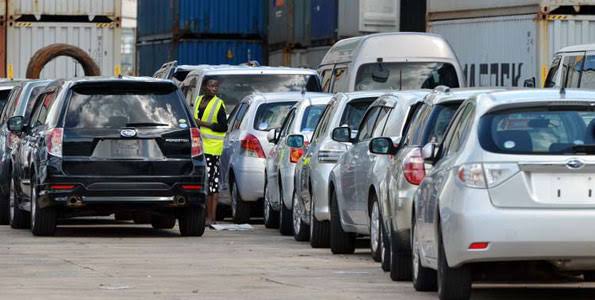
The Ghana Standards Authority plans to tighten vehicle import standards from October 2026, including restrictions on used cars older than 15 years. While this aims to improve road safety, air quality, consumer protection and industry responsibility, age alone should not be the sole determinant of a vehicle's safety or reliability. Even newer vehicles can be unsafe if not properly maintained. The real question should be about the vehicle's condition rather than its age.
Ghana imports about 90% used vehicles, mostly those that are damaged, unsafe or polluting. A rigid age limit could negatively affect the economy, increase costs for consumers and businesses, and disrupt the automotive supply chain. Therefore, Ghana should focus on removing unsafe, polluting vehicles from the market while making vehicle ownership safer and more affordable in the long run.
To achieve this, Ghana should move from an age-based approach to a condition-and-compliance approach. This means inspecting vehicles for their structural integrity, braking, steering, tyre, lighting, emissions, safety systems and maintenance history. Every imported used vehicle should undergo a thorough inspection in its country of origin before shipment. Vehicles with serious accident, flood or fire damage, structural issues or tampered identification should be rejected.
Vehicle emissions testing should be made enforceable, measuring actual emissions rather than assuming older vehicles are more polluting. A transparent vehicle-health grading system could be established, rating each used vehicle based on technical criteria. This would inform consumers about the vehicle's condition before purchase. Progressive penalties could be applied to vehicles that meet safety and emissions requirements, rather than applying the same restrictions to all older vehicles.
Finally, Ghana should strengthen its local automotive capacity alongside import restrictions. This includes providing affordable financing, improving local assembly and spare parts availability, offering technical training and after-sales support, and creating incentives for fleet renewal. By integrating vehicle-import policy with local production, maintenance, skills development and affordable financing, Ghana can achieve safer, cleaner and more affordable mobility for all citizens.
Written by urgent.news from MyJoyOnline Ghana's reporting — not their text. Machine-written — may contain errors; check the original before relying on it.