Beyond Ukraine: Why Europe is preparing for a wider conflict
Something is spooking Europe. This week, Belarus, Russia’s closest military ally, conducted large exercises near the Suwałki Gap, the narrow corridor connecting the Baltic states to the rest of NATO. The geography that has long made it one of NATO’s most vulnerable points. French President Emmanuel Macron summoned France’s political leaders for a confidential intelligence … The post Beyond…
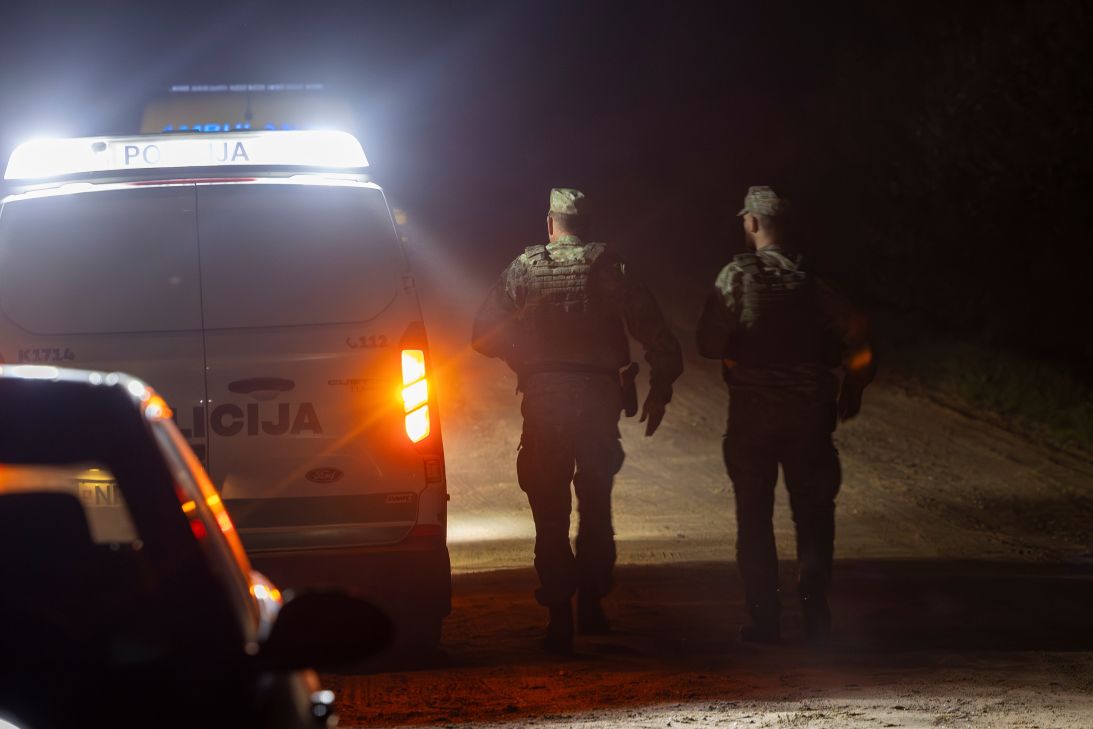
Europe is bracing for a larger conflict beyond the current war in Ukraine, as various nations prepare for potential Russian aggression. Belarus, Russia's closest military ally, recently conducted large-scale military exercises near the Suwałki Gap, a narrow corridor between the Baltic states and NATO. This has raised concerns about NATO's vulnerability in this region.
French President Emmanuel Macron convened a confidential briefing with French political leaders and announced new measures to safeguard critical infrastructure from Russian hybrid attacks. Polish Prime Minister Donald Tusk warned that Russia might launch drone or missile attacks against NATO countries and disguise them as accidents. The United Kingdom has advised citizens to prepare for war, stockpiling canned foods and drinking water. Defense officials in Britain described this as the "most dangerous" period in decades.
Germany is preparing hospitals for a potential Russian attack, with Chancellor Friedrich Merz warning of "decisive moments" in defending the continent's freedom and peace. Even Switzerland, known for its neutrality, adopted a new national security strategy emphasizing resilience and the ability to defend itself against armed attacks.
U.S. President Donald Trump announced progress toward establishing a permanent U.S. Army base in Poland and dispatched CIA Director on a secret mission to warn Moscow against attacking NATO territory. Reports indicate that Russian President Vladimir Putin may soon expand his war beyond Ukraine, as evidenced by the recent arrest of five individuals allegedly working with Russian intelligence in a network plotting attacks and murders worldwide, including in the U.S.
The broader pattern of Russian aggression includes cyberattacks, sabotage, arson, drone strikes, and attacks on critical infrastructure across Europe. Germany has blamed Russia for a drone attack at a civilian airport. The strategic challenge for NATO is Russia's ability to conduct such operations without clearly entering conventional war, using "gray zone" tactics to test NATO resolve while maintaining ambiguity and denial.
The Suwałki Gap, a 65-mile border between Poland and Lithuania, represents a critical vulnerability as it is the only land connection between NATO's Baltic states and the rest of NATO, making it a potential point of contention if Russia escalates further.
Written by urgent.news from Egypt Independent's reporting — not their text. Machine-written — may contain errors; check the original before relying on it.