Beyond 'Make in India': How India is trying to build a military it can truly call its own
India's defence establishment has spent the past year pushing an ambitious self-reliance agenda, shifting from "Make in India" toward "Owned by India." Key reforms include DAP 2026, domestic procurement allocation raised to 75%, new Buy Global-Manufacture in India and Make-III categories, and MSME-reserved acquisitions. The Defence Acquisition Council cleared 55 proposals worth Rs 6.73 lakh…
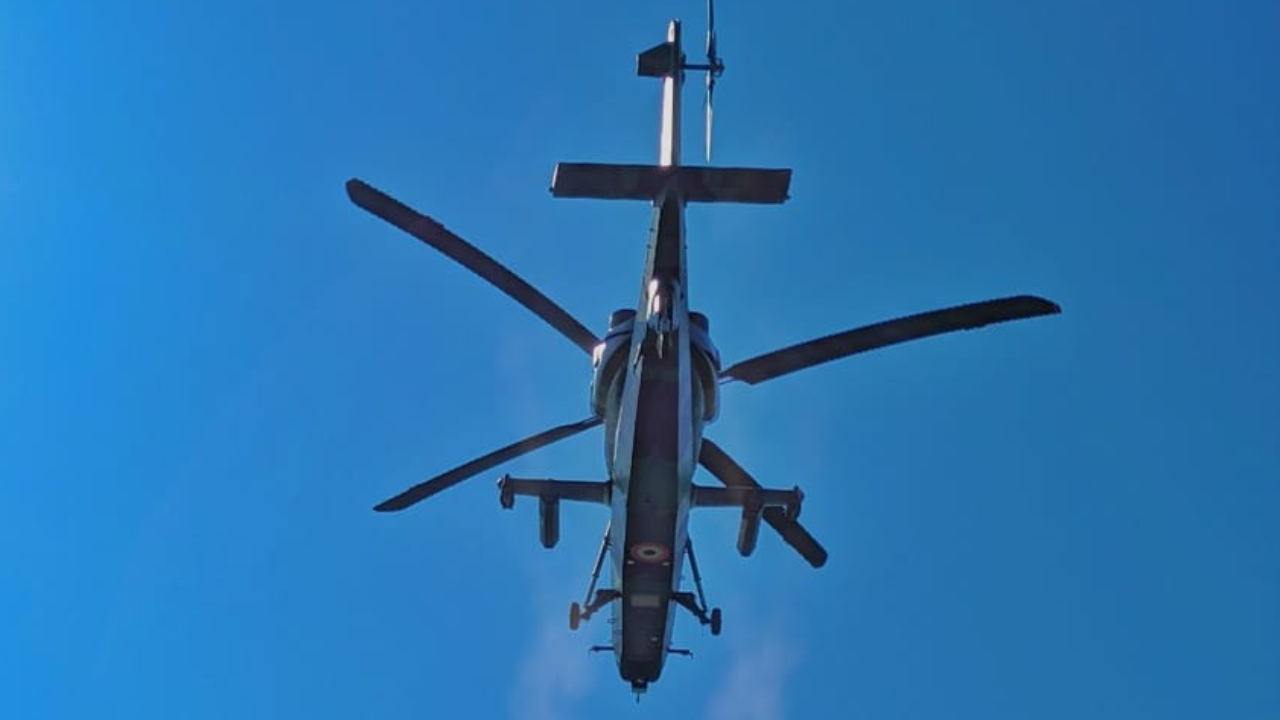
In the face of a volatile global landscape, India's government has become increasingly focused on strengthening the nation's military capabilities and reducing dependence on foreign-made weapons. This shift, now described as "Owned by India," goes beyond the familiar "Make in India" slogan and aims to achieve a higher level of self-reliance, referred to as "Owned by India."
Defence experts have been working tirelessly to accelerate modernisation efforts. The Defence Acquisition Procedure (DAP), first introduced in 2020, underwent a comprehensive review in 2025 with the draft DAP 2026 emphasizing realistic self-reliance, improved business processes, and faster acquisition of rapidly evolving technology through spiral acquisition. This approach involves procuring equipment in phases instead of waiting for a finished, static product.
The government has made significant policy changes to boost the country's defence industrial base. Capital allocation for domestic procurement has been increased from 58% to 75%, with a dedicated quarter specifically reserved for private industry. This move ensures Indian manufacturers a predictable share of the defence market. Additionally, a new "Buy Global, Manufacture in India" category encourages foreign original equipment manufacturers to establish subsidiaries and manufacturing facilities within India, further integrating critical components and spares into the domestic defence industry.
To support innovation, the government has linked its innovation schemes more closely with procurement processes. The iDEX and Technology Development Fund schemes, previously primarily research initiatives, now directly feed into fast-tracked Acceptance of Necessity (AoN) approvals. Successful startup prototypes can move straight into procurement, with participating startups guaranteed up to five years of assured orders upon technology validation.
The Make-I category, governing indigenous prototype development, has also been simplified, providing 70% funding for prototype development costs and opening up previously restricted testing facilities to private industry, reducing financial risks associated with defence R&D.
Written by urgent.news from Times of India's reporting — not their text. Machine-written — may contain errors; check the original before relying on it.
Also reported by 1 other outlet
- Can India build its own Big Four? Rulebook battle on economictimes.indiatimes.com