Berlin-Wahl: Wie kann eine linke Regierungsbildung in Berlin funktionieren?
Für ihren Einzug ins Rote Rathaus muss Linken-Politikerin Elif Eralp eine Koalition mit Grünen und SPD schmieden. Können sie die Vergesellschaftung mittragen und über Vorwürfe hinwegsehen?
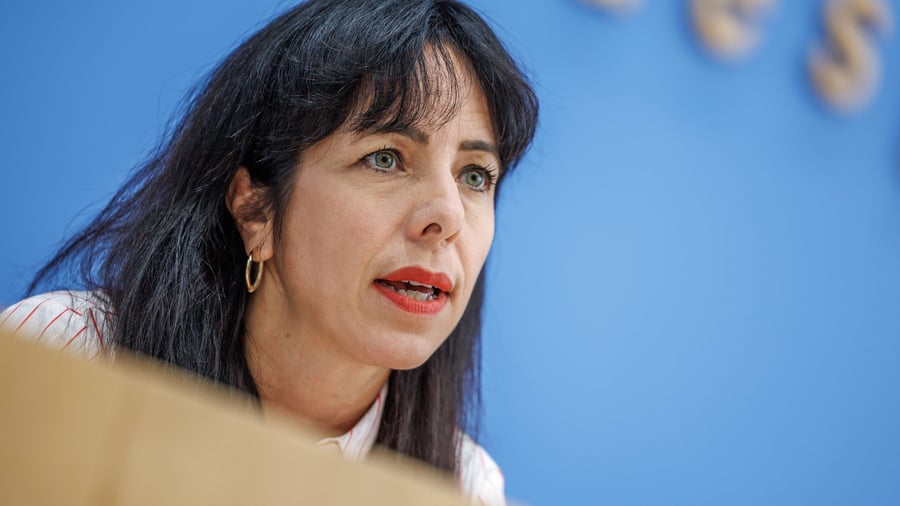
Berlin's left-wing party, Die Linke, secured a strong victory in the recent city council elections, winning 25.7% of the vote, surpassing their 2023 result by 13.5 percentage points. They have edged closer to forming a government, overtaking the incumbent CDU with nearly seven percentage points. Party leader Elif Eralp expressed her ambition to lead the left-wing government, aiming to become the first female mayor of Berlin.
She proposed a three-party coalition with the Greens and the SPD as the broadest intersection. Key demands for the left include a one-year rent freeze for municipally-owned housing, a "Secure Housing Law" that would obligate large landlords to provide affordable housing to low and middle-income households, and the collective management of large real estate conglomerates' property.
However, conflicts may arise, particularly regarding housing. Eralp criticized proposals for a new popular vote on specific legislation, stating that Berliners should decide on this matter themselves, as they were committed to the 2022 popular vote. Manès Weisskircher, a political scientist and party researcher from the TU Dresden, warned of the complexity of the process, both legally, administratively, and financially.
The Greens are likely to avoid a coalition with the left due to internal disputes over the collective management of large housing groups. While the left party has won the elections, Eralp must now show the left's viability for government. Green leaders expressed support for trying the left in government, but highlighted the importance of confronting antisemitism within the party.
The SPD, led by Bärbel Bas, expects a clear stance against antisemitism from Eralp and all members of the new left faction in the city parliament. Eralp presented a five-point plan to protect Jewish life and assured that new deputies would adhere to the decisions of the party leadership. However, some left party members in party circles are hesitant about government involvement, fearing inner-party dissatisfaction.
Many members, particularly the younger and more activist ones, fear that the party cannot fulfill their demands in the Red City Hall.
Written by urgent.news from Handelsblatt's reporting — not their text. Machine-written — may contain errors; check the original before relying on it.