Barack Obama and the ‘Most Electable’ Myth
The candidate perceived as the riskiest choice can sometimes offer the clearest path to power.
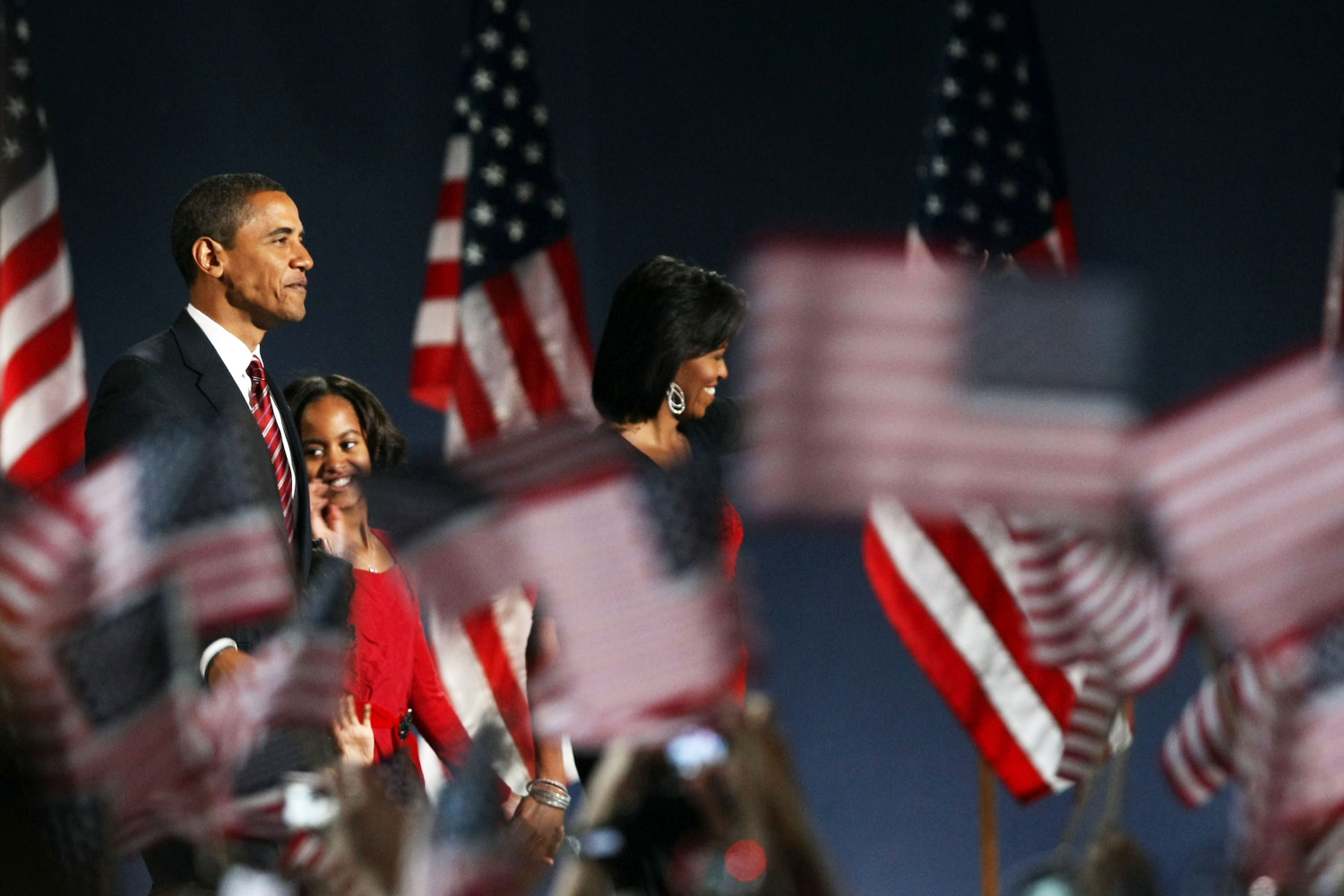
The allure of identifying the "most electable" candidate for the 2028 presidential race is proving to be a challenge for Democratic Party leaders. As the November midterms conclude and the primary season commences, political professionals are set to employ armies of pollsters to analyze the latest data and statistics for every candidate vying for the nomination.
Their primary objective is to reclaim power from President Donald Trump and the MAGA Republican movement, a task that takes precedence over policy and ideological debates.
Determining the "most electable" candidate, however, is seldom straightforward. Throughout U.S. history, numerous candidates have been underestimated as unelectable but ultimately emerged victorious in both their party's nomination and the presidency. These examples include Jimmy Carter in 1976, Ronald Reagan in 1980, and Barack Obama in 2008. Each of these individuals defied expectations and went on to shape the course of U.S. politics.
Barack Obama's 2008 campaign stands out as a particularly compelling example of an ostensibly "unelectable" candidate succeeding. Facing racial history and assumptions about the unlikelihood of a Black man winning the presidency, Obama defied convention by defeating Hillary Clinton in the primaries and ultimately winning the general election against John McCain.
His victory serves as a powerful reminder of the risks associated with relying solely on the perception of a candidate's electability. In some cases, the candidate perceived as the riskiest choice may offer the clearest path to power.
Written by urgent.news from Foreign Policy's reporting — not their text. Machine-written — may contain errors; check the original before relying on it.