As AI safety fears mount, can a US-China hotline prevent a global crisis?
The United States and China’s agreement to establish an official AI dialogue, including a proposed threat-notification system, marks a pragmatic step towards crisis prevention in their tech war, even as deep-seated divisions over chip access, model distillation and market dominance threaten to limit its impact, analysts said. Announced following high-level talks in New York on Sunday between US…
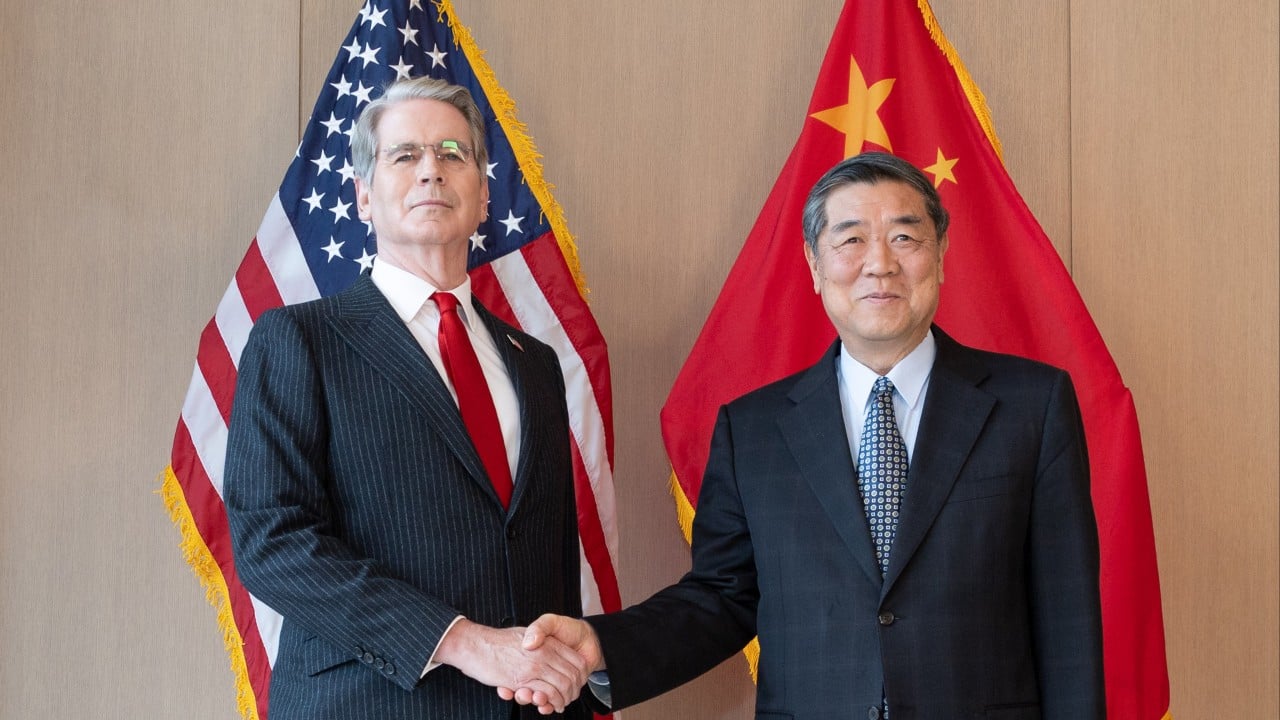
The United States and China recently agreed to establish an official AI dialogue, which includes a proposed threat-notification system, as a pragmatic step towards preventing a global crisis caused by their tech war. Analysts noted that despite deep-seated divisions over chip access, model distillation, and market dominance, the agreement could be a good start in bridging the structural policy and commercial gaps between the two AI superpowers.
However, Su Lian Jye, chief analyst at Omdia, cautioned that the dialogue alone would not resolve fundamental conflicts of interest, such as distillation, pricing competition, and AI pacing. The AI dialogue comes as tensions between Beijing and Washington have escalated sharply in recent months, with Washington accusing China of using "distillation" to replicate the capabilities of advanced American AI systems.
Chinese AI firms have challenged the US giants by offering strong performance at aggressive pricing, entering global markets and challenging established players like OpenAI and Anthropic. The rapid pace of model launches from both sides has raised concerns about whether AI capabilities are outpacing risk containment safeguards. Leading US companies advocate for "AI pacing" to regulate the deployment of advanced models, warning of potential existential risks.
The agreement marks a shift from previous AI risk discussions, as it focuses on an operational approach with a proposed notification mechanism for serious AI security incidents. While the dialogue could potentially lead to a global AI governance framework, analysts emphasized that the success of such a framework hinges on establishing risk classifications, notification triggers, response protocols, and regular review procedures.
Written by urgent.news from South China Morning Post's reporting — not their text. Machine-written — may contain errors; check the original before relying on it.