Another Punjab man attempts suicide over drug menace; Opposition jabs AAP
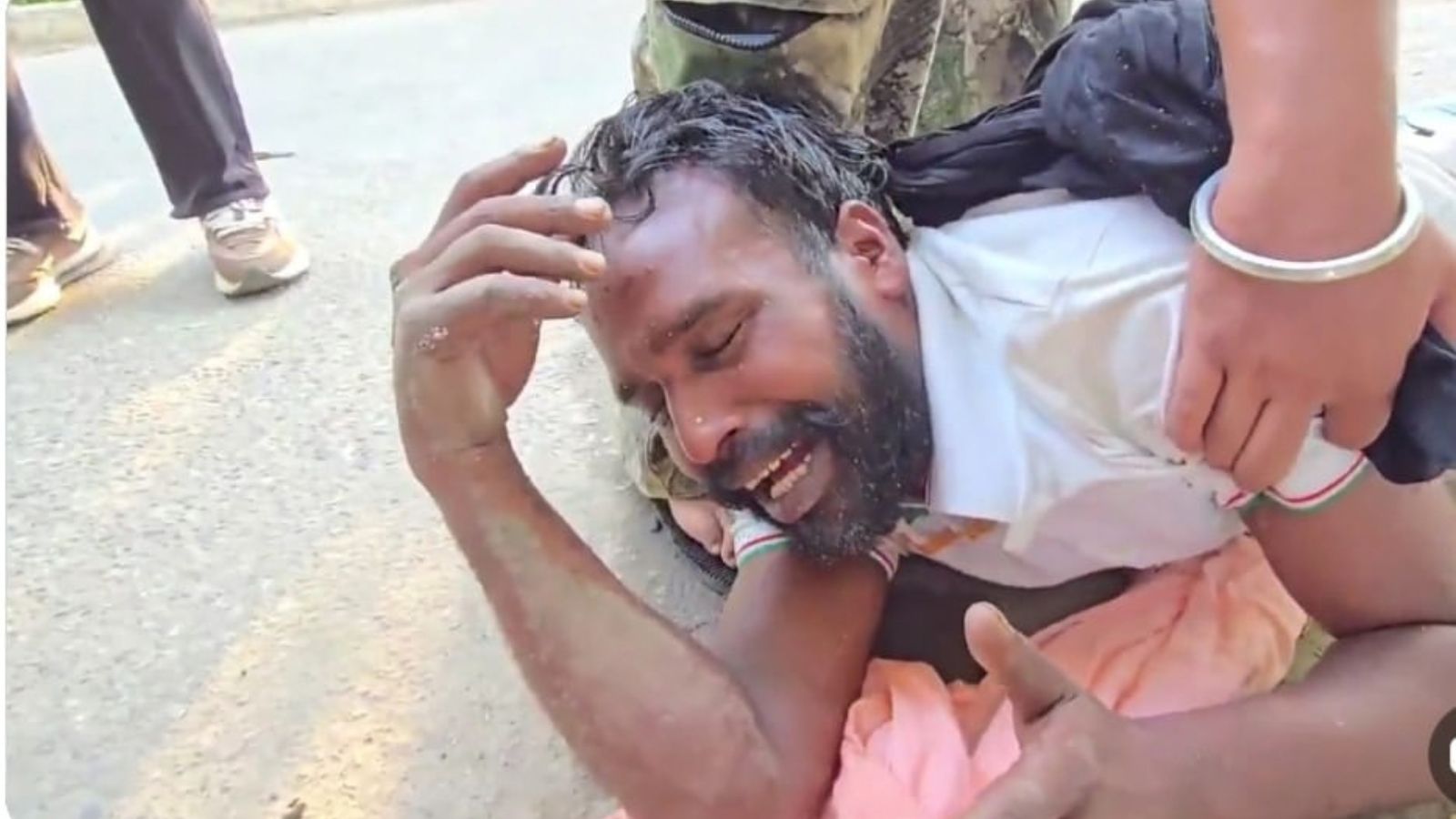
Punjab’s ongoing drug crisis has proven resilient against numerous eradication efforts and has resurfaced ahead of each election cycle. The BJP, vowing to campaign in all 117 constituencies, has launched the inaugural leg of a four-part “Nasha Mukt Punjab” tour, asserting its pledge to tackle the issue. The campaign’s trajectory spans roughly 4,000 kilometers and is set to conclude in Jalandhar on September 30, where Union Home Minister Amit Shah is slated to deliver a speech.
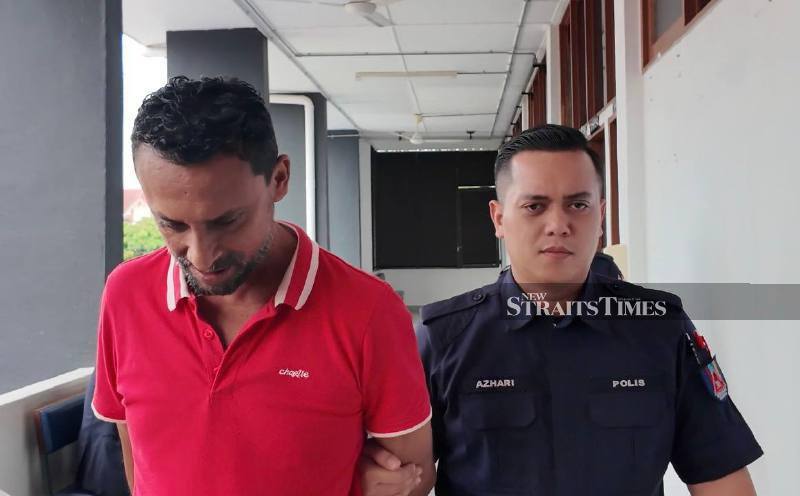
The Congress Party, in response, organized a protest in Chandigarh following the suicide of a laborer named Gulzar Singh, who confronted Finance Minister Harpal Singh Cheema about the drug problem and subsequently took his own life. The Akali Dal (Waris Punjab De) has also elevated drug-related issues to the forefront of their campaign platform in recent months.
Historically, Punjab’s location along the Golden Crescent and its 550-kilometer border with Pakistan have been identified as contributing factors to the drug problem. However, the trade has evolved to transcend geographic boundaries, utilizing drones for transportation, leveraging other states as transit hubs, and increasingly relying on pharmaceutical drugs due to their affordability, accessibility, and traceability challenges.
Despite the Punjab Aam Aadmi Party’s (AAP) “Yudh Nasheyan Viruddh” initiative, which commenced in March 2025 and has resulted in numerous arrests and seizures, the influx of drugs continues unabated. This has led to devastating consequences for families and has pushed many Punjabi youths to seek better prospects elsewhere.
While acknowledging the critical role of familial involvement in prevention and recovery efforts, the state cannot shirk its own responsibilities. To combat the drug trade effectively, Punjab must dismantle the criminal networks behind the operations, pursue those involved in financing and supplying the drugs, and provide comprehensive treatment and rehabilitation services for those ensnared in addiction.
With a history of empty promises, Punjab now requires a substantive approach that extends beyond mere arrests and seizure counts. It must delve into the underlying issues—including the financial underpinnings, logistical routes, and systemic deficiencies—that sustain the drug trade. The government must also prioritize accessible treatment, persistent rehabilitation programs, and the creation of opportunities for young individuals to reinvent their futures.
As the 2027 elections loom, the persistence of the drug problem is poised to scrutinize the AAP government’s track record. However, the more pressing issue lies with Punjab’s political leadership: they must transform their recurrent election promises into enduring policy initiatives.
Written by urgent.news from The Indian Express's reporting — not their text. Machine-written — may contain errors; check the original before relying on it.
This story
This is one outlet's version. Read the fullest account.
- Punjab’s drug scourge needs policy, not slogans indianexpress.com