Alzheimer's patients show elevated active meprin-β in brain and cerebrospinal fluid
A team from the Altered Molecular Mechanism in Alzheimer's Disease and Dementia laboratory, led by Javier Sáez Valero, a researcher at the Institute for Neurosciences (IN), a joint center of Miguel Hernández University of Elche (UMH) and the Spanish National Research Council (CSIC), has identified increased levels of the protein meprin-β in the brain and cerebrospinal fluid of people with…

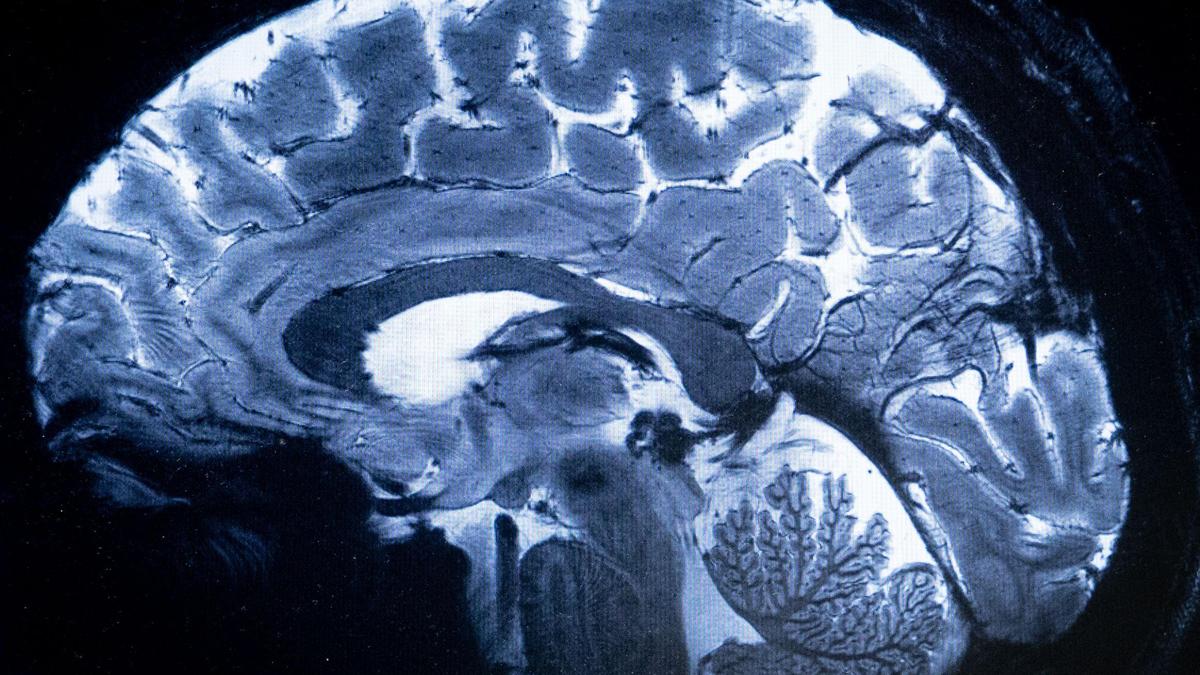
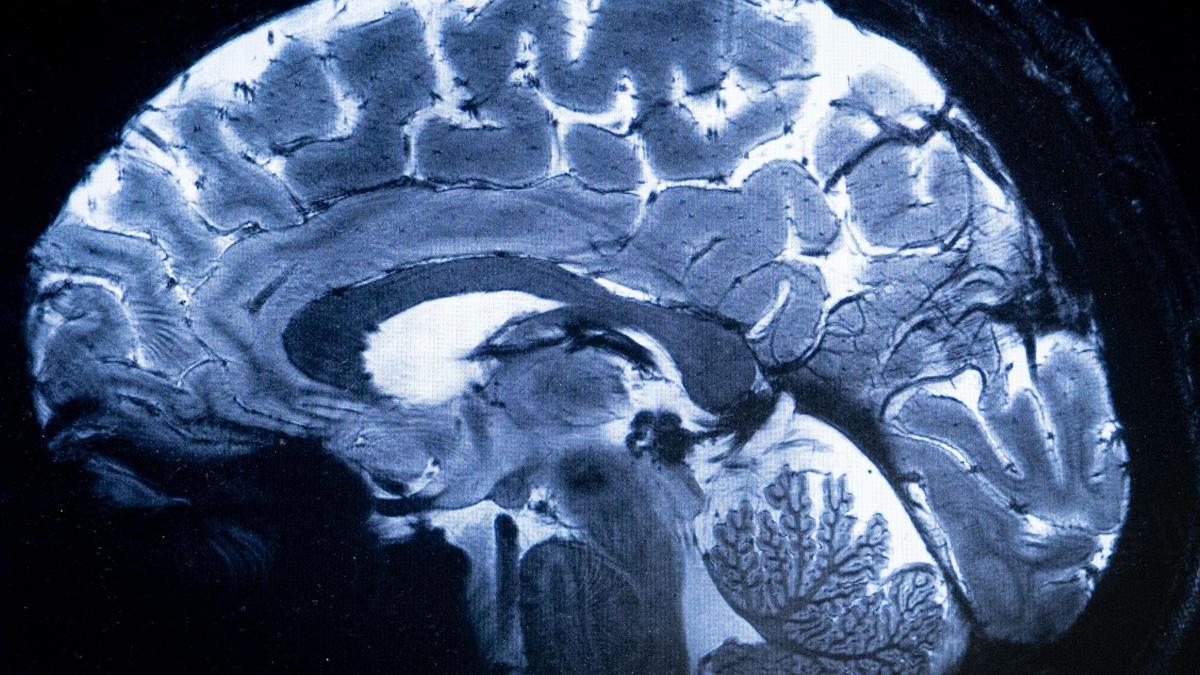
A research team from the Altered Molecular Mechanism in Alzheimer's Disease and Dementia laboratory has discovered elevated levels of the protein meprin-β in the brains and cerebrospinal fluid of people with Alzheimer's disease. Published in Alzheimer's Research & Therapy, the study reveals that the active form of this protein is higher in advanced stages of the disease, correlating with increased beta-amyloid accumulation, one of the disease's hallmarks.
Meprin-β is an enzyme that can exist in different forms, and the researchers examined its immature, inactive form and its mature, active form separately. The findings show that meprin-β levels rise in more advanced stages of Alzheimer's disease, while this increase was not observed in the early stages. Additionally, the team detected an increase in the messenger RNA (MEP1B) for producing meprin-β at intermediate and advanced stages.
The elevated meprin-β levels in cerebrospinal fluid, obtained through a lumbar puncture, suggest its potential as an indicator of the disease. The researchers propose that meprin-β could be involved in processes related to amyloid precursor protein (APP) processing, although further studies are required to confirm this link and explore its potential as an indicator of Alzheimer's disease.
Written by urgent.news from Medical Xpress's reporting — not their text. Machine-written — may contain errors; check the original before relying on it.
Also reported by 1 other outlet
- MRIs show brain changes linked to Alzheimer’s years in advance sciencenews.org