Abschreibungen, Proteste, Personalwechsel: Bei Volkswagen spitzt sich die Lage zu
Der Konzern muss seine Planungen redimensionieren und verliert einen wichtigen Manager an einen Konkurrenten. Dass dessen Eigentümer aus China stammt, ist bezeichnend.
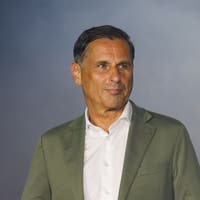
Volkswagen is facing mounting difficulties, marked by write-offs, protests, and personnel changes. Particularly noteworthy is the departure of an important manager to a competitor, with the owner hailing from China. As former head of Skoda, Klaus Zellmer possessed qualities rare among his German counterparts in the Volkswagen group.
Last year, Zellmer claimed that Skoda operated a successful business model with lean cost structures, enjoying high revenues and profitability. The struggling core brand VW can look to Skoda as a benchmark. Zellmer will now observe Volkswagen's future from afar. Swedish automaker Volvo announced on Sunday that its 59-year-old CEO, Klaus Zellmer, will step down by October of the following year.
This is a painful exit during turbulent times for Volkswagen. Earlier Friday, the company revealed its earnings would be significantly worse than previously anticipated. However, it's also a symbolic change, as Swedish Volvo has been predominantly known for solidity and safety for decades. The company, founded by Li Shufu, was acquired by Chinese conglomerate Geely in 2010, marking the beginning of an extensive expansion into Europe.
Today, Geely holds significant stakes in British luxury brands Lotus and Aston Martin, as well as a 10 percent stake in Mercedes-Benz through a holding company. Volvo has faced recent challenges, including software issues and an overly aggressive shift to electric vehicles. In response to the crisis, the company brought back former CEO Hakan Samuelsson from retirement in early 2025.
Samuelsson announced the elimination of around 3,000 jobs, continued hybrid vehicle production, and deeper collaboration with the parent company, including purchasing efforts. He also hinted at the construction of thirteen new models by 2030, aiming to double the current sales return rate from 3.5 percent to 8 percent. Zellmer now faces the task of making the entire Volkswagen group as profitable as the Czech brand Skoda.
Despite the recent setbacks, Zellmer aims to achieve similar profitability across the entire Volkswagen group. However, the path to this goal remains unclear. Volkswagen's revenue return for this year is projected to be around 1 percent, far below the previously expected range of 4 to 5.5 percent. The downturn has been primarily caused by over €10 billion in one-time expenses, including higher severance costs from a downsizing program and a sharp decline in sales in China, which accounts for 6 billion euros in revenue.
Porsche, once the most profitable marque in the group, has now become a major problem. CEO Michael Leiters' focus on pure electric vehicles has been temporarily abandoned, as the company intends to continue producing both gasoline and hybrid vehicles. A cost-cutting program aims to increase efficiency, with 9,000 jobs expected to be cut by 2035.
The supervisory board approved the CEO's future program in September after heated debates, but the works council and union have continued their protests. IG Metall's president, Christiane Benner, warned against pressuring employees for every penny and distributing profits to shareholders, labeling it as a "crisis solution." The union called for stronger measures to protect domestic industry, citing the involvement of 175,000 employees in nationwide protests.
Politicians are also urging for stricter actions against favorable Chinese imports, as many German companies rely on these imports. The Volkswagen group, a symbol of German industrial success, is now grappling with a severe crisis.
Written by urgent.news from NZZ Wirtschaft's reporting — not their text. Machine-written — may contain errors; check the original before relying on it.