Abgeordnetenhauswahl: Warum Rot-Grün-Rot in Berlin kein Selbstläufer wird
Die Linke ist stärkste Kraft, ein Bündnis mit Grünen und SPD ist möglich. Doch es gibt einige Hürden - eine davon ist ausgerechnet das wichtigste Thema der Linken.
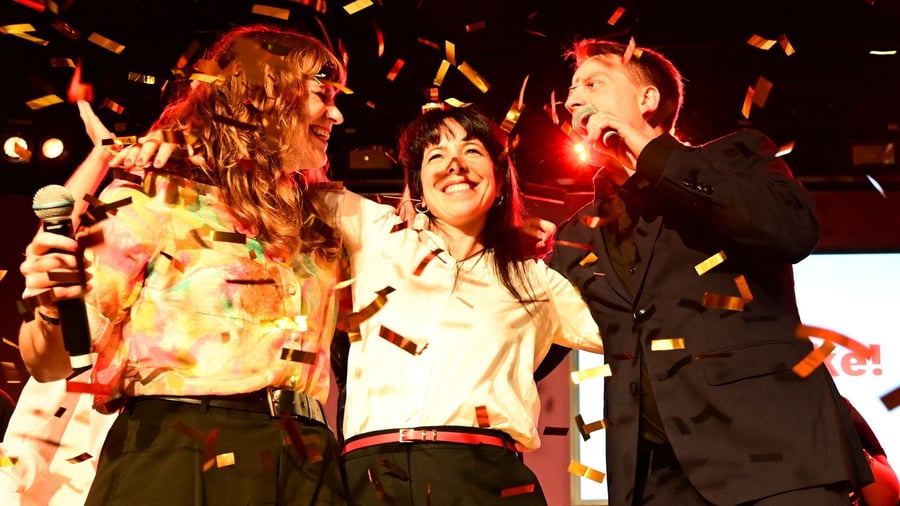
The Berlin State Parliament election results reveal a complex political landscape, with the Red-Green-Red alliance (Red-Red-Green) not being a foregone conclusion. The Left party, led by candidate Elif Eralp, secured nearly 25% of the votes, emerging as the strongest force. Eralp expressed her ambition to become Berlin's mayor, aiming to improve the lives of city residents.
To achieve this, she plans to form a coalition with Greens and SPD. However, several obstacles stand in her way. The Left party's stance on seizing major real estate companies for affordable housing rubs some the wrong way. Eralp emphasized the need for "vögte company" in her program, vowing not to back away from this policy. The CDU dismisses the idea as "unpayable populism."
The Greens support the Left on this issue. The SPD's stance remains unclear, as their top candidate, Steffen Krach, dismisses the possibility of seizing entities, stating, "I am very certain that it will not work out." The majority of Berliners oppose such a measure. Antisemitism is another contentious issue in the Left party. Recent controversies, like a rapper performing songs with antisemitic lyrics during an event, have sparked debates about the party's stance on the matter.
Eralp criticized the performance vehemently, stating that such calls for violence are "absolutely unacceptable." The political scenario remains uncertain, with SPD leader Michael Müller noting the structural difficulties of a three-way alliance with the Left party.
Written by urgent.news from Handelsblatt's reporting — not their text. Machine-written — may contain errors; check the original before relying on it.