A new lithium-ion battery breakthrough could lead to cells that deliver more power for longer — they might be useful for everything from EVs to gaming laptops to robots to drones
The next generation of lithium-ion batteries could come with a little graphitic carbon nitride mixed in.
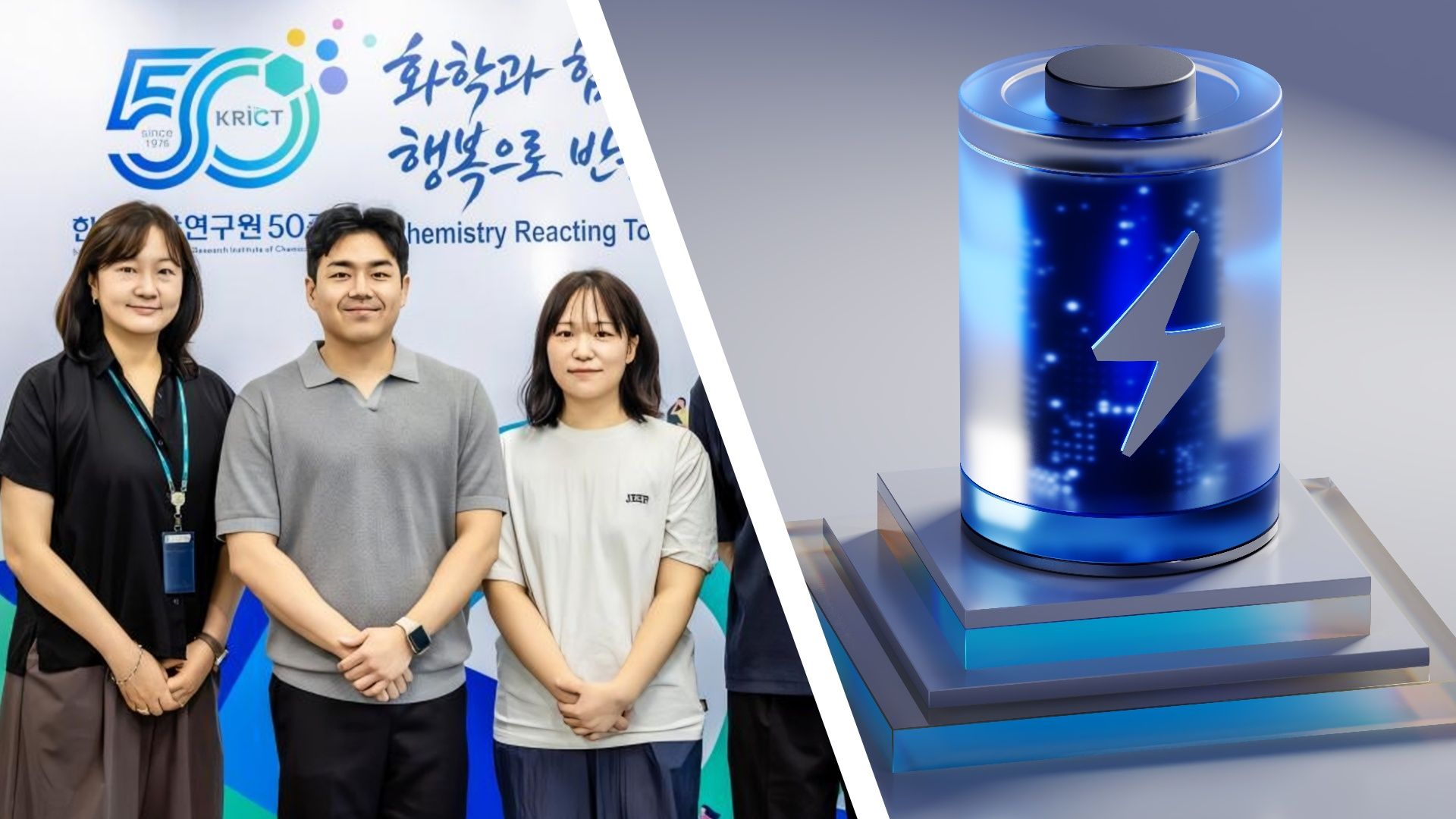
Scientists in Korea have achieved a remarkable breakthrough in battery technology that could lead to power sources capable of delivering more energy for longer periods. This development, reported by The Korea Times, could have wide-ranging implications for various electronic devices, from electric vehicles and gaming laptops to robots and drones.
The Korea Research Institute of Chemical Technology (KRICT) team has discovered a method of enhancing lithium-ion battery performance by incorporating a small amount of graphitic carbon nitride into the cathode material. During the charging process, lithium ions flow from the cathode through an electrolyte to the anode. To increase energy storage capacity without compromising the battery's physical size and weight, researchers sought to thicken the cathode.
However, this creates a challenge: thicker cathodes can hinder lithium ion movement, reducing the battery's overall efficiency.
The innovation involves the addition of graphitic carbon nitride to the cathode, which has resulted in a 166% increase in capacity during high-rate discharge and up to 2.85 times higher power density. These improvements indicate that the batteries could deliver more power under heavy loads and for extended periods, making them particularly useful for high-performance applications.
In practical terms, this breakthrough could enable electric vehicles to accelerate more rapidly and maintain high performance for longer distances without a significant impact on range. For energy storage systems, it would allow devices, such as home batteries, to retain their capacity even when used with appliances that require rapid energy consumption, like washing machines.
Similarly, drones and laptops, particularly those used for intensive tasks, could benefit from batteries that handle power flow more efficiently, thereby enhancing their performance.
While the current research focuses on the effectiveness of this approach in enhancing battery capacity, the researchers are optimistic about the potential to scale up the technology for broader applications. KRICT President Shin Seok-min emphasized that this method could be applicable to a wide range of devices, particularly those that can accommodate larger batteries, such as electric vehicles, energy storage systems, and robotics.
Written by urgent.news from TechRadar's reporting — not their text. Machine-written — may contain errors; check the original before relying on it.