A Cutting-Edge English Initiative Replaces Lawnmowers With Scythes to Restore Wildflowers and Save the Bees
English Heritage has recruited volunteers to mow meadows the old-fashioned way at some of its historic sites
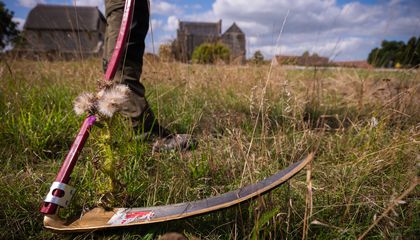
Volunteers are returning to a traditional English method of cutting grass to help restore wildflower meadows and protect the endangered shrill carder bumblebee. English Heritage has launched a three-year project in Somerset, where volunteers replace modern lawnmowers with scythes to maintain meadows that are home to the rare bee species.
Ed McGregor, site manager for English Heritage, warns that lawnmowers can harm the bees, while the Bumblebee Conservation Trust highlights the shrill carder bumblebee's vulnerability. The meadow at Muchelney Abbey is the first site for the volunteers, who are trained by the Exmoor National Park Authority.
The scythe, an ancient agricultural tool, is swung by standing scythers from left to right. Though physically demanding, it offers a connection with the landscape and a satisfying rhythm. Volunteers will also conduct wildlife surveys, recording bee populations, blooming flowers, plant preferences, and flight distances.
Historically popular as a more efficient alternative to sickles, scythes were eventually replaced by mechanized combines. But with their return, the volunteers are experiencing the satisfaction of blending heritage skills with modern conservation efforts.
Written by urgent.news from Smithsonian's reporting — not their text. Machine-written — may contain errors; check the original before relying on it.