$6 trillion a year in unpaid labor isn’t counted in GDP. Its absence from official stats distorts how we see growth, living standards and productivity
A new GAO report puts a price tag on unpaid household labor and shows why family income can look better on paper than it feels in real life
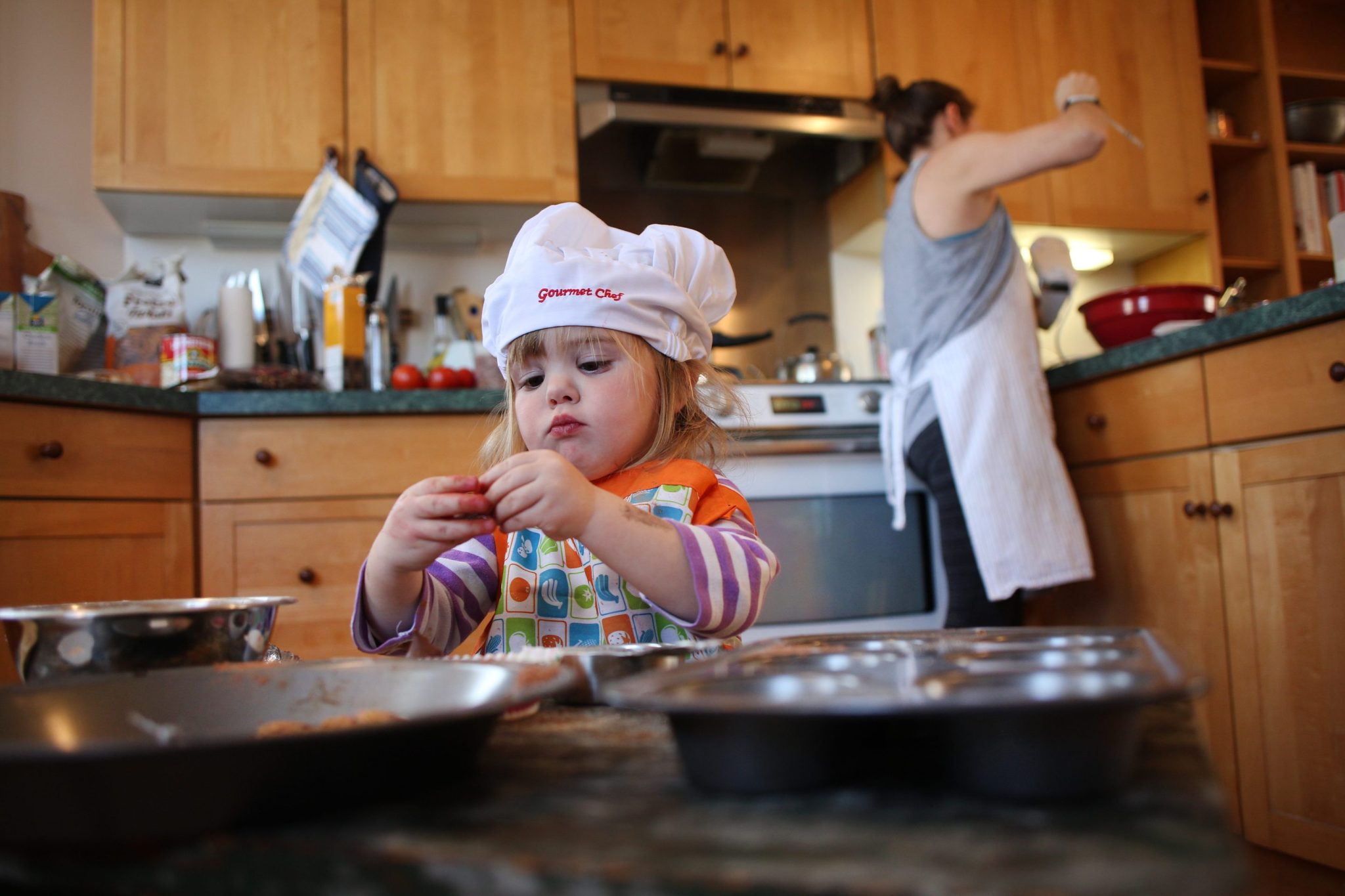
In the United States, millions of workers continue their daily tasks long after leaving their jobs, with chores and responsibilities that keep households running. Despite the importance of this labor, it is not reflected in the country's Gross Domestic Product (GDP) figures because no financial transactions occur during these activities.
According to a recent Government Accountability Office (GAO) report, the value of this unpaid labor could be as high as $6 trillion annually, or roughly one-fifth of GDP. Over 87% of Americans aged 15 and above engage in unpaid household tasks each day, dedicating an average of 3.72 hours to these responsibilities. Economists argue that the absence of this labor from official statistics distorts the perception of economic growth, living standards, and productivity.
Misty Heggeness, an associate professor of economics at the University of Kansas, emphasized that without these activities, the formal economy would struggle to function. When women gained access to higher education and well-paying jobs during the 1960s, GDP recorded the benefits of their workforce participation, while the corresponding reduction in household labor was not accounted for, inflating the economy's growth rate artificially.
Over the period from 1965 to 2020, conventional GDP grew by an average of 6.3% per year, while a measure that included household labor found the average growth to be 6.1%. This discrepancy in historical data highlights the impact of unpaid household labor on the economy's performance. Despite more women entering the workforce, they continue to bear the majority of household responsibilities, particularly in child care and domestic tasks.
This unequal distribution of labor has led to higher levels of burnout among women in the workforce, with 48% reporting job burnout compared to 36% of men. Economists argue that recognizing unpaid labor in economic terms is crucial for creating a more balanced and equitable society. Valuing these activities in terms of productivity would broaden the concept of efficiency beyond the confines of paid work, acknowledging the significant contributions of caregiving and household management to the overall well-being of individuals and communities.
Written by urgent.news from Fortune's reporting — not their text. Machine-written — may contain errors; check the original before relying on it.