Young entrepreneurs build local market for local coffee
Young entrepreneurs in South Kivu are building a domestic market for Congolese coffee by processing beans locally, strengthening their brands and encouraging consumers to buy locally. Their businesses are creating opportunities for young people and women while reducing reliance on export markets.
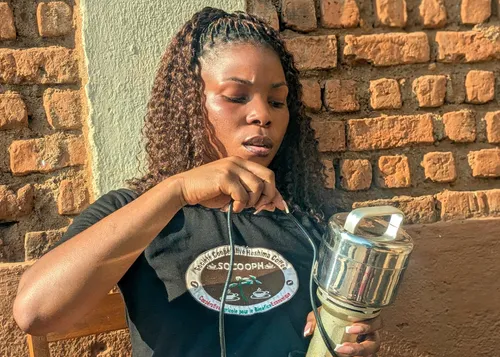
Young entrepreneurs in Bukavu, the capital of South Kivu province in the Democratic Republic of the Congo, are building a local market for coffee. The Akonkwa Mountain Coffee company, founded in 2024, processes coffee grown by over 1,500 local farmers and sells it to supermarkets, cafés, hotels, and independent shops in Bukavu and nearby cities like Goma and Kinshasa.
Yvonne Rusimane, the company's sales and marketing officer, applies her economics degree to support the company's economic activities. She ensures customer needs are met and products are available at various points of sale.
Akonkwa Mulihano Joseph, the founder, believes shortening the distance between producer and consumer is key to building the domestic market. His company employs 10 young people, six women and four men, and focuses on three goals: helping farmers reach markets, improving coffee quality, and encouraging more Congolese people to drink locally grown coffee.
South Kivu, one of the DRC's principal Arabica-producing regions, has traditionally exported most of its coffee, leaving producers highly dependent on political conditions, traders, roasters, and international prices. A 2025 study found that most coffee was exported, leaving producers highly dependent on external factors. However, local processing and consumption can help retain more value and reduce that exposure.
Local coffee shop owner Papy Ayigirhwe began stocking Akonkwa's products to support a business run by young people. Initially, most customers ordering local coffee were foreigners, but as more Bukavu residents tasted it, they appreciated its quality and affordability. Ayigirhwe believes that once customers try local coffee, they will not want to drink another brand.
Competition with imported products requires more than patriotic appeals. Akonkwa Coffee trains farmers to harvest only ripe cherries, ensuring high-quality coffee. At the processing stage, workers sort beans, roast, grind, and package the coffee locally for retail markets, and meet documentation and quality requirements for exports.
The emphasis on quality reflects a growing demand among Congolese coffee drinkers for taste and the drinking experience, according to recent research. Roasting, consistency, attractive packaging, and reliable supply are central to the domestic-market strategy. This opportunity extends beyond Akonkwa Mountain Coffee, with Heshima Coffee in Kalehe territory using a co-operative model to connect farming, processing, and retail stages.
Written by urgent.news from IOL's reporting — not their text. Machine-written — may contain errors; check the original before relying on it.