Why do people protest? Six decades of research points to social connections over personal grievances
A comprehensive review of 60 years of research reveals that people who participate in protests are driven more by social connections and political interest than by personal grievances, anger, or mistrust of the government.
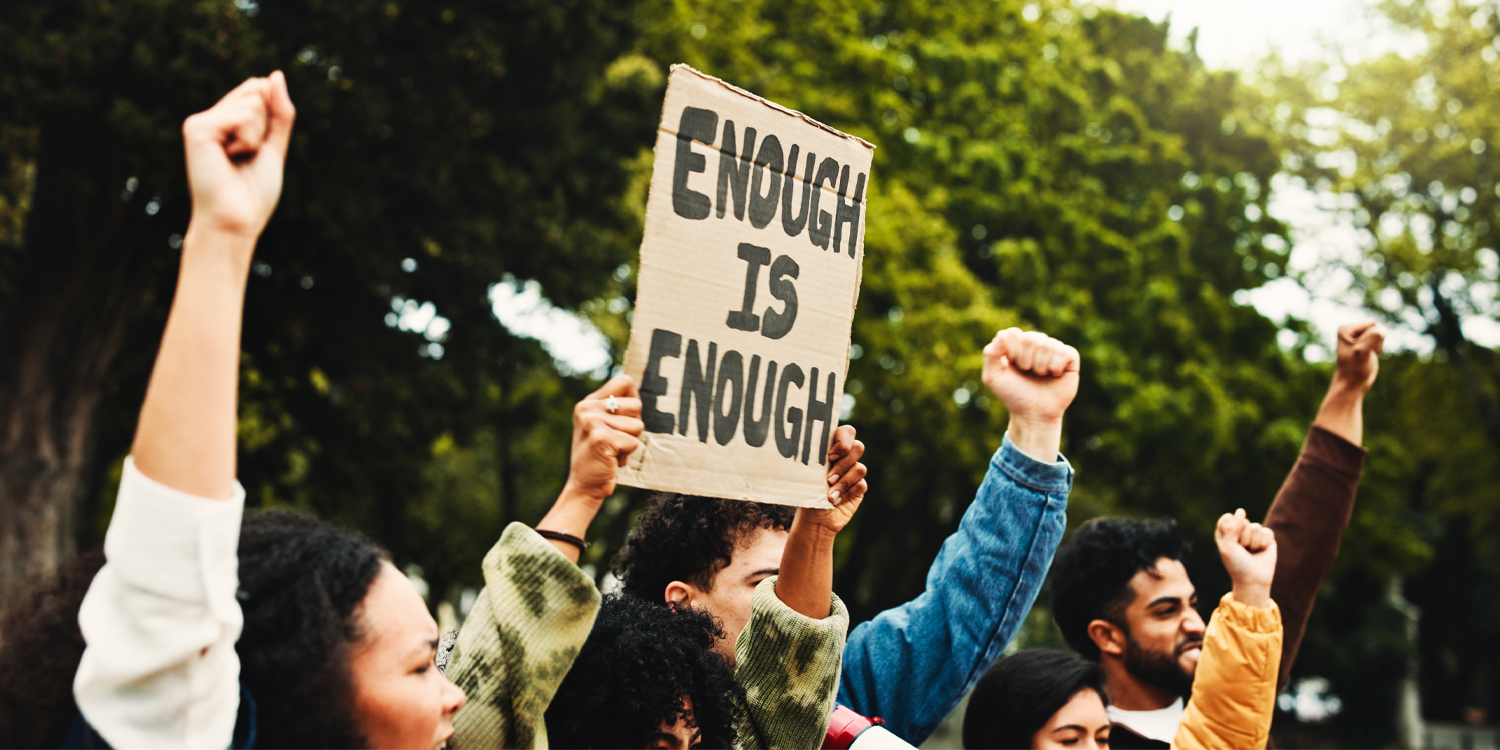
A comprehensive analysis of six decades of research on protest participation has revealed that social connections and political interest are the primary motivators for people to engage in protests, rather than personal grievances or distrust of the government. The study, published in Science Advances, emphasizes the importance of organizational memberships and digital media use in translating sentiments to physical action at marches and demonstrations.
The researchers, Shelley Boulianne and Jennifer Earl, aimed to identify factors that distinguish individuals who participate in protests from those who remain passive, focusing specifically on physical marches and demonstrations. The findings highlight a persistent puzzle in the field of micromobilization, which investigates the individual decision to engage in collective action.
Understanding what drives people to leave their homes for demonstrations remains a key focus in sociology and political science, as it sheds light on the process of moving from passive agreement to active political engagement.
Brief written by urgent.news from PsyPost's own syndicated text. Machine-written — may contain errors; check the original before relying on it.